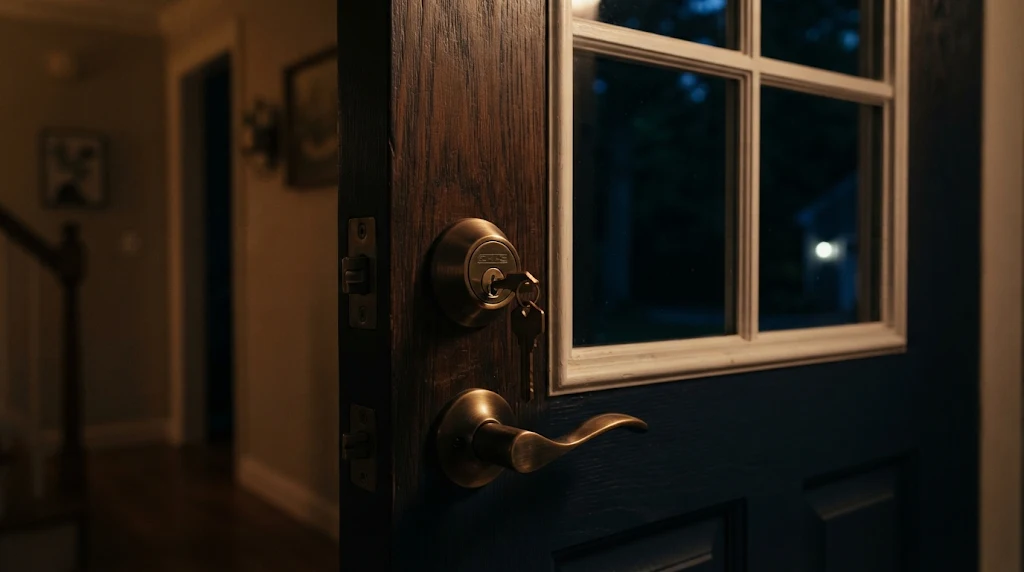
What Is the Hardest Lock to Break Into? Learn about high-security locks, UL 437 ratings, advanced deadbolts, and ways to protect your home. High-security locks with UL 437 certification, strong physical construction, restricted key systems, and advanced internal designs are among the hardest locks to break into.
However, the door, frame, strike plate, and installation also determine how secure the complete entry point will be.
For homeowners across the United States, choosing a strong door lock is one of the most practical ways to improve home security. Whether you live in a house in Texas, an apartment in New York, or a suburban home in California, your front door needs more than a basic lock. It needs hardware that can resist common forms of forced and unauthorized entry.
High-security mechanical locks, such as certain Medeco, Mul-T-Lock, and ASSA systems, use advanced key control and carefully designed internal components. Some models have independent security certifications that help buyers compare their tested performance. These features make them stronger choices than ordinary entry-level locks.
However, there is no single lock that is impossible to defeat. A strong lock installed in a weak door can still leave a home exposed. The best approach is to select a properly rated lock and pair it with a solid door, a reinforced frame, suitable hardware, and professional installation.
What Is the Hardest Lock to Break Into?
What Is the Hardest Lock to Break IntoWhat Is the Hardest Lock to Break Into
A high-security mechanical lock cylinder that meets UL 437 requirements is one of the strongest options to consider when choosing a lock for resistance to physical and unauthorized entry. These locks are designed and evaluated against demanding security requirements. Their construction may include advanced internal mechanisms, controlled key systems, and features intended to improve resistance to different forms of attack.
Medeco 4 is one example of a modern high-security mechanical system. Its manufacturer describes features that include patented key control, advanced internal components, and protection against unauthorized key duplication.
The manufacturer also identifies UL 437 and ANSI/BHMA high-security performance criteria for its products. Buyers should check the certification and specifications of the exact model rather than assume every product from a brand has the same rating.
Mul-T-Lock and ASSA also make high-security mechanical systems. Their product ranges include restricted key systems and advanced cylinder designs. The strongest choice depends on the door hardware, required certification, key management needs, and the level of protection expected.
What Is the Hardest Lock to Break Into?
What Is the Hardest Lock to Break Into
Source: calgaryrekeylockworks.com
UL 437 certification
This is an important standard to check when evaluating high-security key locks and cylinders. It covers relevant lock categories, including door locks and locking cylinders.
Advanced cylinder construction
Some high-security cylinders use specialized internal components to improve resistance to unauthorized manipulation and physical attacks.
Restricted key control
Controlled key systems make unauthorized duplication more difficult and help owners manage who can obtain additional keys.
Complete door protection
The lock should work with a strong door, frame, strike plate, and suitable installation.
Why Is UL 437 Important?
UL 437 is a safety and security standard for key locks. It covers several categories, including door locks, locking cylinders, cabinet locking cylinders, and certain security container locks. Its purpose is to establish requirements for evaluating the relevant products.
A UL 437 listing gives buyers a more useful basis for comparison than a manufacturer’s claim that a lock is simply strong or difficult to pick. It does not mean that a lock cannot be defeated. It means the listed product has been evaluated against the applicable requirements of the standard.
When comparing products, check the exact model and its certification details. A manufacturer may offer several lock families with different levels of protection.
Check the exact model
Confirm that the specific cylinder or lock you plan to buy is listed, rather than relying on a general brand statement.
Review the intended use
Make sure the lock is designed for the type of door and application where you intend to install it.
Does the Most Expensive Lock Offer the Best Protection?
Not always. A premium lock may offer advanced key control and stronger internal components, but its value depends on the entire entry system. Spending more on a cylinder while leaving a weak door frame unchanged may produce a poor security result.
A well-rated deadbolt, a reinforced frame, and correct installation can offer better practical protection than an expensive lock fitted to unsuitable hardware. Buyers should compare documented performance, compatibility, and installation needs before paying for premium features.
The Most Secure Types of Locks to Consider
Different lock designs provide different forms of protection. A high-security cylinder focuses on controlling access and resisting unauthorized entry, while a deadbolt provides a stronger locking point for many residential doors. A commercial mortise lock may offer a different combination of strength, durability, and access control.
The best choice depends on where the lock will be used. A front entrance, apartment door, storage room, and commercial building may have very different security needs. The following options are useful starting points for comparing high-security hardware.
What Is the Hardest Lock to Break Into?
What Is the Hardest Lock to Break Into
Source: cronolock.ca
High-security mechanical cylinders
These systems can combine specialized internal mechanisms, controlled key duplication, and documented resistance testing. They are suitable for applications that require strong mechanical key control.
ANSI/BHMA Grade 1 deadbolts
Grade 1 hardware meets the highest performance grade within the relevant ANSI/BHMA grading system. Confirm the exact standard and product certification before buying.
Commercial mortise locks
These locks are designed for commercial door applications and can provide strong, durable hardware when properly selected and installed.
High-security padlocks
A suitable high-security padlock can protect gates, storage areas, and other compatible applications. The shackle, body, mounting point, and surrounding structure all matter.
These systems can provide access records, user permissions, and remote management. Their security also depends on software, account protection, power, and physical construction.
High-Security Mechanical Locks
High-security mechanical locks are designed to provide more than basic key operation. Depending on the model, they may use specialized pin arrangements, sidebars, restricted keyways, and hardened components. These features can make unauthorized access and key duplication more difficult.
Medeco is a well-known example in this category. Its Medeco 4 system combines patented key control with advanced mechanical features. Its product documentation describes compliance with relevant UL and ANSI/BHMA high-security criteria.
These locks are particularly useful for homeowners and businesses that want strong mechanical security without depending on batteries, wireless connections, or mobile applications. Their main trade-off is that specialized keys and cylinders may require a qualified dealer or locksmith for service.
Best application
Residential and commercial entrances where controlled mechanical key access is important.
Main advantage
Advanced cylinder design and stronger control over unauthorized key duplication.
Main limitation
The security benefits depend on the exact model, correct installation, and management of authorized keys.
What Is the Hardest Lock to Break Into?
Grade 1 Deadbolts
A Grade 1 deadboltis a useful option for a residential or commercial entrance when the product meets the appropriate ANSI/BHMA requirements. Grade 1 represents the highest performance grade in the relevant grading system. It is a useful starting point when comparing lock hardware.
The deadbolt should fit the door and work with a suitable strike plate and frame. A strong bolt does not provide its full value if the surrounding wood or mounting hardware is weak. Professional installation can help ensure that the lock operates correctly.
Buyers should also check whether the product is intended for residential use and whether its certification applies to the complete lock or a particular component.
Suitable for
Main exterior doors and other entrances that need a durable mechanical locking system.
Look for
Verified Grade 1 performance, suitable construction, and compatibility with the existing door.
Commercial Mortise Locks
Mortise locks are fitted into a pocket in the edge of a door. They are common in commercial buildings, offices, and some apartment properties. Their construction can provide a durable locking solution for doors that receive frequent use.
ANSI/BHMA A156.13 establishes performance requirements for mortise locks and latches. These include operational, cycle, strength, material evaluation, security, and dimensional criteria. A buyer should review the product’s actual grade and certification instead of assuming that every mortise lock has the same performance.
Mortise locks may be more complex to replace than common residential deadbolts. A locksmith should confirm compatibility with the door and existing hardware before installation.
Main benefit
Durable hardware for suitable commercial and high-use applications.
Important consideration
The door preparation and lock body must match the selected product.
Three High-Security Lock Brands Worth Comparing
Medeco, Mul-T-Lock, and ASSA are three established names in the high-security mechanical lock market. Their products are designed for applications where key control and resistance to unauthorized access matter. However, no brand should be treated as the automatic winner in every situation.
A useful comparison starts with the exact cylinder model, its documented certifications, the door hardware it fits, and the key management system offered by the supplier. Buyers should also consider the availability of replacement keys and future maintenance.
Offers specialized high-security cylinder and key systems for residential and commercial applications. Check the certification and features of the exact product.
Offers high-security mechanical cylinders and restricted key systems for facilities that require controlled access.
What Is the Hardest Lock to Break Into?
Medeco High-Security Locks
Medeco is a strong option to investigate when key control and mechanical security are priorities. The Medeco 4 system uses patented key technology and advanced internal features. The company identifies its high-security systems with relevant UL 437 and ANSI/BHMA performance criteria.
Medeco also offers different product formats for different door applications. This gives buyers and locksmiths options when replacing a cylinder or selecting a complete locking system. The exact product must still match the existing hardware.
One practical advantage is controlled key duplication. This can help property owners manage who receives additional keys. It is especially useful in rental properties, offices, and buildings with several authorized users.
Consider it for
Entrances that need high-security mechanical cylinders and controlled key distribution.
Check before buying
Confirm the UL listing, cylinder format, key control policy, and compatibility with the door.
Mul-T-Lock High-Security Locks
Mul-T-Lock is another manufacturer worth comparing for advanced mechanical security. Its high-security product families include specialized cylinder designs and controlled key systems. These products can suit residential, commercial, and institutional applications.
The key system is an important part of the decision. Property owners should understand how replacement keys are authorized, which dealers can supply them, and how the system will be managed when staff or tenants change.
Rather than choosing a product based on a general claim of superior pick resistance, ask the supplier for the exact certification and independent test information for the model under consideration.
Main advantage
A range of specialized mechanical security and key management solutions.
Main consideration
Model-level certification and access to authorized key services.
ASSA High-Security Locks
ASSA provides high-security cylinder systems for applications that require controlled key access. These products can be useful in offices, commercial properties, and facilities with several levels of authorized access.
A managed key system can reduce the risk of uncontrolled key duplication. It can also make it easier for an organization to manage changes in staff or building access. However, the value depends on clear key policies and reliable administration.
When comparing ASSA with other high-security brands, review the exact cylinder, available certifications, hardware compatibility, and support from an authorized locksmith.
Best application
Buildings that need managed mechanical key access across multiple users or entrances.
Important factor
A reliable key management process is just as important as the cylinder itself.
What Makes a Lock Difficult to Break Into?
A lock becomes more resistant to unauthorized entry when its design addresses several different security risks. Strong materials alone are not enough. The internal mechanism, key control, physical construction, and connection to the door all influence the result.
It is useful to understand these features when comparing products. A lock that performs well against one type of attack may not provide equal protection against every other threat. This is why independent testing and complete door security matter.
What Is the Hardest Lock to Break Into?
Source: getbellhops.com
Internal security design
Specialized cylinder mechanisms can improve resistance to unauthorized manipulation.
Physical strength
Suitable materials and reinforced components can improve resistance to physical damage.
Key control
Restricted key systems help control who can obtain additional working keys.
Documented testing
Independent standards provide a better basis for comparison than unsupported marketing claims.
Correct installation
The lock must be fitted correctly to a suitable door and frame to deliver its intended performance.
Resistance to Unauthorized Key Manipulation
A standard lock may provide basic protection, but a high-security cylinder can use more complex internal components to make unauthorized manipulation more difficult. Some designs use additional locking elements or specialized key features.
This is one reason high-security cylinders are useful for properties that need stronger access control. However, buyers should not rely on vague statements such as impossible to pick. Ask for documented performance and applicable certification.
What Is the Hardest Lock to Break Into?
Resistance to Physical Damage
A strong lock should be designed to withstand the physical demands expected in its intended application. Hardened components and suitable construction can improve resistance to damage. The exact level of protection depends on the product and its tested performance.
The surrounding door hardware also matters. A strong cylinder cannot compensate for a weak door edge, damaged frame, or unsuitable mounting points. The complete entry system should be inspected before upgrading.
Protection Against Unauthorized Key Duplication
Key duplication is an often overlooked part of home security. A lock may have a strong internal design, but uncontrolled copies can still allow unwanted access. Restricted key systems help property owners manage who can request duplicate keys.
These systems often require an authorized dealer or suitable proof of permission before additional keys are supplied. This is useful for rental homes, offices, and properties where several people need access.
Before choosing a restricted key system, ask about replacement costs, dealer availability, authorization rules, and what happens if the original keys are lost.
How to Choose the Hardest Lock to Break Into for Your Home
The best lock for a home is one that matches the door, meets a suitable performance standard, and can be installed correctly. Start by checking the condition of the entrance rather than shopping by brand name alone.
For many homeowners, a properly rated deadbolt combined with a reinforced strike area is a sensible starting point. Those who need stronger mechanical key control can compare high-security cylinders with verified certifications. A qualified locksmith can help determine whether the existing door supports the selected hardware.
What Is the Hardest Lock to Break Into?
What Is the Hardest Lock to Break Into
Step 1: Inspect the existing door
Check the door material, frame condition, lock preparation, and signs of damage. A weak or damaged entry point may need repair before a new lock is installed.
Step 2: Decide your security needs
Consider whether you mainly need stronger physical protection, controlled key duplication, commercial-grade durability, or managed electronic access.
Step 3: Check independent standards
Look for the appropriate UL 437 listing or ANSI/BHMA performance grade. Confirm that the certification applies to the exact model.
Step 4: Confirm compatibility
Check the door thickness, lock format, backset, handing where relevant, and existing hardware requirements.
Step 5: Hire a qualified locksmith
Professional installation helps ensure the lock fits correctly and operates as intended.
Step 6: Review key management
Keep track of who has keys and ask about the process for obtaining authorized replacements.
What Should Homeowners Check Before Buying?
The first task is to identify the type of door and the hardware it can support. Some doors accept standard residential deadbolts, while others need a different lock format. Buying an incompatible product can lead to poor operation or an incomplete installation.
Next, check the certification. A product description may use words such as heavy-duty, maximum security, or professional grade without explaining its tested performance. Look for specific standards and model information.
Finally, ask about long-term support. High-security systems may depend on authorized dealers for keys, replacement cylinders, and service. This matters when a household changes or a property is rented.
What Is the Hardest Lock to Break Into?
Door compatibility
Confirm that the selected lock is designed for the door’s thickness and preparation.
Certification
Check the applicable standard and exact model details.
Replacement support
Make sure authorized keys and service are available when needed.
When Should You Call a Locksmith?
Call a qualified locksmith when the existing lock is damaged, the door does not close correctly, or the new hardware requires changes to the door. A professional can assess the door and frame and recommend compatible hardware.
A locksmith is also useful when you need a restricted key system for a rental property or business. They can explain how authorization works and help establish a clear key management process.
If a door has suffered forced entry, arrange a full inspection before relying on the existing lock again. The damage may extend beyond the visible lock components.
Why the Door and Frame Matter as Much as the Lock
A high-security lock is only one part of a secure entrance. The door, frame, hinges, strike plate, and mounting hardware work together. If one part is weak, it can reduce the value of the entire system.
For example, a premium deadbolt installed in a damaged frame may not provide the protection its manufacturer intended. This is why a complete inspection is more useful than replacing the lock alone.
Homeowners should focus on a strong, properly fitted exterior door and suitable hardware. The frame should be in good condition, and the locking components should align and operate without force.
What Is the Hardest Lock to Break Into?
What Is the Hardest Lock to Break Into
Source: alliediron.com
Solid door construction
Choose anexterior door designed for the security and environmental demands of its location.
Reinforced strike area
Use suitable strike hardware and secure mounting that is compatible with the door frame.
Sound frame
Repair damaged or deteriorated sections before relying on a new lock.
Proper hinge condition
Make sure hinges and their fasteners are suitable for the door and remain in good condition.
Correct alignment
The bolt should move smoothly into its intended position without forcing the handle or key.
Why a Strong Deadbolt Is Not Enough?
A deadbolt improves the locking function of an entry door, but it does not make every part of the entrance equally strong. The frame and mounting points must also support the locking hardware.
This is especially important for older homes. Years of use, moisture, and previous repairs can weaken doors and frames. A locksmith or qualified door contractor can identify problems that are not obvious during a quick visual check.
The most practical upgrade may involve repairing the frame and fitting suitable hardware rather than buying a more expensive lock.
What Is the Hardest Lock to Break Into?
How Often Should You Inspect Your Door Locks?
Inspect exterior locks and doors periodically and whenever the door becomes difficult to operate. Check for loose hardware, visible damage, unusual movement, and changes in how the door closes.
Follow the manufacturer’s care instructions. Avoid forcing a key or applying random oils and chemicals to the cylinder. If the lock becomes stiff or unreliable, ask a locksmith to identify the cause.
High-Security Mechanical Locks vs. Smart Locks
A high-security mechanical lock and a smart lock solve related but different security problems. Mechanical systems focus on physical key access and cylinder security. Smart locks add electronic access methods, such as codes, mobile applications, or connected devices.
Neither type is automatically more secure in every situation. A well-designed smart lock can offer useful access controls, but its digital features create additional responsibilities. A mechanical high-security lock avoids many software and account risks but still needs good physical installation.
The right choice depends on whether the owner values controlled physical keys, convenient access management, remote features, or a combination of these needs.
Useful for code-based entry, temporary access, and certain remote management features.
Hybrid systems
Some products combine electronic access with a physical key cylinder, offering more than one entry method.
Are Smart Locks Harder to Break Into?
Some smart locks provide strong physical hardware and useful digital access controls. However, the presence of an app or keypad does not prove that a lock has better physical security than a high-security mechanical cylinder.
Buyers should review the physical lock specifications, electronic security documentation, update support, account protection, and backup access methods. They should also consider what happens during a power failure or communication problem.
A smart lock should not be selected based only on its ability to connect to a phone. Security depends on the complete product and how it is configured.
Can a Smart Lock Replace a High-Security Deadbolt?
A smart lock can replace a conventional deadbolt when the product is compatible with the door and meets the owner’s security needs. However, it should not be assumed to offer the same certification or physical protection as a high-security mechanical lock.
Check whether the model has independently documented physical security performance. Also review its software update policy, user permissions, emergency access, and manufacturer support.
Common Mistakes When Choosing a High-Security Lock
A costly lock does not guarantee a secure entrance. Many buying mistakes happen because shoppers focus on brand reputation or attractive product claims instead of checking the complete security system.
The following mistakes can reduce the value of an otherwise suitable lock. Avoiding them helps homeowners make a more informed decision.
What Is the Hardest Lock to Break Into?
What Is the Hardest Lock to Break Into
Source: calgaryrekeylockworks.com
Choosing by price alone
A higher price does not automatically prove better security. Compare model-level certifications and specifications.
Ignoring the door frame
A weak frame can undermine the benefits of a strong lock. Inspect the complete entry point.
Assuming every model has the same rating
A brand may sell several product families. Confirm the exact model and applicable standard.
Overlooking key control
A strong cylinder provides limited access control if extra keys are easy to obtain without authorization.
Installing incompatible hardware
A lock that does not fit the door correctly may operate poorly and fail to deliver its intended performance.
Believing a lock is completely unbreakable
No residential lock can guarantee protection against every form of entry. Use several suitable security measures.
Why Marketing Claims Can Be Misleading
Terms such as maximum security, unbreakable, and pick-proof can sound impressive. However, they do not replace an independent certification or a clear technical specification.
A useful product description should identify the applicable standard, tested product, and intended application. If the seller cannot provide this information, consider another product or ask an authorized supplier for documentation.
Do not treat a manufacturer’s general product statement as proof that every model has the same security performance.
Why Professional Installation Matters
Even a well-rated lock can perform poorly if it is installed incorrectly. Problems may include poor alignment, unsuitable mounting hardware, or an incompatible door preparation.
A qualified locksmith can inspect the entrance and confirm that the selected hardware fits. This is particularly useful for high-security systems that need specialized cylinders or controlled key services.
How Much Should You Invest in a Secure Door Lock?
The right budget depends on the door, the required level of security, and the type of access control you need. A basic residential deadbolt may be suitable for some doors, while a property with higher security needs may benefit from a certified high-security cylinder and professional installation.
Instead of spending the entire budget on the lock itself, divide the available amount across the complete entrance. Consider the lock, compatible hardware, door and frame condition, installation, and future key management.
Prices can vary widely by model, finish, cylinder format, dealer, and labor costs. Obtain a current written quote from a qualified locksmith before making a purchase.
What Is the Hardest Lock to Break Into?
Entry-level security upgrade
Focus on a suitable residential deadbolt and correcting basic door or frame problems.
Higher-security residential upgrade
Compare independently documented deadbolts and high-security cylinders with suitable key control.
Advanced access control
Consider a managed key system or an appropriate electronic system when multiple users and access permissions must be controlled.
What Affects the Total Installation Cost?
The type of lock is only one part of the total cost. A straightforward replacement may require less work than a new installation that needs changes to the door or frame.
High-security key systems can also have different key cutting and replacement policies. These ongoing costs should be included when comparing products.
Ask the locksmith to separate the hardware price, installation labor, any door repairs, and additional key costs. This makes it easier to compare quotes.
Hardware
The lock body, cylinder, deadbolt, strike hardware, and any compatible accessories.
Installation
Labor required to fit and adjust the lock correctly.
Door repairs
Any work needed to make the door or frame suitable for the new hardware.
Key management
Costs for additional authorized keys, replacement keys, and future service.
Frequently Asked Questions: What Is the Hardest Lock to Break Into?
Q
What Is the Hardest Lock to Break Into?
High-security mechanical locks with UL 437 certification are among the strongest options to consider. Products from manufacturers such as Medeco, Mul-T-Lock, and ASSA offer advanced cylinder designs and key control features. The exact model and its installation determine the protection it provides.
Q
Is Medeco the Hardest Lock to Pick?
Medeco makes high-security mechanical locks designed to resist unauthorized access. Its Medeco 4 system includes advanced internal features and patented key control. However, it is not possible to establish one universal hardest lock because performance depends on the exact model, test conditions, and type of attack.
Q
Are UL 437 Locks Better Than Regular Deadbolts?
UL 437 is a relevant standard for evaluating key locks and locking cylinders. A certified high-security cylinder may offer additional protection compared with an ordinary cylinder. However, residential deadbolts should also be evaluated under the appropriate ANSI/BHMA standard. These standards address different product categories, so they should not be treated as interchangeable.
Q
Can Any Lock Be Completely Impossible to Break Into?
No. No residential lock can guarantee complete protection against every form of physical or unauthorized entry. Even a high-security lock can be affected by weaknesses in the door, frame, surrounding structure, or installation. A layered security approach provides more practical protection.
Q
What Is Better for Home Security: A Deadbolt or a Smart Lock?
A properly rated deadbolt offers mechanical locking protection, while a smart lock adds electronic access features. Neither is automatically better in every situation. Compare physical security, certification, digital security, backup access, and compatibility before choosing.
Q
Are Grade 1 Locks the Most Secure Residential Locks?
Grade 1 is the highest performance grade in the relevant ANSI/BHMA grading systems. It is a useful benchmark when comparing suitable hardware. However, buyers should check the specific standard and product type because a Grade 1 rating does not mean every lock offers identical security.
Q
Does a High-Security Lock Prevent Lock Picking?
High-security locks are designed to improve resistance to unauthorized manipulation, but no lock should be considered completely immune to every method of attack. Look for independently documented testing and a model-specific certification rather than relying on claims that a product is pick-proof.
Q
Should I Replace My Door Frame When Installing a High-Security Lock?
Not always. If the existing frame is sound and compatible with the selected hardware, replacement may not be necessary. However, damaged or weak frames should be assessed and repaired before relying on a new lock. A qualified locksmith or door contractor can inspect the entrance.
✦ Wrapping Up
Conclusion
The hardest locks to break into are generally found in the high-security category, especially models with independent testing, strong physical construction, advanced cylinder designs, and controlled key systems. UL 437 certification is an important feature to investigate when comparing high-security key locks. Medeco, Mul-T-Lock, and ASSA are useful brands to research, but the exact product matters more than the name alone.
For most homeowners in the United States, the best security decision is to combine a suitable deadbolt with a strong door, a sound frame, and correctly installed hardware. Homeowners who need stronger control over physical keys can consider a certified high-security mechanical cylinder. Those who need remote access may also compare suitable smart locks, while reviewing their digital security and backup access options.
The key lesson is simple: do not judge a door lock by price, appearance, or marketing claims alone. Check its documented performance, confirm compatibility, and consider the complete entry system. A properly selected and professionally installed lock is a more useful investment than an expensive product fitted to a weak door.
💡 Key Takeaway
Before purchasing a new lock, ask a qualified locksmith to inspect your door and recommend a compatible model with verified UL 437 or relevant ANSI/BHMA performance documentation. Prioritize the complete door security system rather than the lock alone.
See How Does Smart Home Tech Work Outside The House? Outdoor cameras, smart locks, garden sensors, and Wi-Fi mesh boost security, savings, convenience.
Find out what smart home gadgets support voice control in 2026, with top picks by Alexa, Google, and Siri, plus tips to choose, set up, and save money.
Learn how to connect Google Home to TV without Chromecast using smart TVs, third-party adapters, and casting apps. Clear steps, pros and cons, and safety tips.