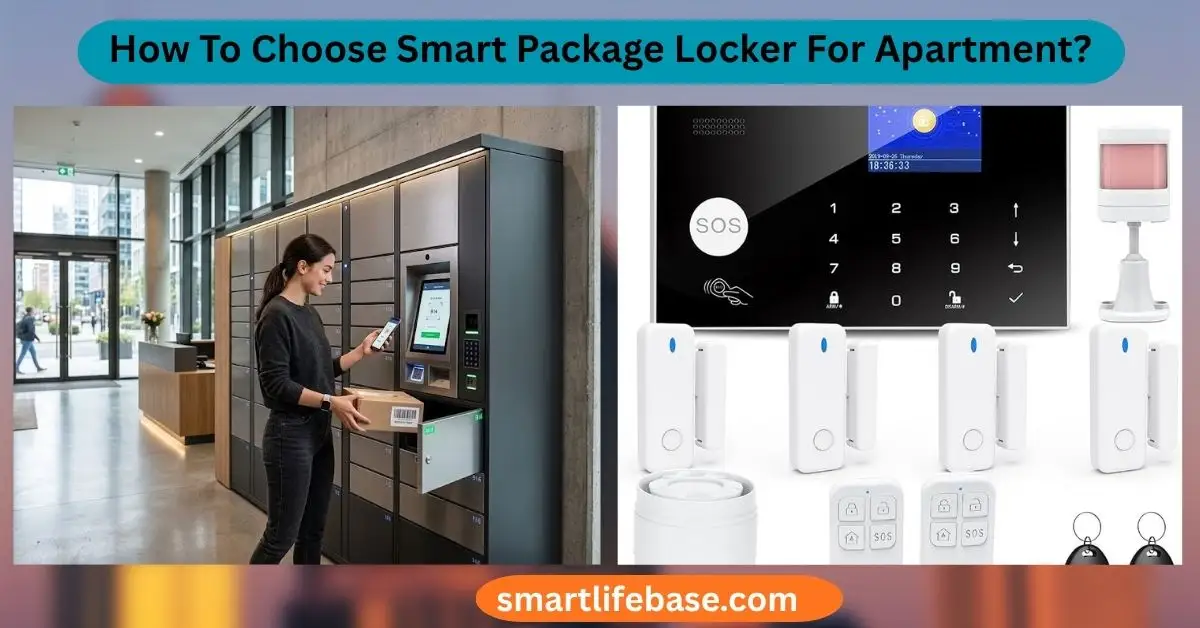
Learn How To Choose Smart Package Locker For Apartment, with tips on security, size, access, installation, and resident convenience. Choose a smart package locker by matching capacity, security, access, installation needs, and total cost to your apartment community.
Package delivery is now part of daily apartment life. Residents order groceries, medicine, clothing, and household goods online. Without a reliable delivery system, packages may sit in lobbies, block office space, or become easy targets for theft.
Knowing how to choose a smart package locker for apartment buildings requires more than comparing locker prices. You need to review delivery volume, locker size, software, accessibility, security, maintenance, and resident needs. This guide explains each factor so property owners, managers, and boards can make a practical and informed choice.
Why Apartment Buildings Need Smart Package Lockers
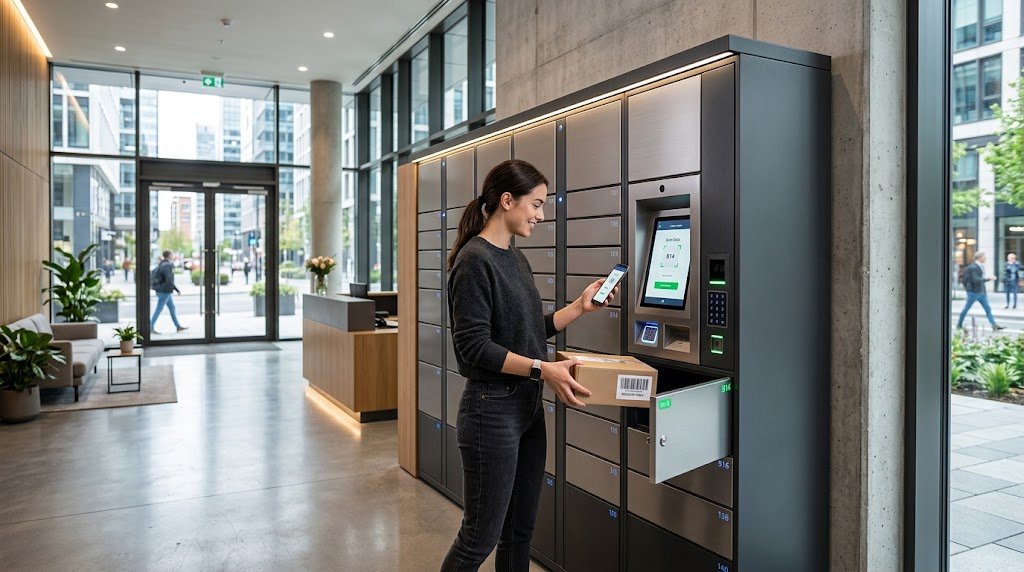
A smart package locker is a secure storage system that holds deliveries until residents collect them. The system usually includes electronic compartments, a touchscreen or mobile app, delivery alerts, and access records.
For many apartment communities, a locker replaces an informal process with a clear system. Couriers place packages inside assigned compartments. Residents receive a code or app notification. They then collect their items when convenient.
When learning how to choose smart package locker for apartment communities, start with the problems you want to solve.
Common delivery problems include:
• Packages left outside apartment doors
• Stolen or missing deliveries
• Crowded leasing offices
• Staff time spent sorting packages
• Residents waiting at home for couriers
• Deliveries placed in the wrong location
• Poor records when a package goes missing
A locker does not remove every delivery challenge. It does, however, create a secure handoff point. It also gives residents more control over when they collect their orders.
For example, a 200-unit building may receive a small number of packages on a quiet weekday but hundreds during the holiday season. A smart locker system can organize that traffic better than a shelf behind the front desk.
Source: alibaba.com
How To Choose Smart Package Locker For Apartment Needs
The best choice depends on the building, not simply on the locker brand. A system that works well in a luxury high-rise may not suit a garden-style community with outdoor access.
Before requesting quotes, write down the building’s delivery patterns. Include the number of units, average package volume, peak seasons, available space, and staff workflow.
Use these steps to create a clear buying plan:
- Review package volume for at least three months.
- Note the size of common deliveries.
- Identify where couriers currently leave packages.
- Measure indoor and outdoor installation areas.
- Ask residents how they prefer to receive alerts.
- Set a realistic budget for equipment and service.
- Compare long-term operating costs, not only the purchase price.
A useful planning rule is to size the system for normal demand while allowing extra room for peak periods. If the lockers remain full, couriers may leave packages elsewhere. If the system is far too large, the community may pay for unused capacity.
Property managers should also involve delivery staff and maintenance teams early. They often notice practical problems that look invisible on a floor plan.

Source: amazon.ae
Assess Locker Capacity and Compartment Sizes
Capacity is one of the most important factors in how to choose smart package locker for apartment properties. A locker system must hold enough deliveries without wasting valuable space.
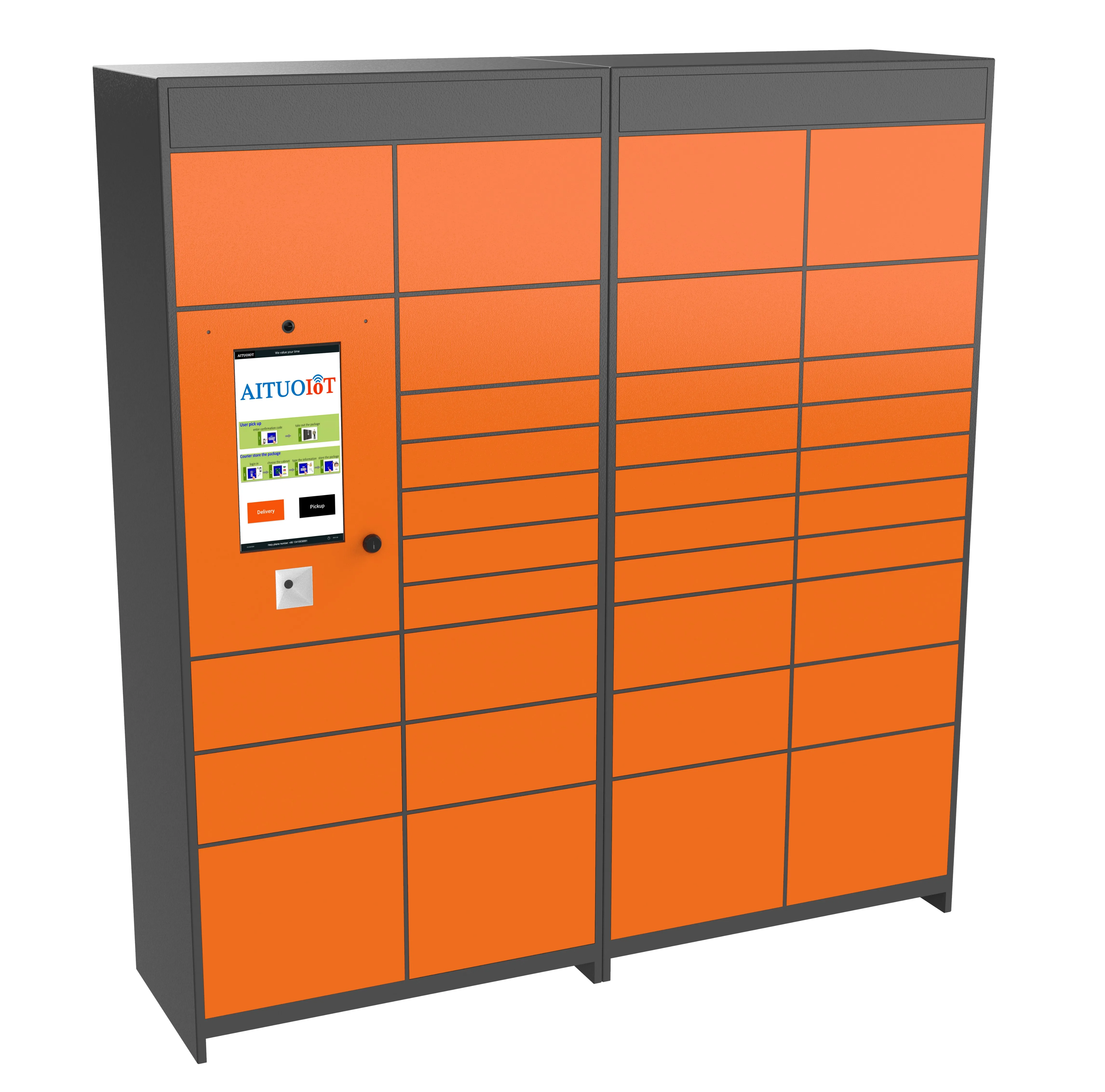
Do not measure capacity only by the number of compartments. A system with 60 small doors may be less useful than one with 40 compartments in several sizes.
Look for a mix of:
• Small compartments for envelopes and small parcels
• Medium compartments for standard boxes
• Large compartments for shoes, clothing, and household goods
• Extra-large compartments for bulky deliveries
Some systems also include refrigerated compartments for groceries or medication. These units may need special power, cleaning, temperature controls, and service plans.
Review the package data from your building. Ask:
• What percentage of packages are small, medium, or large?
• How many packages arrive during holiday shopping periods?
• Do residents receive meal kits or grocery deliveries?
• Are oversized items common?
• How long do residents usually leave packages in the locker?
Locker turnover matters as much as locker count. A 100-unit building may manage well with fewer compartments if residents collect packages quickly. Another building may need more capacity because residents travel often or work long shifts.
A good vendor should help create a capacity model. Be cautious if a salesperson recommends a fixed locker size without asking about your package history.
Source: walmart.com
Choose the Right Installation Location
Location affects convenience, security, cost, and resident adoption. Even the best smart locker can fail if people find it difficult to use.
Possible locations include:
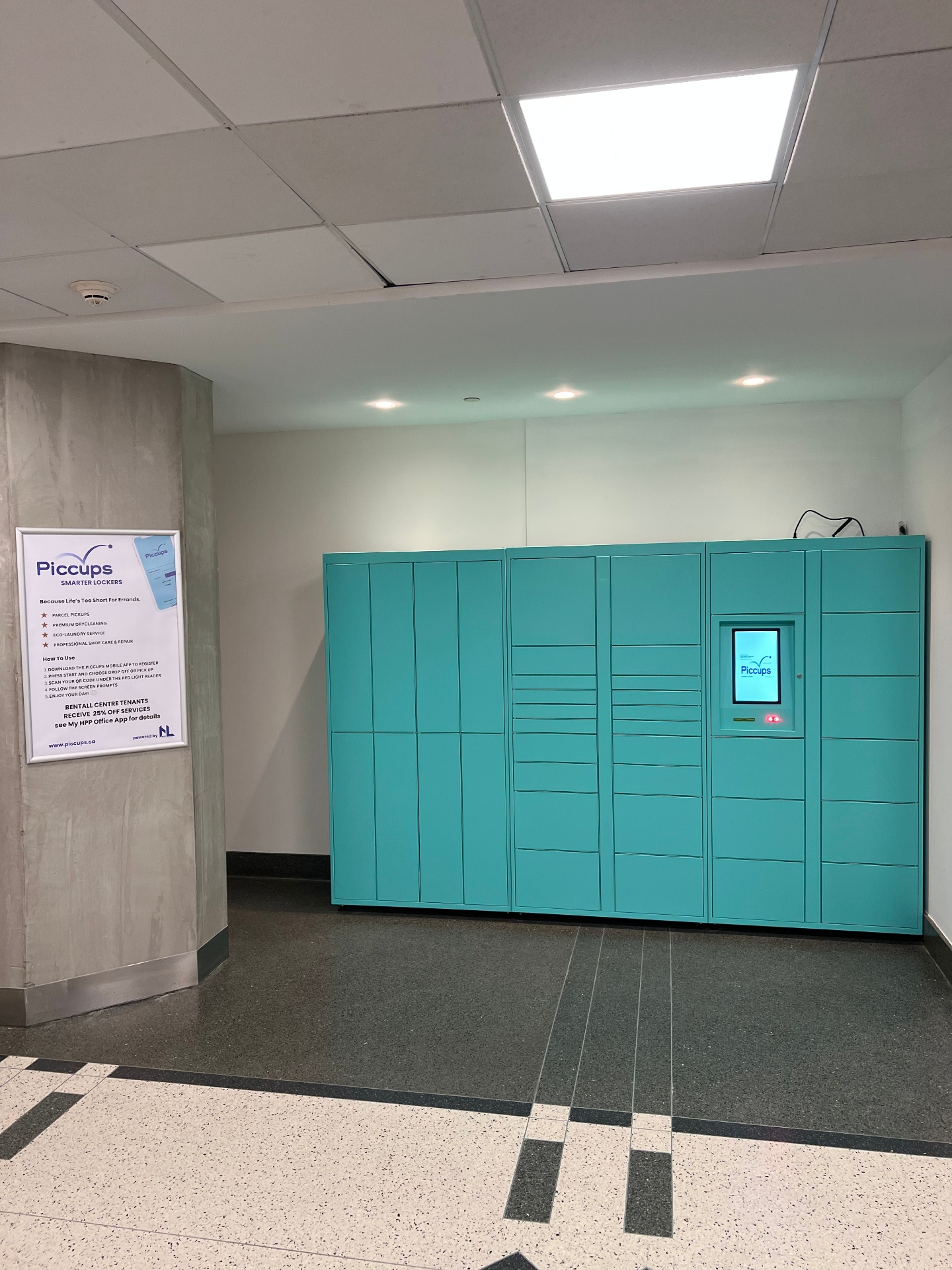
• Main lobby
• Package room
• Parking garage entrance
• Exterior wall near the leasing office
• Covered area near a building entrance
• Central location between several buildings
An indoor location offers better protection from rain, snow, heat, and vandalism. It may also reduce power and network concerns. However, an indoor locker may be difficult for couriers to access after office hours.
An outdoor locker can provide greater delivery access. It must be designed for local weather conditions and protected from water, extreme temperatures, and unauthorized tampering.
When considering how to choose a smart package locker for apartment buildings, check the full path from delivery vehicle to locker. A courier should not need to walk through locked doors, climb stairs, or search for a hidden entrance.
Also review:
• Lighting
• Security camera coverage
• Cellular or Wi-Fi signal
• Electrical access
• Drainage and weather protection
• Fire exits and required clearance
• Accessibility for wheelchair users
• Space for residents to stand and open doors
The Americans with Disabilities Act and local building rules may affect installation. Ask the vendor and a qualified local professional to confirm clearances and access requirements before construction begins.
Source: amazon.ae
Compare Security Features
Security is a central reason to install a smart package locker. Still, not all systems offer the same level of protection.
A strong system should provide:
• Unique pickup codes
• Mobile app access
• Code expiration
• Delivery notifications
• Door sensors
• Failed access alerts
• Audit logs
• Admin controls
• Tamper detection
• Secure data handling
Some lockers use one-time codes. Others connect access to a resident account or phone number. One-time codes can work well for guests and residents without smartphones. App-based systems may offer more tracking and remote control.
Ask how the system handles lost phones, shared accounts, and forgotten codes. Residents should have a safe recovery process that does not weaken security.
Package lockers reduce exposure, but they cannot guarantee that every item will be safe. A resident may share a code, leave a locker door open, or fail to collect a package. Clear instructions and proper system settings still matter.
A useful question is whether the system records who opened a compartment and when. This record can help staff investigate disputes. It should not be treated as proof of every event, but it creates a useful audit trail.

Source: dclocker.com
Review Access Methods and Resident Experience
A smart package locker should be easy to use for residents, couriers, and staff. If the process feels confusing, people may avoid it.
Common access options include:
• PIN codes
• QR codes
• Mobile apps
• Resident key fobs
• Building access cards
• Touchscreens
• Text message links
The best choice may be a combination. For example, residents may use an app or PIN, while couriers use a delivery interface with limited access.
Consider residents who:
• Do not own a smartphone
• Have limited digital skills
• Speak different languages
• Receive deliveries for family members
• Need accessible screen height and controls
• Have hearing, vision, or mobility needs
A simple screen with clear instructions can prevent many support calls. The system should show the locker number, provide clear prompts, and allow users to finish the process quickly.
When researching how to choose smart package locker for apartment use, ask for a live demonstration. Do not rely only on a sales presentation. Test the system with a resident, a courier, and a staff member.
A practical lesson from apartment technology projects is that small points of friction become large problems when hundreds of people repeat them each week. A fast, clear process is not a luxury. It is part of the system’s value.

Source: amazon.com
Examine Software, Notifications, and Integrations
The locker hardware is only one part of the solution. Software manages deliveries, sends alerts, controls access, and provides records.
Look for software that supports:
• Email, text, and app notifications
• Real-time delivery updates
• Multiple package sizes
• Return deliveries
• Resident move-in and move-out changes
• Staff management
• Delivery reports
• Locker availability tracking
• Remote troubleshooting
• Multiple buildings or locations
Notifications should tell residents what they need to know without creating confusion. A useful message may include the locker location, pickup code, collection deadline, and support contact.
Ask whether the system integrates with property management software. Integration can reduce manual data entry when residents move in or leave. It may also help staff manage access rights more accurately.
Data privacy deserves careful review. Ask:
• What resident data does the system collect?
• How long is access data stored?
• Who can view delivery records?
• Is data encrypted during transmission?
• Can the property delete records when appropriate?
• What happens if the vendor closes or changes service?
No system is risk-free. A vendor should explain its security practices in plain language. Avoid providers that make broad claims without describing safeguards, responsibilities, and limitations.
Source: nextlevelsmartservices.com
Check Courier Compatibility
A locker is useful only when couriers can use it consistently. Major carriers, local delivery services, grocery companies, and independent drivers may follow different procedures.
Before choosing a system, ask vendors how couriers receive access. Some systems use delivery codes. Others use an app, a touchscreen, or building access integration.
Confirm whether the locker supports:
• National carriers
• Local courier companies
• Food and grocery delivery
• Same-day delivery
• Resident-to-resident deliveries
• Returns and outgoing parcels
• Deliveries outside office hours
Your property team should create a short delivery guide. It can show the locker location, access steps, and contact details for help.
A system that depends on every courier using the same app may create problems if local drivers cannot or will not install it. Flexibility is important.
It is also wise to ask what happens when all compartments are full. The vendor should explain whether the system creates a waitlist, redirects the driver, alerts staff, or assigns another available locker.
Source: alibaba.com
Consider Indoor, Outdoor, and Refrigerated Options
The environment around the locker affects its design and cost.
Indoor package lockers
Indoor units usually have lower exposure to weather and may offer a cleaner resident experience. They work well in lobbies, package rooms, and secured common areas.
However, indoor units may require:
• More floor space
• Courier access after hours
• Better lobby traffic planning
• Fire and egress review
Outdoor package lockers
Outdoor units can improve access in buildings without large lobbies. They need strong weather protection and suitable materials.
Check the rating for:
• Rain and moisture
• Dust
• Sun exposure
• Temperature changes
• Wind
• Corrosion
Outdoor systems may also need lighting, a protective canopy, drainage, and a stable foundation.
Refrigerated lockers
Refrigerated lockers can support grocery and meal delivery. They may be useful in communities where residents frequently receive temperature-sensitive items.
They also add complexity. Review power use, temperature monitoring, sanitation, maintenance, and responsibility for spoiled goods. A refrigerated locker does not replace safe food handling by the store, courier, or resident.
Compare Total Cost of Ownership
Price is important, but the purchase price does not tell the full story. The total cost may include:
• Locker hardware
• Delivery and installation
• Construction or electrical work
• Software subscriptions
• Cellular or network service
• Warranty coverage
• Repairs and replacement parts
• Cleaning
• Staff training
• Payment processing
• Upgrade fees
• Removal or relocation costs
Ask each vendor for a three-year or five-year cost estimate. Use the same assumptions for every quote.
Also ask what happens after the warranty ends. A low-cost system may become expensiveif parts are difficult to find or software support requires a costly contract.
When reviewing how to choose smart package locker for apartment communities, compare value rather than the lowest bid. A reliable system that saves staff time and reduces package complaints may provide better value over time.
Still, do not assume every claimed benefit will appear automatically. Track results after installation. Useful measures include:
• Package complaint volume
• Staff hours spent managing deliveries
• Average pickup time
• Locker utilization
• Number of failed deliveries
• Resident satisfaction
• Maintenance calls
Evaluate Maintenance and Vendor Support
Smart lockers contain electronics, locks, screens, sensors, and software. They need support when something fails.
Ask vendors:
• What is the average response time for service calls?
• Is support available 24 hours a day?
• Can staff reset a compartment remotely?
• Are replacement parts stocked in the United States?
• Does the company provide software updates?
• Who handles resident support?
• What is covered under warranty?
• Are service visits included in the subscription?
A strong support plan should explain what happens during a network outage, power failure, damaged screen, or jammed door.
Ask whether residents contact the property team or the vendor. Both models can work, but responsibilities must be clear. If every issue goes to an already busy leasing office, the system may increase staff workload instead of reducing it.
Request references from apartment communities with similar size, layout, and delivery volume. Speak with those customers about uptime, support quality, and hidden costs.
Review Accessibility, Safety, and Compliance
A package locker should serve the whole community. Accessibility must be considered during planning, not added later.
Review:
• Screen height
• Reach range
• Door force
• Path width
• Turning space
• Lighting
• Text size and contrast
• Audio or visual instructions
• Language options
• Clear floor space
The exact requirements depend on the property and local rules. A qualified architect, accessibility consultant, or building official can provide advice for your site.
Safety also includes emergency access and electrical work. Do not place a locker where it blocks an exit, narrows a corridor, or creates a trip hazard.
A professional site review is often less expensive than moving a locker after installation. This is one of the most common mistakes in how to choose smart package locker for apartment projects: focusing on software before confirming the physical site.
Plan the Resident Rollout
Even a well-designed locker needs a clear launch plan. Residents may resist a new process if they do not understand why it exists.
A simple rollout can include:
- Announce the installation several weeks in advance.
- Explain the benefits and basic access steps.
- Provide instructions in print and digital formats.
- Demonstrate the system during leasing hours.
- Train staff before the launch date.
- Start with a short pilot if possible.
- Review complaints and usage data after the first month.
Use plain language. Tell residents where deliveries will go, how they receive alerts, how long packages can remain inside, and whom to contact for help.
Set a fair policy for unclaimed packages. The policy should explain reminders, storage limits, returns, and staff handling. Apply it consistently.
The best technology feels almost invisible after people learn it. Good training helps residents cross that learning curve quickly.
Common Mistakes to Avoid
Understanding how to choose smart package locker for apartment buildings also means knowing what not to do.
Avoid these mistakes:
• Choosing a locker based only on the lowest price
• Buying too many small compartments
• Ignoring peak holiday delivery volume
• Installing the unit far from vehicle access
• Failing to check cellular or Wi-Fi coverage
• Forgetting residents without smartphones
• Assuming all couriers use the same process
• Skipping accessibility and fire safety reviews
• Accepting unclear service terms
• Ignoring data privacy
• Failing to plan for full lockers
• Treating resident training as an afterthought
Another common mistake is choosing a system that looks impressive but does not match the building’s daily workflow. A sleek touchscreen cannot fix poor placement or insufficient capacity.
Ask vendors to describe the worst-case scenario. What happens when the locker is full, the network is down, a resident loses access, or a courier cannot open a compartment? Their answers can reveal more than a product brochure.
A Practical Vendor Comparison Checklist
Use a written scorecard when comparing systems. This keeps the decision focused and reduces the risk of choosing based on a polished sales demo.
Score each vendor on a scale from one to five:
• Capacity and compartment mix
• Indoor or outdoor suitability
• Security controls
• Resident access options
• Courier compatibility
• Accessibility
• Software and notifications
• Property management integration
• Installation requirements
• Warranty and support
• Data privacy
• Total five-year cost
• Customer references
Request these documents before signing:
• Product specifications
• Site preparation requirements
• Service-level agreement
• Warranty terms
• Data processing terms
• Insurance information
• Installation timeline
• Training plan
• Cancellation and renewal terms
• Business continuity plan
If possible, visit a nearby property using the same locker. Test the full process from delivery to pickup. This real-world check often exposes issues that a conference room demonstration hides.
Frequently Asked Questions About How To Choose Smart Package Locker For Apartment?
What is a smart package locker?
A smart package locker is a secure compartment system that stores deliveries until residents retrieve them. It usually uses electronic locks, access codes or an app, delivery alerts, and an administrative dashboard.
How many lockers does an apartment building need?
The correct number depends on unit count, delivery volume, compartment sizes, and pickup habits. Review at least three months of package data and add capacity for busy periods such as November and December.
Are smart package lockers secure?
Smart lockers are generally safer than leaving packages in an open lobby or outside a door. However, security depends on access controls, code protection, camera coverage, resident behavior, software safeguards, and proper maintenance.
Can residents use a smart locker without a smartphone?
Many systems support PIN codes, key fobs, access cards, or text messages. Confirm this feature before buying if some residents may not use mobile apps.
Do smart package lockers work outdoors?
Some lockers are designed for outdoor use and include weather protection, durable materials, and temperature controls. Confirm the product’s environmental ratings and review site drainage, lighting, power, and network access.
How much does an apartment package locker cost?
The cost varies by capacity, installation, software, location, security features, and service terms. Request a complete multi-year quote that includes construction, connectivity, maintenance, training, and subscription fees.
Can package lockers accept grocery deliveries?
Some systems can accept grocery deliveries, while refrigerated models support temperature-sensitive items. Confirm temperature control, cleaning duties, power needs, and responsibility for spoiled food before selecting this option.
Conclusion
Choosing the right apartment package locker starts with the building’s real delivery needs. Review package volume, locker sizes, location, security, access methods, courier use, accessibility, software, support, and total cost.
The strongest answer to how to choose smart package locker for apartment properties is to match the system to daily operations rather than buying the most advanced product. Test the user experience, speak with similar property managers, and plan for peak demand and service issues.
Create a vendor scorecard, request detailed quotes, and involve residents and staff before making a final decision. Explore additional property technology resources, compare qualified providers, and share your questions or experiences with apartment package lockers.