
What Are The Benefits Of Sustainable Living? Discover the top perks of eco-friendly living, including saving money, reducing waste, protecting the environment, improving health, and creating a greener future. Sustainable living cuts waste, saves money, and boosts health while protecting nature. If you have wondered what the benefits of sustainable living are, you are in the right place.
I help people design low-carbon, budget-friendly lifestyles that fit real life. In this guide, I break down the proven gains of sustainable living, show how to start, and share lessons from the field. You will see how small steps stack into real impact for your wallet, your health, and the planet.

Source: sigmaearth.com
What Is Sustainable Living?
Sustainable living means meeting your needs today without harming tomorrow. It is about smart choices that reduce waste, save energy, and respect nature. It looks at the full life cycle of what we buy and use. From raw materials to use and end of life.
Sustainable living is not about perfection. It is about progress. It blends three parts. Planet, people, and profit. This is often called the triple bottom line. Systems thinking and circular design guide many actions. You keep materials in use for longer. You avoid pollution where it starts.
Here is the core idea. Use less, choose better, and share more. That simple shift unlocks many gains for you and your community.
Environmental Benefits of Sustainable Living
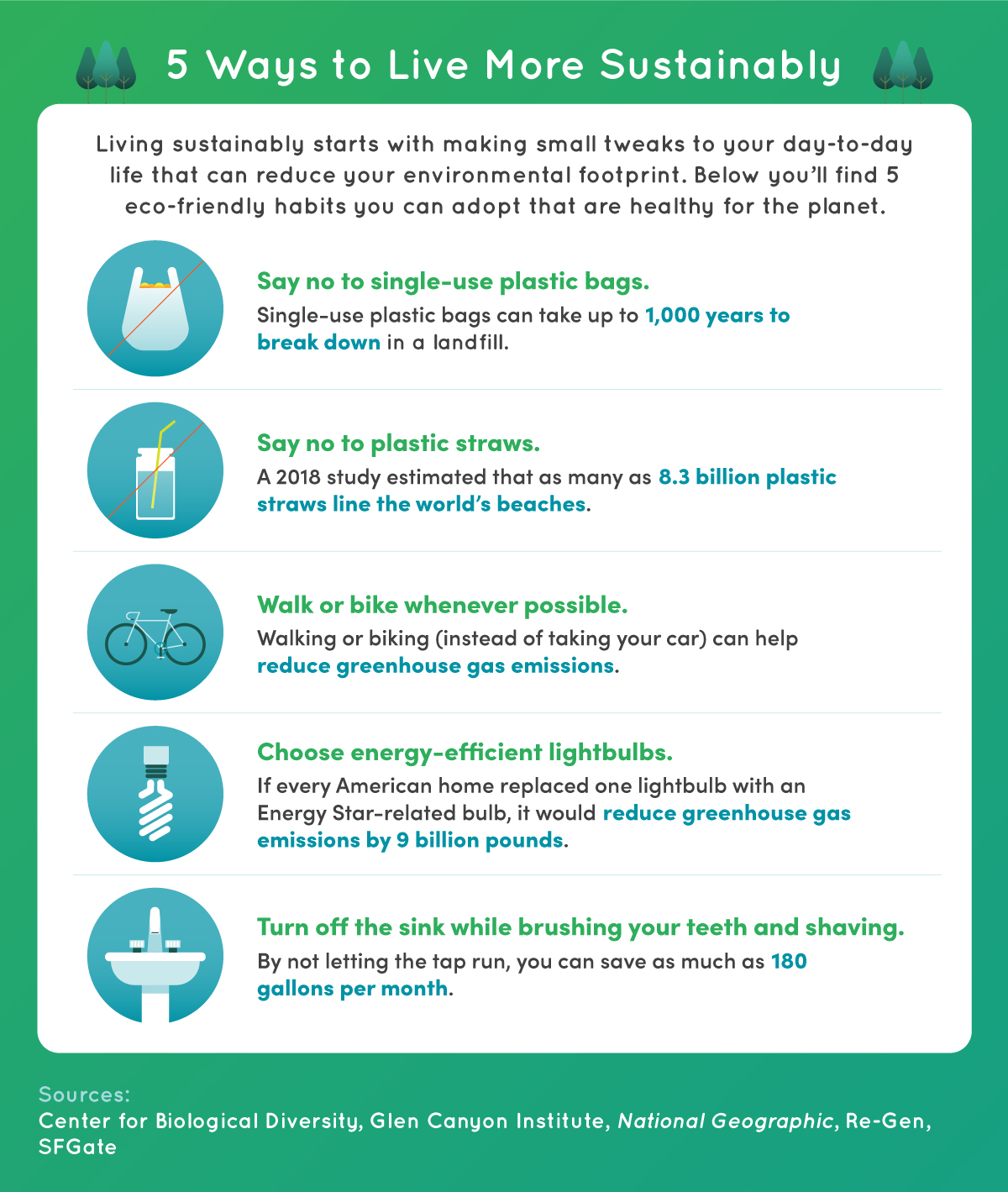
Sustainable living cuts your carbon footprint. Efficient homes use less energy. Heat pumps, insulation, and LED lights shrink emissions fast. Studies show LEDs use much less power than old bulbs. Weather sealing can trim heating and cooling waste by a large share.
Cleaner air is another gain. Walking, biking, and public transit reduce tailpipe pollution. Induction stoves and good ventilation lower indoor air irritants. That helps lungs and hearts.
Food choices matter too. Plant-rich meals tend to require less land and water. They also often cause fewer emissions. Composting keeps food scraps out of landfills. That reduces methane, a strong greenhouse gas.
Sustainable living also helps water and soil. Low-flow fixtures save gallons each day. Native plants need less irrigation. Simple rain barrels store water for gardens. Every bit lowers strain on local systems.
Biodiversity wins when we protect habitats. Supporting local farms and shade-grown or certified goods can help forests and wildlife. Buying fewer, better things reduces mining and waste.

Source: sigmaearth.com
Financial Benefits of Sustainable Living
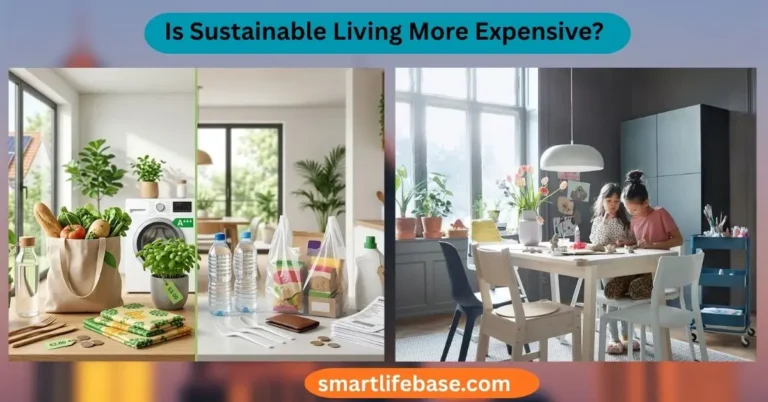
A common myth says sustainable living costs more. In practice, it often pays you back. Fast. LEDs last for years. They can cut lighting costs by most of the bill. A smart thermostat can trim heating and cooling by a solid percentage. Home sealing and insulation can reduce energy loss a lot.
Bigger changes can add up. Heat pumps replace a furnace and an AC with one efficient unit. Solar panels can lower your bill for decades. Many homes get tax credits or rebates. That shortens payback time.
Buying less but better saves money too. Durable goods break less often. Repair and refill options cost less over time. Public transit, carpooling, or an e-bike can beat the full cost of owning a second car.
From my work with households, simple steps saved between 10% and 30% on energy in the first year. One family switched to LEDs, a smart thermostat, and cold-water laundry. Their monthly bill dropped within two cycles. They felt the difference.

Source: co.uk
Health and Wellbeing Benefits
Sustainable living can make you feel better day to day. More walking and biking add easy exercise. That helps heart health and mood. Short trips on foot also lower stress from traffic.
Cleaner indoor air is a big win. Low-VOC paints and green cleaning products reduce fumes. Good filters and proper ventilation keep dust and smoke in check. Gas stove users who switch to induction often report less eye and throat irritation.
A plant-forward diet brings fiber and micronutrients. It can support a healthy weight and lower risk for some diseases. Fresh, local food often tastes better too. You build a closer link to the seasons.
There is also a mental health lift. Nature time lowers anxiety. Gardening is a hands-on way to connect with life around you. I have seen clients sleep better once they made their home calmer and less cluttered.

Source: sustainyourstyle.org
Social and Community Benefits
Sustainable living can knit stronger communities. Local markets keep money in your area. Repair cafes and tool libraries help neighbors share and learn. You save cash and build trust.
Equity improves when we cut energy waste in older homes. Lower bills help families balance budgets. Clean air and safe streets support kids and elders. Accessible transit connects people to work and care.
Jobs grow in green sectors. Energy auditors, installers, farmers, and recyclers all benefit. These jobs are local. They cannot be offshored. Skills build over time in your town or city.
Civic pride rises with community gardens and clean streets. Public spaces feel safe and alive. People meet and talk. That makes places more resilient during floods, fires, or heat waves.
Source: maryville.edu
Practical Steps To Unlock The Benefits
You can start small and still gain from sustainable living. Pick one area this week.
Home energy
- Switch to LED bulbs in the most-used rooms.
- Adjust your thermostat by one or two degrees.
- Seal drafts around windows and doors.
Water
- Install a low-flow showerhead.
- Fix leaks fast.
- Collect rainwater for plants where allowed.
Transport
- Walk or bike short trips once a week.
- Try transit for one commute.
- Bundle errands to cut miles.
Food
- Plan meals and shop with a list.
- Try one plant-based dinner each week.
- Store food well and freeze leftovers.
Waste
- Set up simple bins for recycling and compost.
- Refill basics like soap and coffee where possible.
- Borrow or rent rarely used tools.
Money-saving upgrades
- Smart plugs and power strips for idle devices.
- A heat pump water heater when your old one fails.
- Solar if your roof and budget allow.
Each habit is a vote for the future. Stack them over time. Track what works for you.
Source: enzymetechnicalassociation.org
Challenges, Myths, and How To Overcome Them
Myth 1: Sustainable living is expensive. Truth: Many steps are free or low-cost. They save money fast. Use rebates and buy secondhand.
Myth 2: It takes too much time. Truth: Batch tasks. Automate with smart devices. Swap one habit at a time.
Myth 3: My impact is too small. Truth: Your choices add up with others. Markets and policy shift when demand shifts.
Common barriers include choice overload, fear of change, and low trust. Keep it simple. Start with easy wins. Share results with friends. Join a local group for support.
From my experience, habit stacking works well. Link a new habit to an old one. Example: When you make coffee, check your thermostat. When you take out the trash, check recycling too.
Measuring Your Impact and Staying Motivated
Track what matters. Bills, miles driven, waste volume, or meal plans. A notebook or a free app works fine. Data turns guesswork into action.
Set clear goals. For example, cut home energy use by 15% this year. Or bike all trips under two miles. Review monthly and adjust. Celebrate small wins.
Share your progress. Post before-and-after photos of a DIY weather seal. Host a swap day with friends. Collective action fuels momentum.
If you hit a wall, reset. Pick one tiny step. Brew tea rather than use a kettle on full boil. Bring a bottle. Eat a meatless lunch. Small is still progress.
Policy and Market Trends That Help
Sustainable living gets easier as systems change. Many places now offer tax credits and rebates for heat pumps, weatherization, EVs, and solar. Utilities run demand-response programs. Time-of-use rates reward smart energy use.
Markets are shifting too. More products list carbon and energy data. Repair laws and right-to-repair efforts grow. Many brands offer take-back or refill options. Green building codes raise standards for new homes.
These trends reduce barriers. They expand access and save you money. They also make sustainable living the default choice over time.
Frequently Asked Questions: What Are The Benefits Of Sustainable Living?
Does sustainable living really save money?
Yes. Lower energy use, less waste, and smarter buying cut costs over time. Many households see savings within months.
Can I live sustainably if I rent?
Yes. Use LEDs, smart power strips, and draft stoppers. Choose transit, reduce waste, and buy used gear.
What are the fastest wins for beginners?
Switch to LEDs, fix leaks, and try one plant-based meal a week. Bundle trips to cut gas use.
Is sustainable living only about the environment?
No. It also improves health, finances, and community ties. It is a whole-life approach.
How do I keep my family on board?
Start small, show the savings, and make it fun. Give simple choices and celebrate progress.
Conclusion
Sustainable living delivers clear wins. You cut bills. You breathe cleaner air. You feel better and help your community. Nature also gains, from soil to sky. The benefits of sustainable living touch every part of daily life.
Pick one action today. Swap one bulb. Plan one plant-based meal. Walk one short trip. Small moves create big change when we repeat them. If you want more tips, subscribe for new guides, or share your progress in the comments so we can learn together.




8 Comments