
Is Sustainable Living More Expensive? Learn real costs vs. myths, budget-friendly swaps, and long-term savings to live green without overspending. Is Sustainable Living More Expensive? Upfront, sometimes; over time, it often saves money. You want a clear answer and real numbers. I get it. I have tested many changes at home and at work.
I have tracked power bills, repair costs, and long-term value. In this guide, I unpack Is Sustainable Living More Expensive? with facts, lived experience, and simple math. You will see where costs rise, where they fall, and how to make smart choices that fit your life.
The real answer to Is Sustainable Living More Expensive?
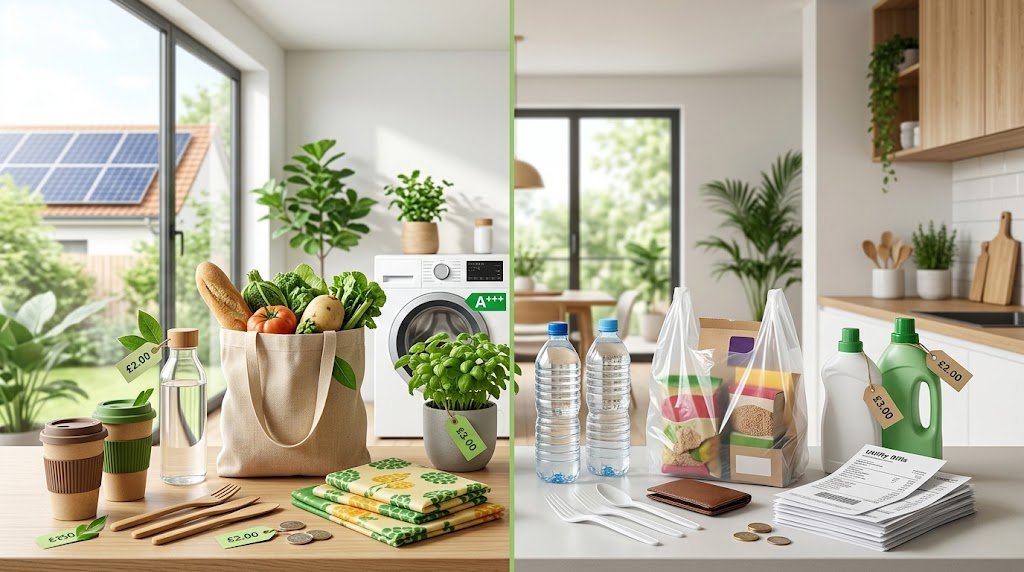
Is Sustainable Living More Expensive? It depends on time frame, product choice, and behavior. Upfront costs can be higher. Lifetime costs are often lower.
LED bulbs, high-efficiency heat pumps, and smart thermostats cut bills. Good bikes, e-bikes, and public transit reduce car miles. Food waste drops with simple planning. Durable goods last longer than fast fashion. Many changes pay for themselves.
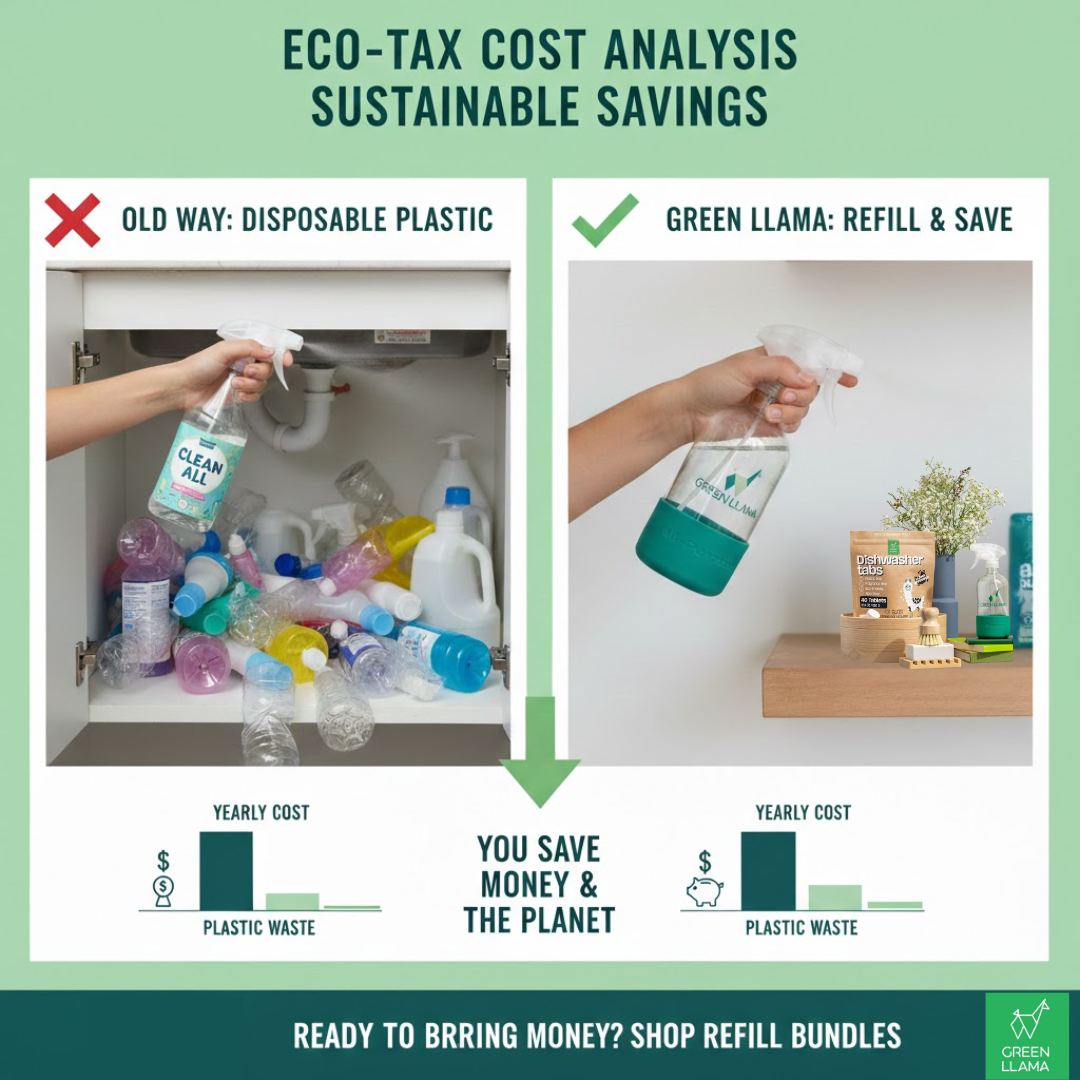
When people ask, Is Sustainable Living More Expensive?, they often look at the sticker price. The better lens is total cost of ownership. That includes energy use, repair, time, and resale. That is where green choices often win.
Source: greenllamaclean.com
How costs break down: upfront vs lifetime
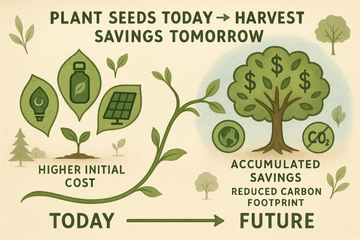
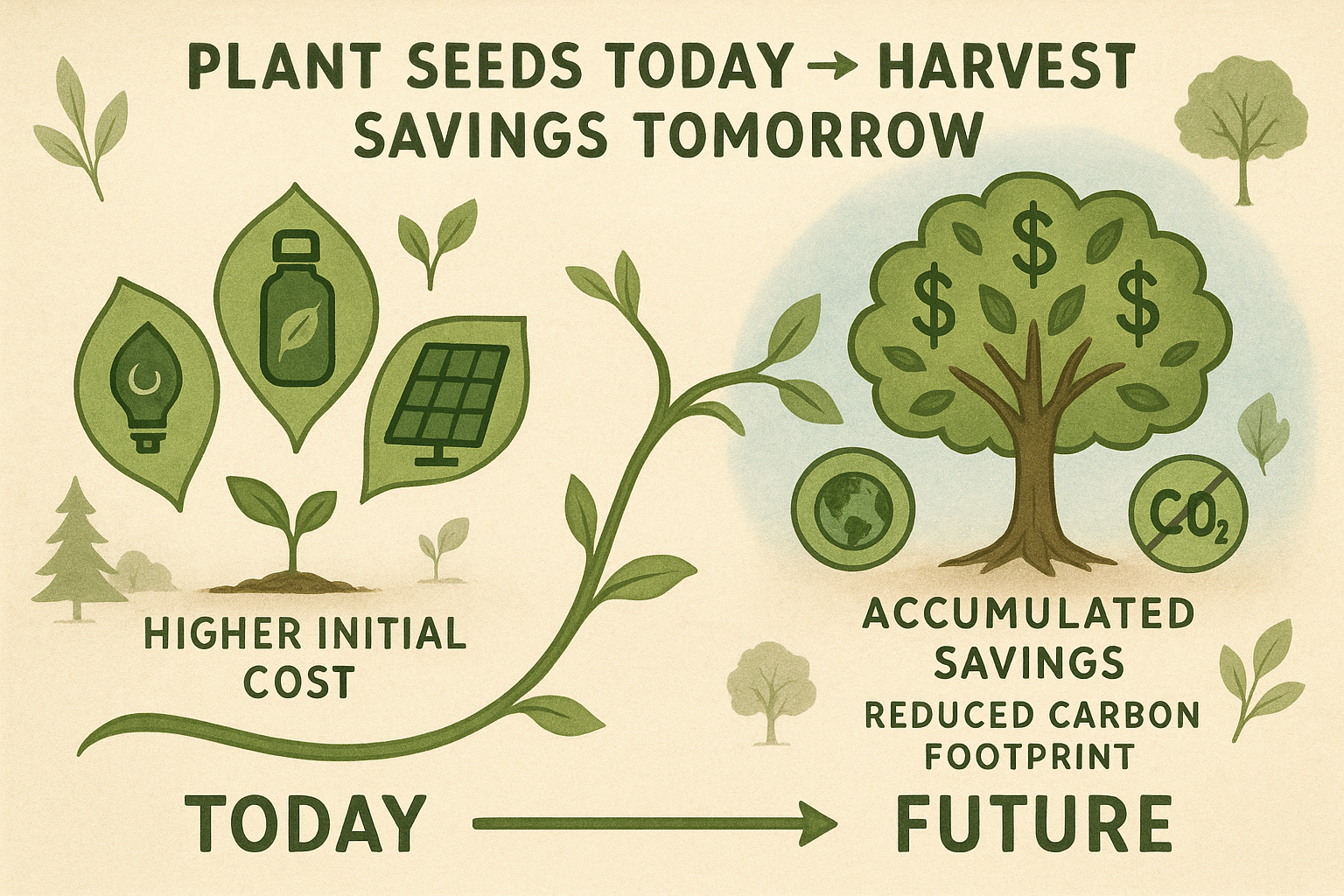
Sustainable options can cost more at the start. Yet they often save over the life of the item.
- LED bulbs cost a bit more than old bulbs. They use about 75% less power. They last many years.
- A heat pump can beat a furnace and AC on energy use. It also gives heating and cooling in one unit.
- An e-bike can replace many car trips. It is far cheaper per mile than gas.
Here is a simple rule. If it saves energy, cuts waste, or lasts longer, it likely costs less over time. So is the question, Is Sustainable Living More Expensive?, fair? Yes. But the lifetime math says no, for many items.

Source: trynada.com
Total cost of ownership: what most people miss
Think beyond the price tag. Add fuel, power, water, parts, time, and resale.
- Energy use. High-efficiency fridges, heat pump dryers, and induction cooktops use less power. Your bill drops every month.
- Maintenance. Quality shoes, cast iron pans, and repairable phones last longer. Fewer replacements save money and cut hassle.
- Resale value. A well-kept bike or quality jacket sells for more. Fast fashion has low resale value.
- Time and stress. Meal planning reduces last-minute food buys. Fewer errands save time and gas.
I ask clients to list costs for five years. When they do, the picture flips. Is Sustainable Living More Expensive? turns into how soon it pays back.
Source: greenllamaclean.com
Where you spend: home energy, food, transport, and fashion
Small wins stack up. Here is where I see the biggest savings.
Home energy
- LEDs, smart strips, and air sealing pay back fast.
- Heat pumps offer big gains in mild to cold climates.
- Solar can be great where rates are high, and sun is strong.
I have seen power bills drop 20–40% with simple steps. That is why I ask, Is Sustainable Living More Expensive?, when the power bill keeps falling.
Food
- Plan meals. Shop with a list. Store food well.
- Choose more plant meals. Beans, rice, and greens cost less than meat.
- Buy seasonal and local when it makes sense.
My own food waste fell by half with a whiteboard plan. The savings were real.
Transport
- Combine trips. Keep tires at the right pressure.
- Use transit when you can. Try a bike or e-bike for short trips.
- If you need a car, consider a hybrid or EV if the math works.
Per mile, an EV can be much cheaper than gas, even with home charging. Factor in tax credits and lower service needs.
Fashion and goods
- Buy less, but better. Look for repairable, timeless items.
- Choose secondhand. Resell what you do not use.
- Care for what you own. Simple care extends life.
In this space, Is Sustainable Living More Expensive? is often a myth. Fewer, better items usually save money.

Source: thewoolroom.com
Smart ways to save while going green
You can lower costs right away with these steps.
- Start with no-cost moves. Turn down the water heater to 120°F. Wash clothes cold. Air dry when you can.
- Tackle fast paybacks first. LEDs, weather stripping, and smart plugs have quick returns.
- Time your upgrades. Replace dying gear with efficient models. Do not toss working items just to buy new.
- Use rebates and credits. Many areas offer cash back for heat pumps, insulation, EVs, and e-bikes.
- Share and borrow. Use tool libraries. Swap with neighbors. Rent rarely used items.
I keep a list of planned upgrades. I add costs, rebates, and savings. This makes Is Sustainable Living More Expensive? a budget choice, not a guess.
Source: greenllamaclean.com
Incentives, rebates, and policy that cut costs
Public programs can tilt the math in your favor.
- Home energy. Rebates for insulation, heat pumps, windows, and smart thermostats.
- Transport. Tax credits for EVs and charging gear. E-bike vouchers in some cities.
- Solar. Federal and local credits, plus net metering where offered.
- Water. Rebates for efficient toilets, showerheads, and drought-tolerant yards.
Check city, state, and federal sites. Utility programs can stack. With incentives, the debate, Is Sustainable Living More Expensive?, often ends with a yes to savings.

Source: foolproofme.org
Risks, limitations, and when it can cost more
It is honest to note where costs can rise.
- Wrong product for your climate. A tech that shines in one region may lag in another.
- Low-quality “eco” items. Some green labels hide poor build. You pay more for less life.
- Overbuying. Buying new “green” stuff you do not need costs money and adds waste.
- Split incentives. Renters pay bills, but owners choose upgrades. Ask your landlord about rebates.
Do research. Get two or three quotes for big jobs. Ask for performance data. Test small before you go big. This is how I avoid the trap in the question, Is Sustainable Living More Expensive?, when a poor choice would make it so.

Source: texintel.com
Personal lessons from my own sustainable shift
I started with no-cost steps. I tracked kWh and gas gallons in a simple sheet. Here is what worked for me.
- LEDs and smart strips. Payback in under a year. Bills dropped at once.
- Heat pump water heater. Upfront cost was higher. With a rebate, the payoff was about three years.
- E-bike for short trips. It replaced many car miles. Savings showed up in fuel and less wear on the car.
- Meal planning. Less food waste. Lower grocery bills. Healthier meals.
What did not work? A cheap “eco” gadget that broke in weeks. I learned to read warranties and parts lists. My rule now is clear: buy once, buy right. Each win made Is Sustainable Living More Expensive? feel less like a fear and more like a plan.
Frequently Asked Questions about Is Sustainable Living More Expensive?
Is Sustainable Living More Expensive for renters?
It can be if you cannot upgrade big systems. Focus on LEDs, smart plugs, draft fixes, and water-saving tips. These are low-cost and pay back fast.
Does buying organic always cost more?
Often yes at the register, but not always. Buy seasonal, choose store brands, and mix organic with budget-friendly staples.
Are electric cars cheaper than gas cars?
Total cost can be lower with fuel and service savings, plus tax credits. Run the numbers with your rates, miles, and incentives.
Is Sustainable Living More Expensive in cold climates?
Heating loads are higher, but weatherization and heat pumps can still pay off. Incentives in cold regions are often strong.
Do green products last longer?
Durable, repairable items often do. Check warranties, parts access, and reviews to avoid greenwashing.
Is Sustainable Living More Expensive for families?
Not if you plan. Bulk buys, meal prep, and efficient appliances can save more as the household grows.
Will solar save me money?
Where rates are high and the sun is strong, solar often pays back in 6–10 years. Incentives can shorten that time.
Is Sustainable Living More Expensive in cities?
Transit and shared resources can cut costs in cities. Housing may be higher, but car-free living can offset it.
Are heat pumps worth it?
Yes in many homes. They give heating and cooling in one system and can cut bills with the right setup.
Is Sustainable Living More Expensive if I travel a lot?
It depends. Choose efficient flights, pack light, and use public transit. At home, set smart schedules to avoid waste while away.
Conclusion
Short answer to Is Sustainable Living More Expensive? It can be at the start, but the long view often saves money. Focus on total cost of ownership, stack rebates, and start with quick wins. Use data, not hype.
Pick one action this week. Swap five bulbs. Seal a draft. Plan three dinners. Track the savings and reinvest them in your next upgrade. Ready to go deeper? Subscribe for checklists, ROI calculators, and real-world case studies.