
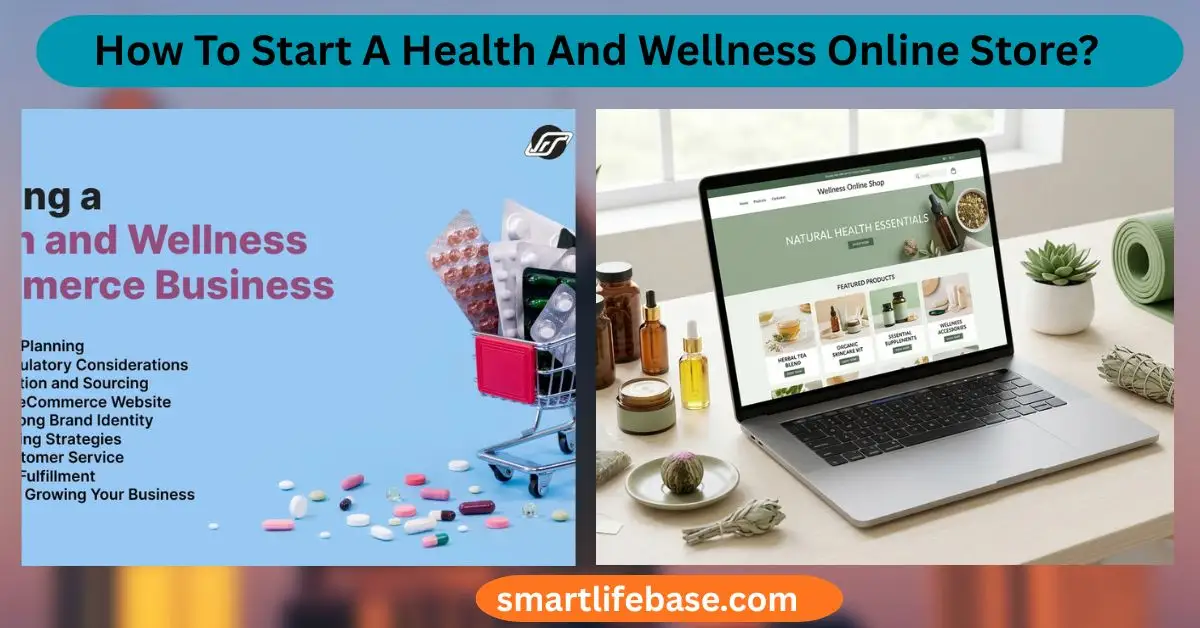
Start fast with suppliers, branding, and SEO that convert. How To Start A Health And Wellness Online Store? Proven steps to launch and scale. Validate a niche, source compliant products, build a secure store, market, and optimize fulfillment.
Launching a wellness brand online can be both mission-driven and profitable—if you do it right. In this field-tested guide on How to Start A Health and Wellness Online Store?, I walk you through each step with practical tactics, clear examples, and hard-won lessons. You will learn how to choose your niche, meet regulations, build a store that converts, and market with confidence.
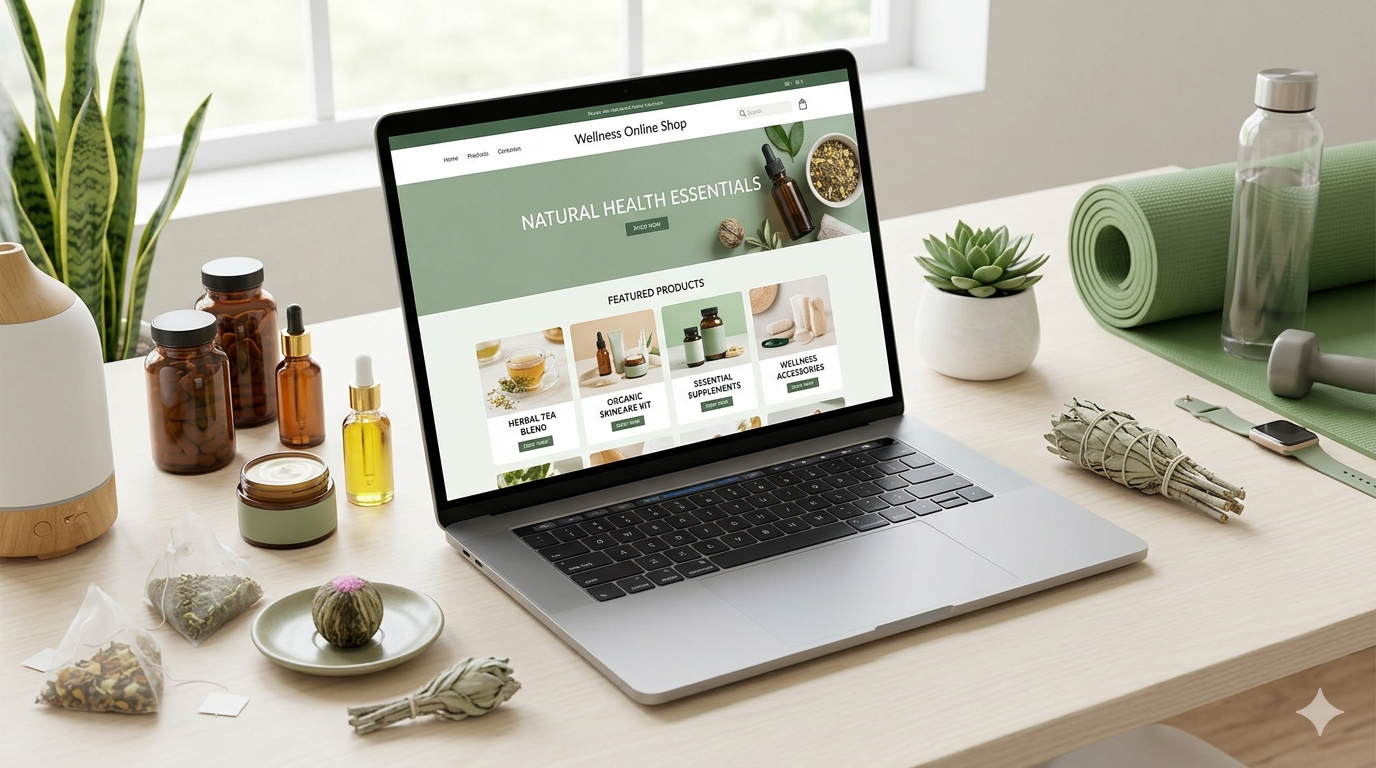
Understand the Market and Choose Your Niche
Health and wellness are broad. Pick a clear niche to stand out. Start with a specific need, such as gut health, women’s hormonal balance, natural skincare, or plant-based fitness recovery. Use keyword tools and community forums to learn what buyers want and what language they use.
Study competitors with a simple scorecard. Look at product mix, price bands, reviews, claims, and shipping policies. Identify gaps you can fill. A gap might be clean-label formulas, third-party testing, better education, or shorter delivery times.
Validate demand before you invest big. Run small ad tests, post prototypes to social, or pre-sell a pilot bundle. If you are asking How To Start A Health And Wellness Online Store?, the best start is proof of demand and a tight niche.
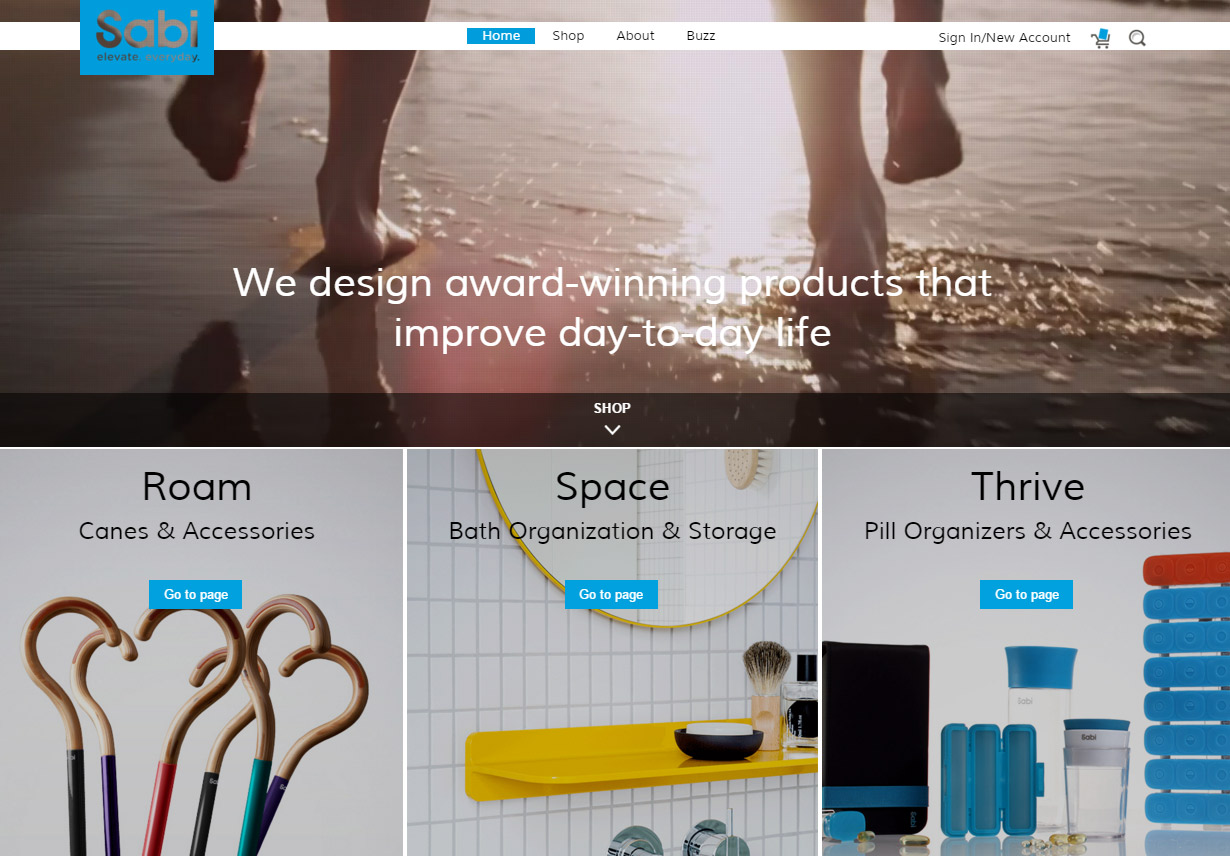
Source: quartsoft.com
Pick Your Business Model and Sourcing Strategy
You have three core options. Private label gives you control over formulas and margins, but it takes time. Wholesale is faster and safer, yet margins are thinner. Dropshipping is low-risk, but you have less control over stock and shipping speed. Many founders start with wholesale, then layer in private label winners.
Vet suppliers with a firm checklist. Request COAs (Certificates of Analysis), GMP certifications, sample batches, and shelf-life data. Review packaging safety, allergens, and labeling templates. Ask about MOQs, lead times, and product liability coverage.
Think like an operator. Plan inventory turns, cash cycles, and backup suppliers for top SKUs. When you learn How To Start A Health And Wellness Online Store, strong sourcing is what keeps your promise to buyers.
Source: financialmodelslab.com
Regulatory and Compliance Essentials
Compliance protects your brand. For dietary supplements, follow cGMP standards and use lawful structure–function claims. Avoid disease claims like treats, cures, or prevents. For cosmetics, ensure FDA-compliant labels, safe ingredients, and no misleading claims. For devices, check the FDA class and any premarket needs.
Mind marketing rules. The FTC requires that claims be truthful and backed by evidence. Use clear disclosures for affiliates and endorsements. If you collect health data, handle it with extra care and avoid implying medical services. Use age gates for restricted products. Some payment processors block CBD or homeopathic claims, so read their policies.
Set up guardrails. Use a claims review checklist. Keep COAs on file. Add a return policy, safety warnings, and a privacy policy. This is the part many skip when asking How To Start A Health And Wellness Online Store?, but it builds long-term trust.
PAA: Is dropshipping health products legal?
It depends on the product type and your supplier’s compliance. Use approved suppliers, verify testing, and confirm your payment processor allows those SKUs.
PAA: Can I make weight loss or pain relief claims?
You can use general support statements if properly substantiated, but avoid disease or drug-like claims. When in doubt, consult a regulatory expert.
PAA: Do I need liability insurance?
Yes, product liability insurance is prudent for wellness goods. Many wholesalers and 3PLs will require it to work with you.

Source: locatelonline.com
Brand Positioning and Messaging
Your brand is more than a logo. It is a clear promise. Define your unique mechanism, such as third-party tested botanicals, doctor-formulated blends, or dermatologist-vetted actives. Pick a voice that is calm, clear, and science-aware.
Craft simple messages. Use short claims you can back: clean label, GMP-made, cruelty-free, gluten-free, or non-GMO. Share your founder story with care. Buyers want to know who stands behind the product and why.
Build trust signals early. Show COAs, before–and after disclaimers, expert quotes, and verified reviews. In my first wellness launch, making COAs easy to find increased conversions by 11% in two weeks.
Source: financialmodelslab.com
Choose Your E-commerce Platform and Tech Stack
Select a platform that fits growth and compliance. Shopify is fast to launch and has a large app ecosystem. BigCommerce suits complex catalogs and B2B. WooCommerce offers control if you have dev resources. Check payment policies for your product category before you commit.
Core stack to consider:
- Payments: Stripe, Shopify Payments, or a gateway that supports your SKUs
- Taxes: Avalara or TaxJar for nexus and filings
- Email/SMS: Klaviyo or Omnisend for automated flows
- Reviews/UGC: Okendo, Judge.me, or Yotpo for social proof
- Subscriptions: Recharge or native tools for recurring orders
- Analytics: GA4, server-side tagging, and a dashboard tool
Plan for security. Use HTTPS, strong passwords, and limited admin roles. Set up backups and uptime monitoring. The right stack turns How To Start A Health And Wellness Online Store? into a reliable system, not a guess.

Source: xgentech.net
Build the Store: UX and Conversion Basics
Design for trust and clarity. Use clean layouts, readable fonts, and soft colors. Keep the header simple with a clear shop button, search bar, and cart. Add a visible phone or chat option.
Key page elements:
- Homepage: proof above the fold, fast value statement, top categories, and bestsellers
- Product page: crisp photos, benefits list, full ingredients, COA link, usage, and FAQs
- Cart/checkout: shipping timelines, trust badges, easy edits, and guest checkout
Small tests drive big wins. A benefit-led headline, a comparison chart, or a stronger guarantee can raise conversion fast. In one store, adding a clear “how it works” graphic lowered bounce rate by 15%.
Source: financialmodelslab.com
Payments, Taxes, and Legal Setup
Form a legal entity for protection and banking. Many founders pick an LLC, but discuss options with a professional. Get an EIN and set up a business bank account. Use a separate credit card for expenses.
Comply with taxes. Track state nexus from sales and inventory locations. Register in states where you are liable. Use automated tools to collect and remit. Keep tidy records of COAs, batch codes, and invoices.
Set store policies. Add terms, privacy, returns, and shipping pages. Be clear about processing times and refund windows. This clarity boosts confidence when people search How To Start A Health And Wellness Online Store? and review your brand.

Source: futuresoftindia.com
Fulfillment, Shipping, and Operations
Pick your path early. In-house gives control but takes space and labor. A 3PL frees your time and gives scale. Dropship if you sell partner brands with trusted service levels. Confirm packaging needs for liquids, glass, or heat-sensitive goods.
Offer clear shipping options. Use economy and expedited choices with real delivery times. Show free shipping thresholds to raise average order value. Add order tracking and delivery SMS to cut “where is my order” tickets.
Invest in SOPs. Document receiving, QA, lot tracking, and returns. In my second store, a simple intake checklist cut receiving errors by 40% in a month.
Marketing Strategy and Customer Acquisition
Start with owned channels. Build an email list on day one. Offer a helpful lead magnet, such as a 7-day gut reset plan or a clean skincare checklist. Set welcome flows, browse/cart reminders, and post-purchase care.
Layer paid and organic. Use Meta and TikTok for demand creation. Use Google Search and Shopping to capture buyers with intent. Test creators and micro-influencers for social proof. Track first-order CAC and target payback within 60 days.
Community builds moats. Host AMAs, run challenges, and share expert tips. When people ask How To Start A Health And Wellness Online Store?, remind them that loyalty beats one-time spikes.
Content, SEO, and Social Proof
Plan a content hub that answers buyer questions. Map top topics by funnel stage. Use clear clusters: ingredients, conditions, routines, and product comparisons. Add schema for products, FAQs, and reviews.
SEO checklist:
- Use keyword-rich titles and meta descriptions
- Write helpful headings and internal links
- Add fast-loading images with alt text
- Publish COAs and explain test methods
- Maintain an education page for claims and safety
Social proof seals the deal. Collect reviews with photos and routine notes. Feature expert quotes with credentials. Offer a sampling program to gather UGC. This is where How To Start A Health And Wellness Online Store? meets trust at scale.
Analytics, KPIs, and Optimization
Set baseline metrics at launch. Track sessions, conversion rate, AOV, CAC, LTV, and refund rate. Watch cohort retention by first product and channel. Use post-purchase surveys to see what really drove the sale.
Run weekly reviews. Identify pages with high exit, slow load, or low add-to-cart. Test one change at a time. Use split tests on headlines, bundles, images, and guarantees. Store speed matters, so keep apps lean.
Make decisions with data and empathy. Numbers tell you where to look. Customer calls tell you what to fix. That balance is central to How To Start A Health And Wellness Online Store that grows month after month.
Scaling, Partnerships, and Diversification
Add subscriptions once you have product–market fit. Offer 10–15% savings and flexible skips. Launch bundles by routine or goal, such as sleep, digestion, or skin clarity. Expand into B2B with clinics, gyms, and spas when the brand has proof.
Partner with experts. Co-create content with RDs, NDs, trainers, or estheticians. Share white papers or how-to guides. Consider marketplaces for reach, but protect pricing and brand story.
Go global with care. Check import rules, labeling, and duties. Use local 3PLs when volumes justify it. Scaling safely is part of mastering How To Start A Health And Wellness Online Store?.
Common Mistakes and How to Avoid Them
Avoid vague claims and messy labels. They invite distrust and chargebacks. Do not chase every SKU; win with a focused catalog and deep education.
Do not ignore logistics. Delivery speed and packaging quality shape reviews. Underinvesting in email and SMS is another miss. These channels drive high-margin repeat sales.
Stay strict on QA. If a batch is in doubt, hold or pull it. One bad lot can undo a year of brand building. These habits support any plan on How To Start A Health And Wellness Online Store.
Budget, Timeline, and Action Plan
Budget ranges vary. A lean launch can start at a few thousand with wholesale and a simple theme. Private label with testing, design, and MOQs can push into five figures. Keep a runway for three months of inventory and marketing.
Suggested 90-day plan:
- Week 1–2: Niche, compliance map, supplier shortlist
- Week 3–4: Samples, COAs, brand basics, platform setup
- Week 5–6: Product pages, education hub, policy pages, email flows
- Week 7–8: Soft launch, warm ads, micro-influencer seeding
- Week 9–10: Optimize UX, add bundles, dial in shipping
- Week 11–12: Scale winners, refine CAC, prepare subscriptions
Focus on leading actions. Daily outreach, content, and testing move the needle. This is the practical heart of How To Start A Health And Wellness Online Store?.
Frequently Asked Questions on How To Start A Health And Wellness Online Store?
What licenses do I need to sell supplements online?
You need a standard business license and must follow FDA and FTC rules. Check state and local rules, and keep COAs and GMP documents on file.
Can I sell CBD wellness products on Shopify or Stripe?
Many processors restrict CBD. Check current policies and consider CBD-friendly payment gateways if allowed in your region.
How should I price my products?
Aim for healthy margins after COGS, shipping, and marketing. Use competitor benchmarks and test psychological price points.
What is the best shipping strategy for fragile items?
Use protective packaging, clear handling notes, and insurance for higher-value orders. Offer tracked shipping and simple claims.
How do I get my first 100 customers?
Start with your warm network, creators, and helpful content tied to a lead magnet. Run small ad tests and refine fast.
Conclusion
You now have a clear path to go from idea to thriving store. Start small, validate fast, obey the rules, and build trust with real proof. Treat every page, package, and message as part of your promise.
Take your next step today. Pick your niche, request three supplier quotes, and draft your first product page. If this guide helped, subscribe for more playbooks or share your questions in the comments.






2 Comments