
New to home tech? What Are The Best Smart Home Devices For Beginners? Get the top starter picks, simple setup tips, and value buys to upgrade today. The best smart home devices for beginners are smart speakers, plugs, lights, thermostats, and locks. If you’re starting from zero, the best smart home devices for beginners should be simple, safe, and useful on day one.
I have set up dozens of starter homes and rentals, and I know what works without stress. This guide breaks down real picks, clear setups, and common traps to avoid. By the end, you will know exactly which devices to buy, how to link them, and how to grow with confidence.
Start Smart: Choose Your Ecosystem and Standards
Your first choice shapes everything. Pick one voice assistant and stick to it for now. Alexa, Google Assistant, and Siri all work well, but each has unique strengths.
- Alexa is flexible and friendly with budget gear.
- Google Assistant is great for natural voice and routines.
- Apple Home with HomeKit shines in privacy and local control.
Look for Matter and Thread on new products. Matter helps different brands work together. Thread boosts speed and reliability for low-power devices. Wi-Fi devices still work fine and are often cheaper.
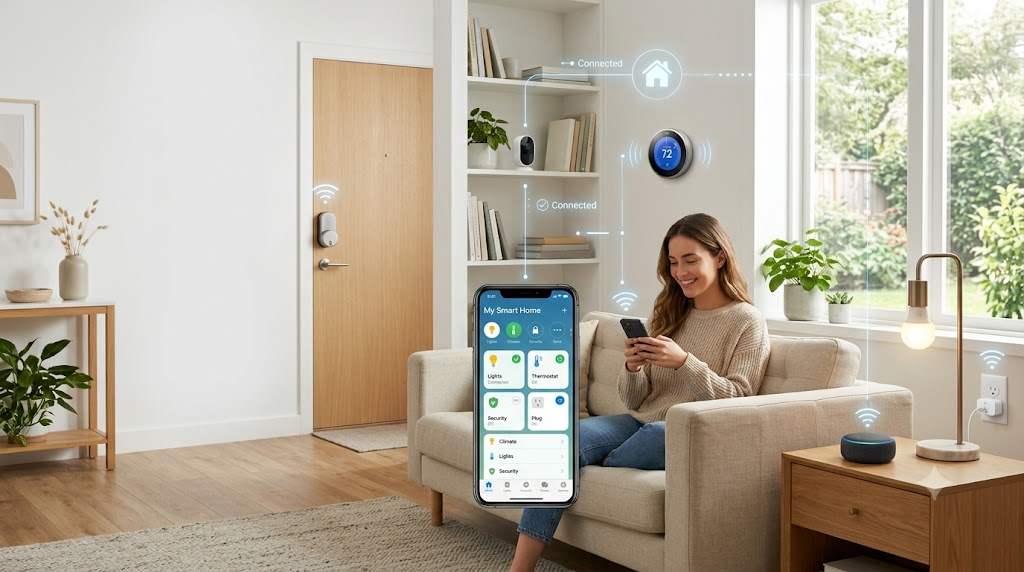
Here is my beginner rule. Buy one main control device that doubles as a hub or border router. Good picks include Echo (4th gen), Nest Hub (2nd gen), Nest WiFi Pro, HomePod mini, or a Thread/Matter SmartThings hub. This keeps your setup stable and simple.
If you want the best smart home devices for beginners, make sure your top picks support your chosen assistant, have clear apps, and get regular firmware updates. Check return windows and warranty, too.
Smart Speakers and Displays: Your Easiest Control Point
A smart speaker or display is the brain of your home. It handles voice commands, routines, and quick controls.
Top picks I trust:
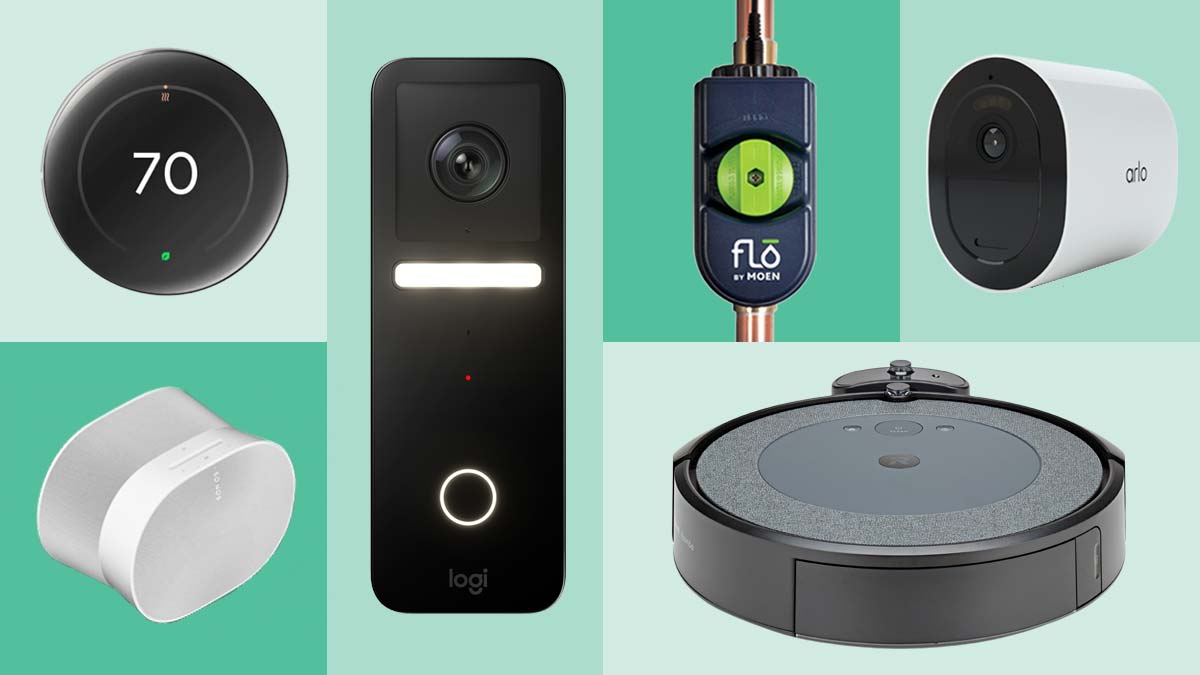
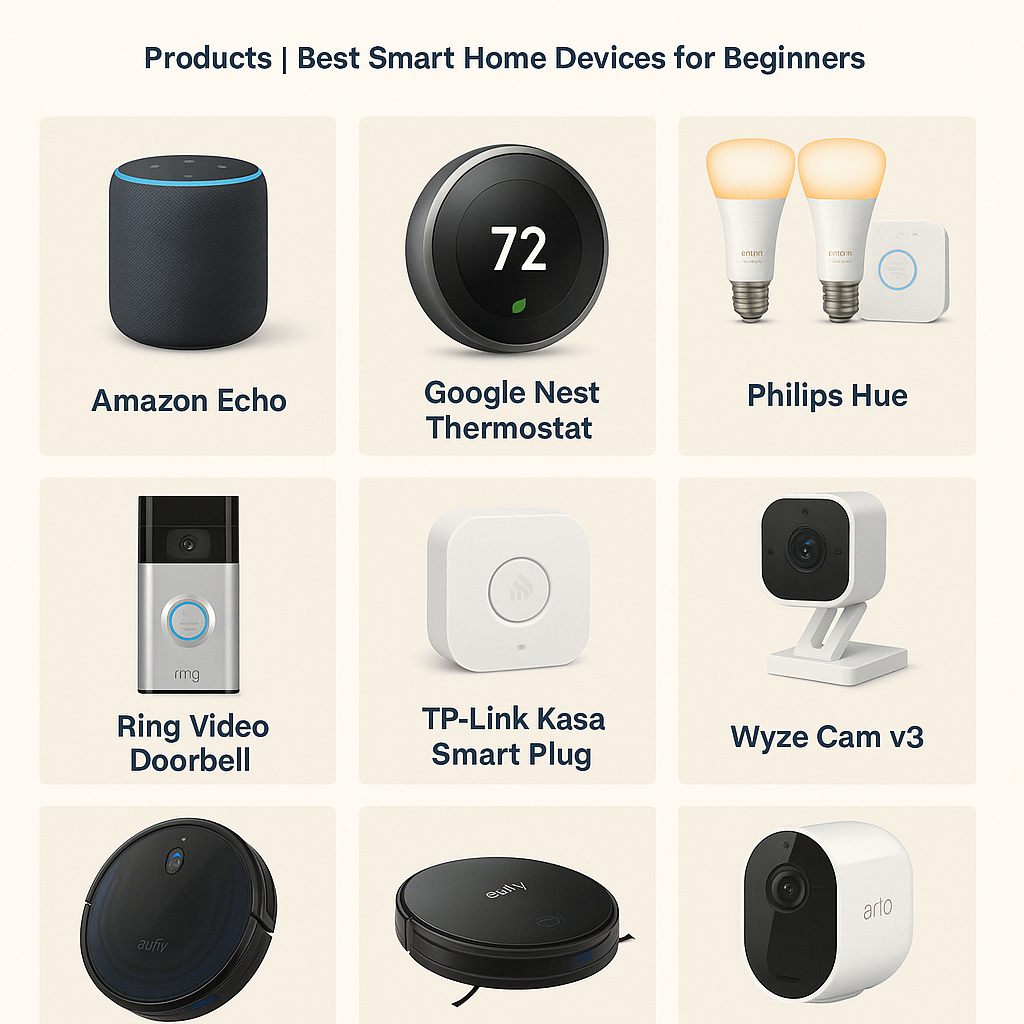
- Amazon Echo (4th gen) is a strong starter with Matter/Thread support.
- Echo Show 5 if you want a compact screen for timers and camera feeds.
- Google Nest Hub (2nd gen) for Google Photos, sleep sensing, and solid routines.
- Apple HomePod mini is a small, clear sound device that boosts HomeKit and Thread.
Practical example: In my kitchen, a Nest Hub controls lights, timers, and a doorbell feed. My family uses it without a phone. That ease is why smart speakers belong among the best smart home devices for beginners.

Smart Plugs and Switches: Instant Wins Under $25
Smart plugs are the fastest way to see value. They turn lamps, fans, and coffee makers into smart devices.
What to look for:
- Reliable Wi-Fi or Thread.
- A clear app with schedules and scenes.
- Energy monitoring if you care about power use.
Beginner-friendly brands to consider:
- Kasa for low-cost and stable Wi-Fi performance.
- Meross for broad platform support and budget bundles.
- Eve Energy for Thread, fast control, and detailed energy stats.
Tip from my tests: Group two lamps on one plug with a power strip and set a sunset schedule. It boosts comfort and saves you from dark rooms. This is why smart plugs rank high among the best smart home devices for beginners.
Smart Bulbs and Lighting: Mood, Savings, and Safety
Smart bulbs add big impact for a small price. You get dimming, color, and scenes without rewiring.
Choose bulbs or switches?
- Bulbs are easy. Replace the bulb, and you are done.
- Switches control a whole circuit. They keep the wall controls normal for guests.
Recommended picks:
- Philips Hue for premium bulbs, deep scenes, and strong reliability.
- Sengled for budget bulbs that still perform well.
- Nanoleaf Essentials for Thread bulbs with fast response.
- Kasa smart switches for simple wall switch control.
Best practice: Name lights by room and function. “Bedroom lamp” and “Sofa lamp” beat “Light 1.” Then build a “Goodnight” routine to turn off all lights and lock the door. Good lighting is a core part of the best smart home devices for beginners.
Smart Thermostats: Comfort Meets Real Savings
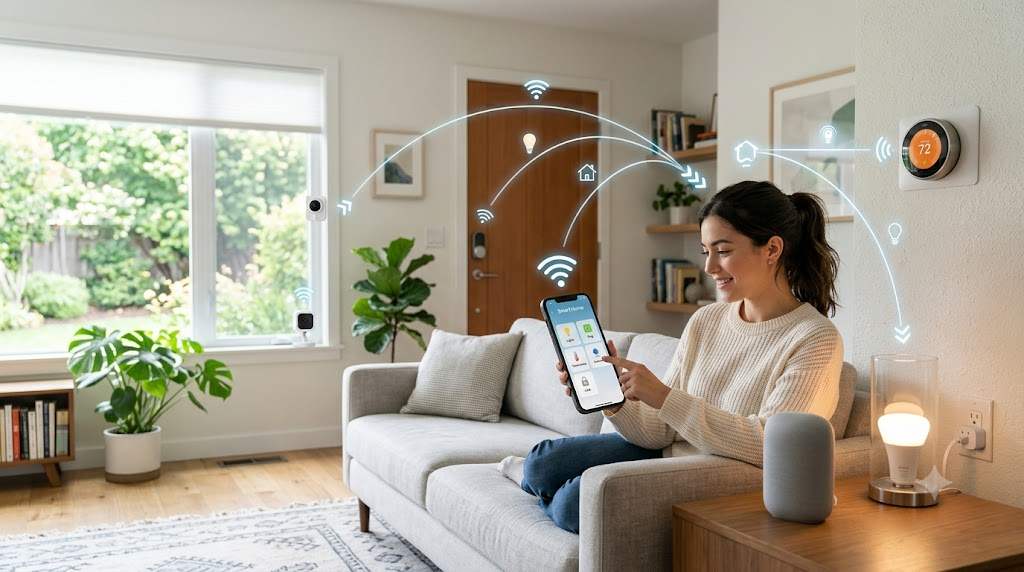
A smart thermostat can pay for itself. It learns your patterns and reduces waste.
Key features to seek:
- Easy scheduling with a simple app.
- Geofencing to lower the heat or cooling when you leave.
- Support for your HVAC system and C-wire needs.
- Utility rebate eligibility to cut costs.
Solid starter choices:
- Nest Thermostat for an affordable, sleek option with proven smarts.
- Ecobee Smart Thermostat for great room sensors and strong voice support.
- Amazon Smart Thermostat for a low-cost, set-and-forget path.
In my home, geofencing does the heavy lifting. When I leave, it sets the eco mode. When I return, it warms the house. This is why thermostats sit near the top of the best smart home devices for beginners.

Entry Security: Doorbells, Cameras, and Locks
Security gear should be simple, fair with storage fees, and private enough to trust.
Video doorbells:
- Battery models install fast. Wired models offer constant power and better uptime.
- Consider privacy controls, activity zones, and package alerts.
Cameras:
- Start with one main entry camera. Use activity zones to cut false alerts.
- Local storage can reduce subscription costs.
Smart locks:
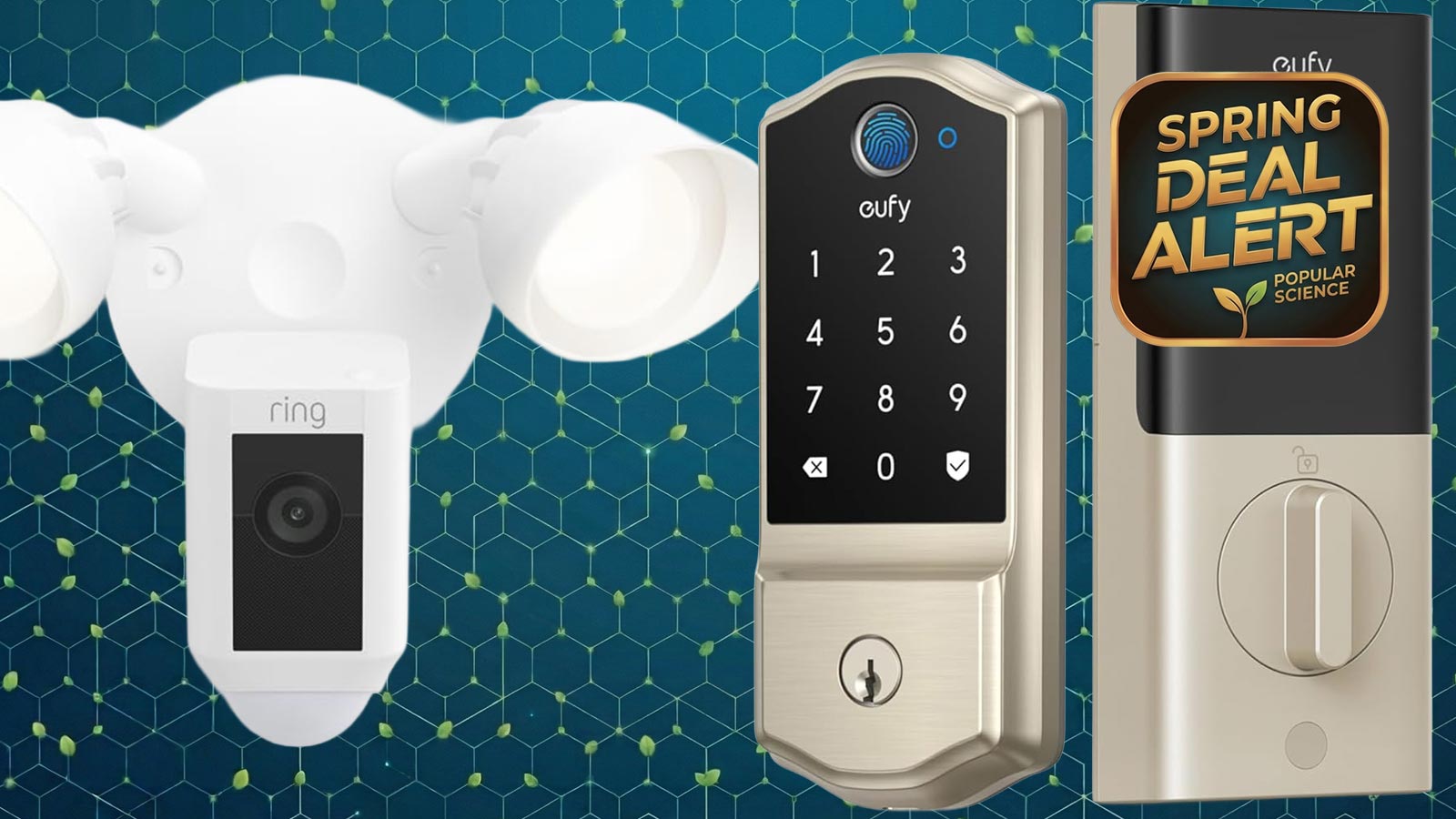
- August Wi-Fi Smart Lock upgrades your deadbolt and keeps your keys.
- Yale Assure 2 is a clean keypad option with broad ecosystem support.
- Level Bolt hides inside the door and keeps your exterior look.
I always test locks for guest access. A one-time code for a cleaner or dog walker is a game-changer. Entry gear rounds out the best smart home devices for beginners with clear daily value.
Hubs, Routers, and Local Control: Build on a Strong Base
A stable network makes your home feel smart, not fussy. Aim for strong Wi-Fi coverage in rooms with many devices.
Helpful gear traits:
- Matter controller support to link mixed brands.
- Thread border router capability for fast, low-power devices.
- Local processing, when possible, can reduce cloud delays.
Good examples:
- Echo (4th gen) or HomePod mini for entry-level Thread and Matter support.
- Nest WiFi Pro for Wi-Fi 6E and Thread in one box.
- SmartThings Station or Hub for flexible automation logic and device support.
This backbone keeps routines fast and devices online. It also prepares you to expand beyond the best smart home devices for beginners when you are ready.

Setup Checklist and Common Mistakes to Avoid
I have seen many first-time setups. These tips prevent most headaches.
Do this first:
- Pick one ecosystem and stick with it for six months.
- Use clear names for rooms and devices before adding automations.
- Turn on two-factor authentication on every account.
Avoid these traps:
- Mixing five brands on day one. Start with two at most.
- Buying gear without checking Matter or platform support.
- Skipping firmware updates. Update during setup to fix bugs early.
Simple wins:
- Create a bedtime scene for lights, thermostat, and locks.
- Use sunrise and sunset schedules instead of fixed times.
- Share household access so family members can control scenes too.
These steps make the best smart home devices for beginners work together, not against you.
Budget-Friendly Starter Bundles You Can Copy
You can start small and still feel a big upgrade. Try one of these bundles.
$100 starter:
- One smart speaker or display is on sale.
- Two smart plugs for lamps.
- One white smart bulb for a hallway.
$250 starter:
- One smart display with Matter support.
- Four smart bulbs for living room scenes.
- One battery video doorbell or one smart lock on sale.
$500 starter:
- One premium smart display or two speakers.
- Six smart bulbs or two smart switches.
- One smart thermostat with a rebate.
- One entry camera or lock, plus a few window sensors.
These bundles use the best smart home devices for beginners and scale well as you grow.
Real-World Lessons From Hands-On Setups
Over the years, I learned a few truths that save time and money.
- Test voice names out loud. “Kitchen overheads” beats “Kitchen main fixture.” Short names win.
- Start with automations you use daily. Wake up, leave, bedtime. Then add fun extras.
- Battery devices wander off networks. Place them closer to Thread or Wi-Fi nodes.
- Energy features matter. Smart plugs with energy stats helped me spot a wasteful dehumidifier.
- Privacy is a feature. Use end-to-end options where possible, set strong PINs, and audit sharing.
These small habits help the best smart home devices for beginners feel polished and safe.
How to Compare Brands Without the Hype
Not all specs are equal. Here is how I score gear.
- Reliability over raw features. A stable bulb beats a flashy one that drops offline.
- Local or on-device processing. Faster and more private when available.
- Clear, honest pricing. Hardware plus cloud costs should be clear before you buy.
- Update history. Frequent, well-documented updates signal a brand you can trust.
- Interoperability. Matter, Thread, and common voice assistants are must-haves for now.
Use this lens, and you will pick the best smart home devices for beginners with confidence.
Frequently Asked Questions: What Are The Best Smart Home Devices For Beginners?
What is the easiest smart device to start with?
A smart plug is the easiest and cheapest start. It controls lamps or appliances and helps you learn routines fast.
Do I need a hub for my first smart home?
Not always. Many Wi‑Fi devices work without a hub, but a Matter or Thread hub improves reliability and future-proofing.
Which voice assistant should I choose?
Pick the one you already use on your phone or speaker. Keep it simple for six months, then expand if needed.
Are smart thermostats worth it?
Yes, for most homes. Good schedules and geofencing can cut bills and keep rooms comfortable.
How do I protect my privacy with cameras and doorbells?
Enable two-factor login, use strong passwords, and limit sharing. Choose brands with local storage or strong encryption options.
Will smart bulbs still work if Wi‑Fi goes out?
Thread bulbs and some systems with local control may keep running scenes. Pure Wi‑Fi bulbs usually need the network.
What is Matter, and why should I care?
Matter is a new standard that lets devices from different brands work together. It reduces app juggling and improves setup.
Conclusion
Start small, focus on daily value, and grow with intent. Pick one ecosystem, add a smart speaker, then layer in plugs, lights, a thermostat, and an entry device. These are the best smart home devices for beginners because they deliver comfort, savings, and safety without stress. Build on wins, keep names simple, and secure your accounts.
Ready to begin? Choose your first device today, set one helpful routine, and watch your home get smarter from there. If this guide helped, subscribe for more tips or leave a comment with your setup and questions.





2 Comments