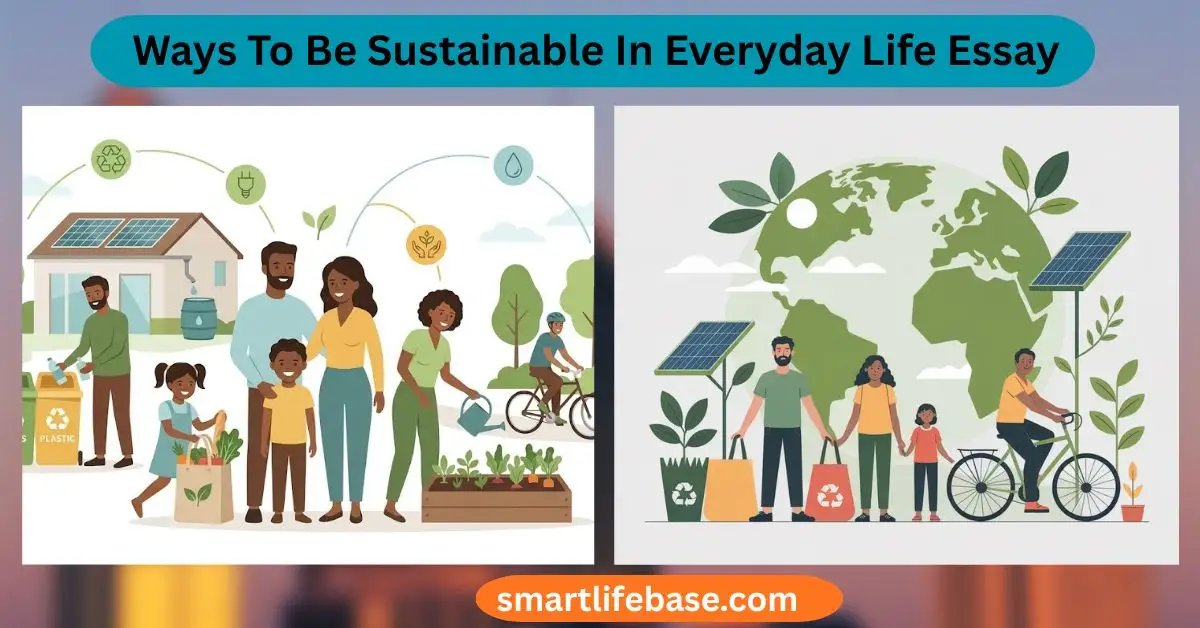
Practical steps for greener living every day. Ways To Be Sustainable In Everyday Life Essay? Get tips to cut waste, save money, and build eco habits. Choose small daily habits that lower waste, save energy, and support people. You want simple, proven steps that fit real life. As a sustainability writer who has tested these ideas at home and with teams, I will guide you through clear ways to be sustainable in everyday life.
This article explains Ways To Be Sustainable In Everyday Life Essay with practical tips, real examples, and a smart plan you can use today.
.webp)
Source: essayhub.com
What Sustainability Means In Daily Life
Sustainability means meeting needs today without hurting the future. It covers the planet, people, and the economy together. Think of it as living well while causing less harm.
Small choices add up. A shorter shower, a bike ride, or a reused jar can make a big difference over time. If you are writing a Ways To Be Sustainable In Everyday Life ” essay, start with this clear meaning and why it matters.
I use a simple rule. Do the next best step you can keep. Then repeat it until it feels natural.
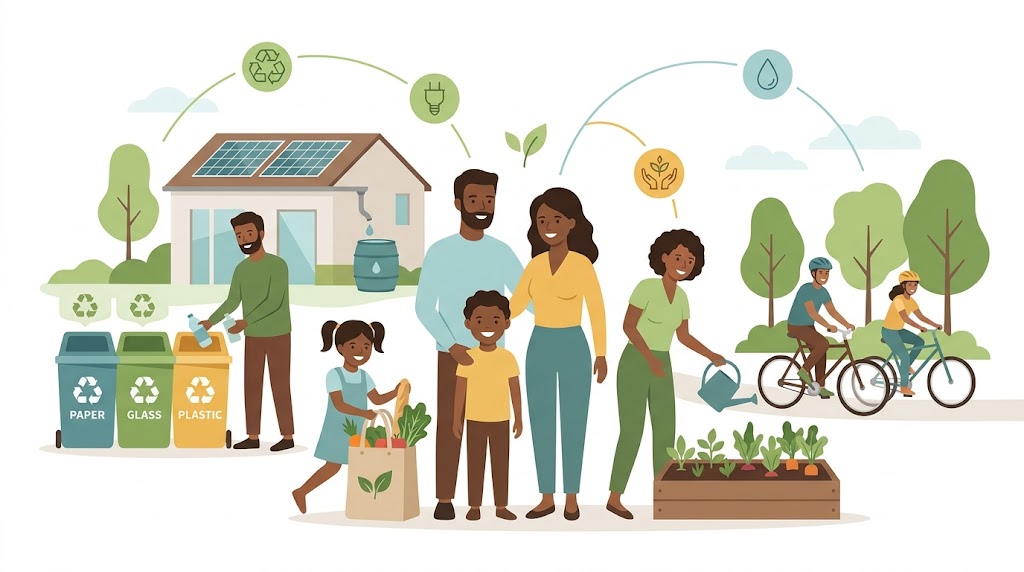
A Simple Framework: The 5 Rs And The 3 Es
The 5 Rs help guide daily choices.
- Refuse. Say no to single-use items you do not need.
- Reduce. Buy less, choose better, and cut waste at the source.
- Reuse. Use durable items, refill, and repair gear.
- Repair. Fix before you replace, even with basic patches.
- Recycle. Sort well, but use it as a last step.
The 3 Es help you focus.
- Energy. Use less power and choose efficient options.
- Eating. Choose low-impact food and cut food waste.
- Errands. Move in cleaner ways, like walking or shared rides.
When I coach teams, I share this framework first. It makes Ways To Be Sustainable In Everyday Life Essay? feel simple and clear.

Source: issuu.com
Home Energy And Comfort
Home energy drives a large part of a personal footprint. Start with easy wins, then plan for bigger upgrades.
Quick wins
- Switch to LED bulbs. They use far less power and last far longer.
- Use smart strips. Cut standby power from TVs, consoles, and chargers.
- Wash with cold water. Most laundry energy heats water, not spins the drum.
- Air dry when possible. Dryers are power-hungry.
- Set your thermostat wisely. A small change saves energy and money.
Deeper changes
- Seal air leaks and add insulation. This helps in both hot and cold weather.
- Service HVAC each season. Clean filters improve airflow and cut power use.
- Consider a heat pump when you replace systems. They can move heat more efficiently than they create it.
- Add window shades or film. Keep heat out in summer and in during winter.
- Choose efficient appliances with trusted labels. Check energy use before you buy.
Personal note: I cut my bill by swapping 20 bulbs to LEDs and using a smart strip for my desk. It took one hour. The savings showed up the next month. If you draft a Ways To Be Sustainable In Everyday Life Essay, highlight these quick, proven steps.

Source: youtube.com
Water Wise Living
Fresh water is limited in many places, and hot water drives energy use.
- Fix drips fast. Small leaks waste a lot of water over the year.
- Install low-flow showerheads and aerators. You keep comfort while using less.
- Take shorter showers. Use a simple timer goal.
- Run full loads in dishwashers and washers. Fewer cycles save water and energy.
- Choose native or drought-tolerant plants. They need less water and care.
- Sweep patios instead of hosing them down. It is faster and cleaner.
I keep a small bucket in the shower to catch warm-up water. I use it for plants. It is simple, free, and saves gallons.
Source: implasticfree.com
Sustainable Food Choices
Food shapes health and climate. Focus on what you eat and what you waste.
Eat for the planet and your wallet
- Make plants the base of your meals. Even a few plant-based days a week help.
- Buy local and seasonal when you can. It can cut transport emissions.
- Choose less red meat. Ruminants have higher footprints per serving.
Waste less food
- Plan meals before you shop. Use your list to avoid impulse buys.
- Store food properly. Learn how to keep greens crisp and bread fresh.
- Cook once, eat twice. Batch cook and freeze extra.
- Love your leftovers. Make bowls, soups, and wraps from scraps.
- Compost food scraps if your town allows it. It keeps organics out of landfills.
In my home, a simple “eat-first” box in the fridge cut waste by a third. For a Ways To Be Sustainable In Everyday Life Essay, food is a key section with clear wins.

Source: uniwriter.ai
Mobility And Travel
Moving people and goods has a big impact. The greenest mile is the one you do not drive.
Daily travel
- Walk or bike for short trips. It is quick, healthy, and low-cost.
- Use public transit when it fits. Work, study, or relax on the way.
- Carpool with neighbors or co-workers. One car, many errands.
Smart driving
- Combine errands into one loop. Warm engines run more efficiently.
- Keep tires at the right pressure. It saves fuel and tire wear.
- Drive steadily and slow down. Hard starts and stops burn more fuel.
Bigger choices
- Consider an electric or hybrid car when you replace your vehicle.
- Fly less. Use trains or video calls when you can.
- When you must fly, choose direct routes. Take-off and landing use more fuel.
If you are writing a Ways To Be Sustainable In Everyday Life Essay, note that skipping just one short drive each day adds up to real cuts in fuel use.

Source: hbr.org
Waste Less: Circular Habits
Aim for a circular mindset. Keep products and materials in use as long as possible.
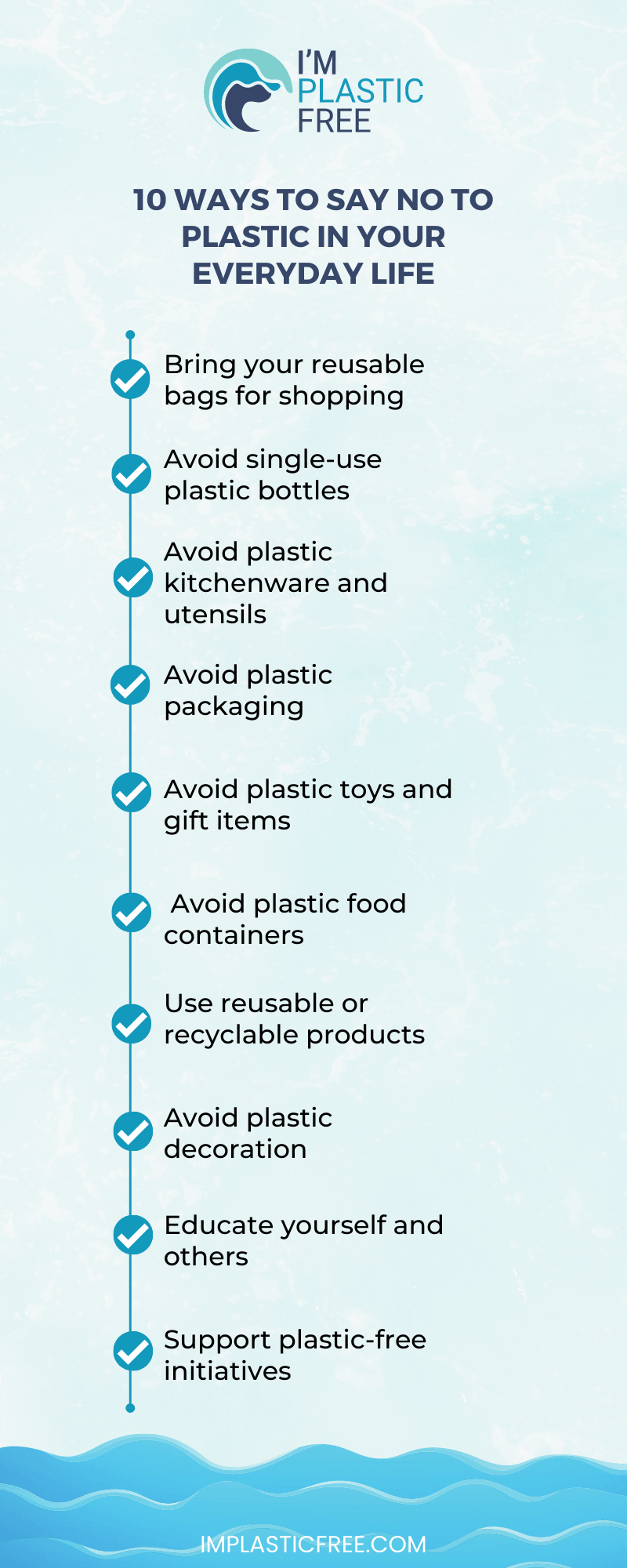
- Carry a bottle, mug, and cutlery. You skip single-use items without stress.
- Use refill stores for soap and cleaners. It reduces plastic waste.
- Borrow or rent tools for rare jobs. Many cities have lending libraries.
- Choose quality over quantity. Buy fewer, better items that last.
- Repair clothes and gear. A simple stitch or glue can add years.
- Shop secondhand first. Save money and avoid new production.
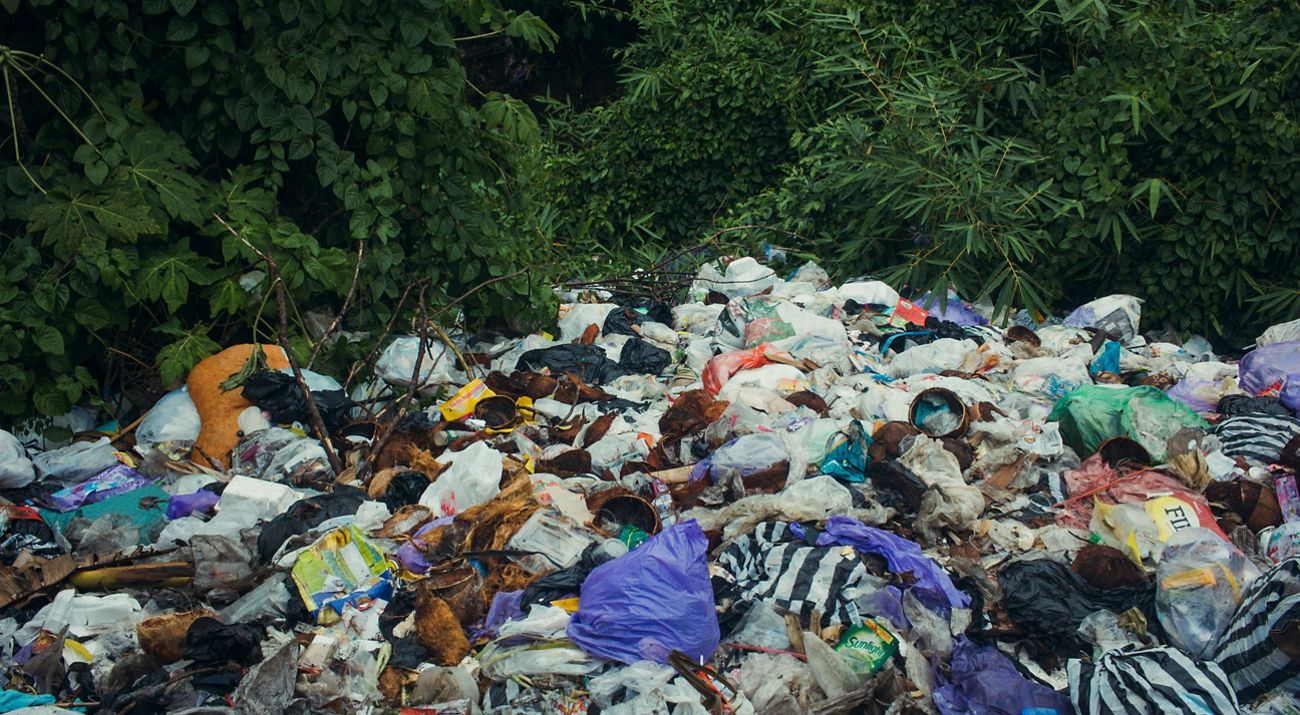
- Recycle right. Rinse, sort, and learn local rules. Do not wish-cycle.
I repaired my backpack strap with a simple needle and thread. It took 10 minutes and saved a favorite item from the trash. Share a story like this in a Ways To Be Sustainable In Everyday Life Essay to inspire readers.
Source: nature.org
Digital And Money Footprints
Our screens and savings shape impact too.
Digital choices
- Extend device life. Keep phones and laptops longer with care and upgrades.
- Clean your cloud. Delete large files and old emails you do not need.
- Stream over Wi‑Fi, not cellular. It often uses less energy.
- Choose green web hosts when you run a site or blog.
Money choices
- Bank and invest with institutions that back clean energy. Check their climate policies.
- Support companies with clear social and environmental standards.
- Ask your workplace retirement plan about sustainable options.
If you mention finance in a Ways To Be Sustainable In Everyday Life Essay, add a note on risk and returns. Stress that people should do their own research.
Community, Workplace, And Advocacy
Change grows when we act together.
- Join a local clean-up, garden, or bike group. Meet neighbors and build momentum.
- Start a green team at work. Track wins and share tips in team chats.
- Ask your school, HOA, or landlord for upgrades. LEDs and better bins help a lot.
- Back local policies for safe streets and clean air. Show up and speak with respect.
My neighborhood added shaded bike racks after a few calm emails and a shared photo map. Small actions build trust and results. A Ways to Be Sustainable in Everyday Life Essay should show the power of community.
Measuring Impact And Staying Motivated
What gets measured improves.
- Use a personal carbon calculator. Track travel, energy, and food.
- Set one-month goals. Keep them small and clear, like “meat-free Mondays.”
- Stack habits. Brew coffee at home while you prep a bike bag.
- Celebrate wins. Note the money saved and time gained.
- Share progress with a friend. Accountability beats willpower.
Expect trade-offs. Not every step will fit every life. Be honest about limits, note what works, and keep going.
Common Myths And Traps To Avoid
Avoid these common pitfalls.
- Recycling fixes everything. It helps, but reducing and reusing matter more.
- Eco products always win. Buying less is often greener than swapping stuff.
- Offsets erase any flight. Use them with care and cut flights first.
- All-or-nothing thinking. Progress beats perfection in the long run.
- Greenwashing claims. Look for clear data, certifications, and proof.
Call out these traps in a Ways To Be Sustainable In Everyday Life Essay to build trust.
A Real-Life Weekly Plan You Can Copy
Here is a simple, repeatable week. It fits a busy life.
- Monday. Plan dinners and write a short shopping list.
- Tuesday. Switch five bulbs to LEDs and set a power strip.
- Wednesday. Pack a bottle and a mug for the next two days.
- Thursday. Try a plant-based dinner and save leftovers for lunch.
- Friday. Walk or bike for one errand within a mile.
- Saturday. Do a closet or drawer audit. Repair or donate one item.
- Sunday. Batch cook grains and beans. Set laundry to cold.
This plan makes Ways To Be Sustainable In Everyday Life Essay? real and doable.
Frequently Asked Questions of Ways To Be Sustainable In Everyday Life Essay?
How do I start a Ways to Be Sustainable in Everyday Life Essay?
Open with a clear definition and your reason for caring. Add one personal story and one data point to build trust fast.
What daily actions have the biggest impact?
Focus on how you move, what you eat, and your home energy. These areas drive most personal emissions and costs.
How can I measure my progress?
Use a simple tracker for energy, miles, and food waste. Review once a month and pick one next step.
Is sustainable living expensive?
Many steps save money, such as using LEDs, cold washes, and fewer impulse buys. Some upgrades cost more up front but pay back over time.
What should I avoid mentioning as a cure-all?
Avoid saying recycling or offsets solve everything. Stress reducing, reusing, and making smarter choices before anything else.
Conclusion
Sustainable living is a set of small, steady habits. Choose what fits, keep it simple, and build from there. Energy, food, transport, and waste are your core levers, and they work in any home or budget.
Pick one idea from this guide and try it this week. Then add a second next week. If this helped, share it, subscribe for more tips, or leave a comment with your own best habit.