
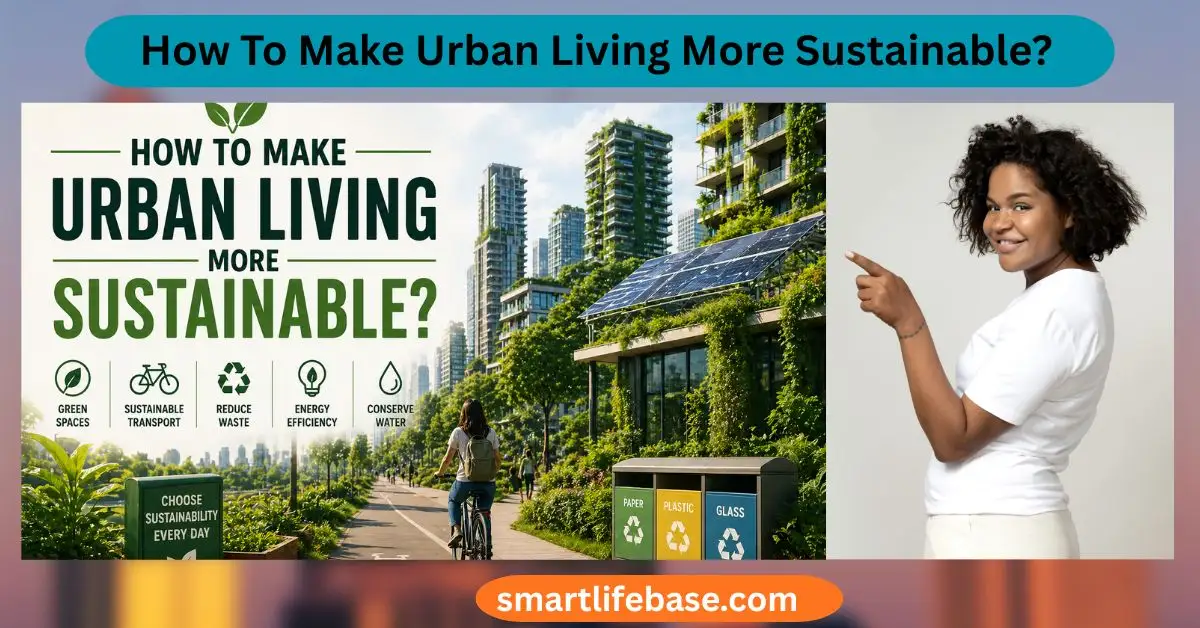
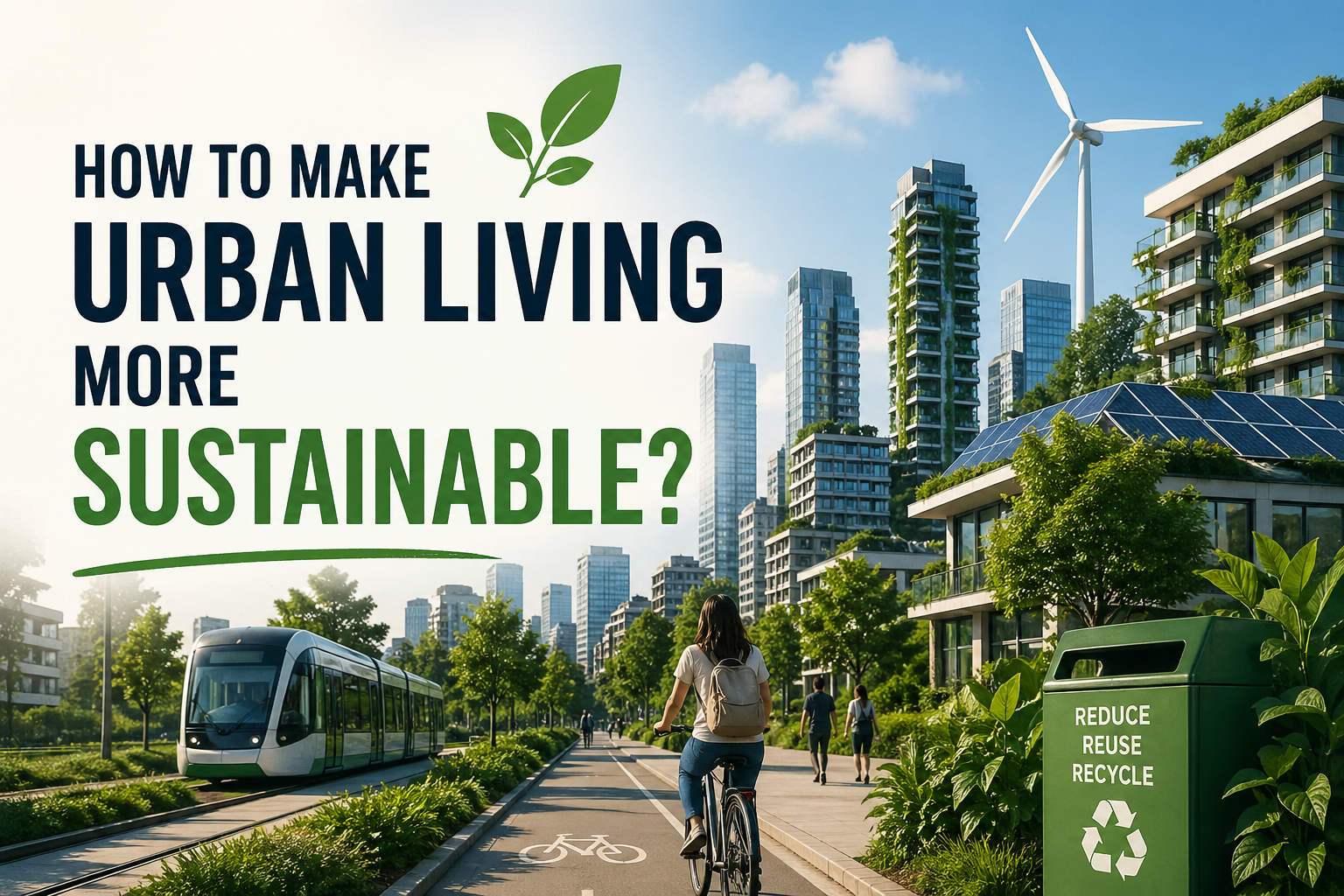
How To Make Urban Living More Sustainable? Get practical tips on energy, transport, waste, and community to cut costs, live greener, and thrive in the city. Choose clean transit, efficient homes, local food, and shared resources daily. If you have ever asked yourself How To Make Urban Living More Sustainable?, this guide is for you. I have led city projects, advised building owners, and tried these ideas at home.
Here, you will get clear steps, real examples, and data-backed tips you can use today. Keep reading to learn how to turn your block, your building, and your habits into a force for good.
Source: moreno-web.net
What Sustainable Urban Living Means
Sustainable urban living means meeting daily needs while cutting emissions, waste, and harm. It also means safer streets, clean air, and fair access to jobs and parks. Many readers ask How To Make Urban Living More Sustainable? because cities drive most of our energy use and materials. A smart plan balances people, planet, and local budgets.
Key pillars include:
- Low-carbon transport with safe walking, biking, and transit
- Efficient, all-electric buildings powered by clean energy
- Zero waste and circular systems that keep materials in use
- Water savings and nature-based solutions for heat and floods
- Healthy food systems with short supply chains
- Inclusive policies and funding that scale what works
Why this focus:
- Buildings drive a large share of urban emissions when you count energy and materials.
- Transport is a major source of air pollution and climate gases.
- Heat, drought, and flooding are rising in cities due to climate change and paved areas.
Quick search-style answers
Q: How To Make Urban Living More Sustainable?
A: Shift to clean transit, electrify buildings, cut waste, save water, and grow green space.
Q: What is the fastest lever for How To Make Urban Living More Sustainable?
A: Move trips to walking, biking, and transit while improving service and safety.
Q: Is tech required for How To Make Urban Living More Sustainable?
A: Tech helps, but design, policy, and habits do most of the work.

Source: smartcitiesworld.net
Transportation: Move Cleaner, Quicker, Smarter
Transportation is a daily choice and a big lever for change. To answer How To Make Urban Living More Sustainable?, start with trips. Make the clean choice the easy choice.
What works in practice:
- Walk and bike first. Choose routes with safe crossings and protected lanes.
- Use public transit. Buy monthly passes, and combine trips to save time.
- Go multimodal. Pair bikes or scooters with trains for faster door-to-door travel.
- Drive less. If you must drive, carpool, choose an EV, and avoid peak hours.
- Support 15-minute city ideas. Shop local to cut trip length and cost.
Policy and design moves I have seen work:
- Build protected bike lanes on key corridors.
- Give buses priority with lanes and signal timing.
- Price curb parking to match demand and fund street upgrades.
- Add shade trees and lighting on sidewalks for comfort and safety.
Co-benefits:
- Better air quality and fewer asthma cases
- Quieter streets and more space for people
- Money saved on fuel and parking

Source: amazon.com
Buildings and Energy: Cut Use, Electrify, Decarbonize
Buildings run 24/7. That is why they matter to How To Make Urban Living More Sustainable? Weatherization and electrification save the most over time.
Steps for owners and renters:
- Start with an energy audit. Seal leaks, add insulation, and upgrade windows.
- Swap gas for heat pumps. They heat and cool in one system with high efficiency.
- Install induction cooktops. They are fast, safe, and cut indoor air pollution.
- Use smart thermostats and power strips. Set schedules and reduce standby loads.
- Choose LED lighting and Energy Star appliances. They pay back fast.
For larger buildings:
- Commission systems and tune controls every season.
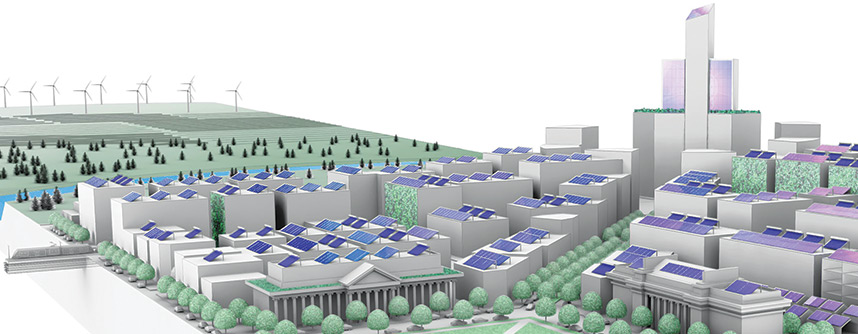
- Add rooftop solar, batteries, or join community solar.
- Explore heat recovery, high-performance envelopes, and green roofs.
- Buy clean power through contracts to cut scope 2 emissions.
Outcomes I have delivered:
- 15–30% energy savings from simple fixes in the first year
- Healthy air upgrades that reduced indoor PM and NO2
- Heat pump retrofits that cut gas use to near zero
Source: envacgroup.com
Waste and Circular Economy at Home and City Scale
Waste shows how a city values materials. For How To Make Urban Living More Sustainable?, design for reuse first, then recycle and compost.
At home:
- Sort right. Keep food scraps out of trash and into compost streams.
- Buy durable goods. Repair before replacing, and use shared libraries.
- Reduce packaging. Choose bulk and refill shops when possible.
- Donate or resell items. Keep them in use and out of landfills.
City actions that work:
- Provide curbside organics collection and clear labels.
- Set building sorting standards and offer bins on every floor.
- Encourage repair cafes and reuse hubs near transit.
- Use pay-as-you-throw pricing to reward less waste.
Why this matters:
- Food waste in landfills emits methane, a strong greenhouse gas.
- Reuse and recycling save energy and money across supply chains.
Source: northwestern.edu
Water: Conserve, Reuse, Protect
Water demand is rising while storms hit harder. A smart water plan is core to How To Make Urban Living More Sustainable?.
Daily steps:
- Fix leaks fast. A dripping faucet can waste gallons a day.
- Install low-flow fixtures. Shower timers help more than you think.
- Capture rainwater for plants where codes allow.
- Use native plants that need less water and care.
Neighborhood fixes:
- Build rain gardens and bioswales to soak up stormwater.
- Add permeable pavements on sidewalks and parking lots.
- Reuse graywater for irrigation in compliant systems.
- Protect watersheds with tree cover and green corridors.
Results I have seen:
- Flooded blocks improved after simple curb gardens and inlets
- Irrigation costs dropped when sites switched to weather-based controls
Food and Urban Agriculture
Food systems link health, climate, and culture. If you ask How To Make Urban Living More Sustainable?, food is a direct, daily lever.
Doable choices:
- Eat seasonal and local when you can.
- Add one plant-rich meal per day.
- Support community gardens and rooftop farms.
- Cut food waste with meal plans and smart storage.
Community tools:
- Farmers’ markets near transit
- Shared kitchens and cold storage hubs
- Compost loops that feed urban soil
What I learned:
- A small balcony herb box cuts my plastic waste
- Office lunches with a plant-first menu won over even skeptics
Source: tes.com
Nature in Cities: Parks, Trees, and Biodiversity
Green space cools heat, cleans air, and lifts moods. It is a key part of How To Make Urban Living More Sustainable?.
Practical wins:
- Plant street trees and care for them in the first three years.
- Use green roofs and walls to insulate and manage stormwater.
- Connect small parks with safe walking paths and bikeways.
- Protect native habitats and pollinator corridors.
Why it works:
- Trees can cool streets by several degrees on hot days.
- Nature improves attention, sleep, and community trust.
Maintenance matters:
- Choose the right species for local climates
- Budget for pruning, watering, and long-term care

Source: worldbank.org
Data, Tech, and Smart City Tools
Good data makes good choices easy. To scale How To Make Urban Living More Sustainable?, measure first and automate the rest.
Tools I rely on:
- Smart meters and sensors to track energy, water, and indoor air
- Open data dashboards to target high-impact blocks
- Mobility apps that combine routes and modes in one place
- Building analytics that spot faults before bills spike
Rules of thumb:
- Start with clear goals and simple metrics.
- Share results with residents to build trust.
- Protect privacy and secure devices from day one.

Source: energy-cities.eu
Policy, Community, and Finance Levers
People want to act. Policy helps them act together. That is how we unlock How To Make Urban Living More Sustainable?.
High-impact levers:
- Update codes to support all-electric new builds.
- Set performance standards for existing buildings.
- Price carbon and congestion to fund transit and rebates.
- End parking minimums and allow mixed-use, mid-rise housing.
Finance that works:
- On-bill financing for energy upgrades
- Green bonds and climate funds for street and park projects
- Utility rebates for heat pumps, EV chargers, and insulation
Community power:
- Co-design projects with local groups
- Share benefits like jobs, trees, and bill savings fairly
Personal Playbook: Daily Habits That Work
Small habits scale when many people join. For anyone asking How To Make Urban Living More Sustainable?, start where you live.
Simple steps:
- Commute two days a week by transit or bike.
- Switch your power plan to a renewable option.
- Set your thermostat a few degrees closer to the season.
- Bring a reusable bottle, mug, and bag.
- Try a buy-nothing group before ordering new.
My routine:
- I bike to meetings within three miles
- I cook with induction and track my energy use monthly
- I give neighbors my extra seedlings each spring
Barriers and How To Overcome Them
Barriers are normal. Solving them is part of How To Make Urban Living More Sustainable?.
Common issues and fixes:
- Upfront costs. Use rebates, low-interest loans, and bulk buys.
- Lack of time. Batch upgrades during planned maintenance.
- Landlord-tenant split. Share savings through green leases.
- Range anxiety for EVs. Use workplace charging and fast-charge hubs.
- Fear of change. Pilot first, measure, and adjust with feedback.
What helps most:
- Clear, simple steps with visible wins in 90 days
- Champions on each block to keep momentum
Mini Case Studies and Lessons Learned
Real results build trust. These notes show How To Make Urban Living More Sustainable in action.
Block retrofit:
- We sealed and tuned a 30-unit building in six weeks.
- Bills fell 22%. Hallways felt warmer. Tenants backed more upgrades.
School streets:
- A pop-up bike lane and slow street near a school cut car drop-offs.
- Morning stress dropped. Local shops saw more foot traffic.
Green roof co-op:
- A roof garden reduced summer heat and managed heavy rain.
- Residents shared harvests and hosted classes for kids.
Lessons:
- Start with the co-benefits people feel now
- Keep data public and simple
- Celebrate quick wins and then scale
Frequently Asked Questions on How To Make Urban Living More Sustainable
What is the first step for a renter?
Start with simple steps like LEDs, smart strips, and induction hot plates. Ask your landlord about weatherization and a heat pump when systems need replacement.
How can a small business go green fast?
Switch to renewable power, upgrade lighting, and set delivery windows to reduce trips. Offer reuse options and clear recycling for customers.
Is an EV always better in a city?
Often yes, but trip reduction beats any car switch. If you drive little, carshare plus transit may save more money and emissions.
Do heat pumps work in cold cities?
Modern cold-climate units work well below freezing. Pair with good insulation and an efficient backup if needed.
How can I convince my HOA or co-op?
Bring simple cost-benefit sheets and case studies. Propose pilots with clear milestones and share results with all residents.
Conclusion
Cities can change fast when people have clear steps and support. You now have tools to move, power, build, eat, and grow in ways that help your block and your budget. Start with one habit this week, then one project this quarter, and share what works.
If this guide helped, explore more resources, subscribe for updates, or leave a comment with your own wins and questions.