
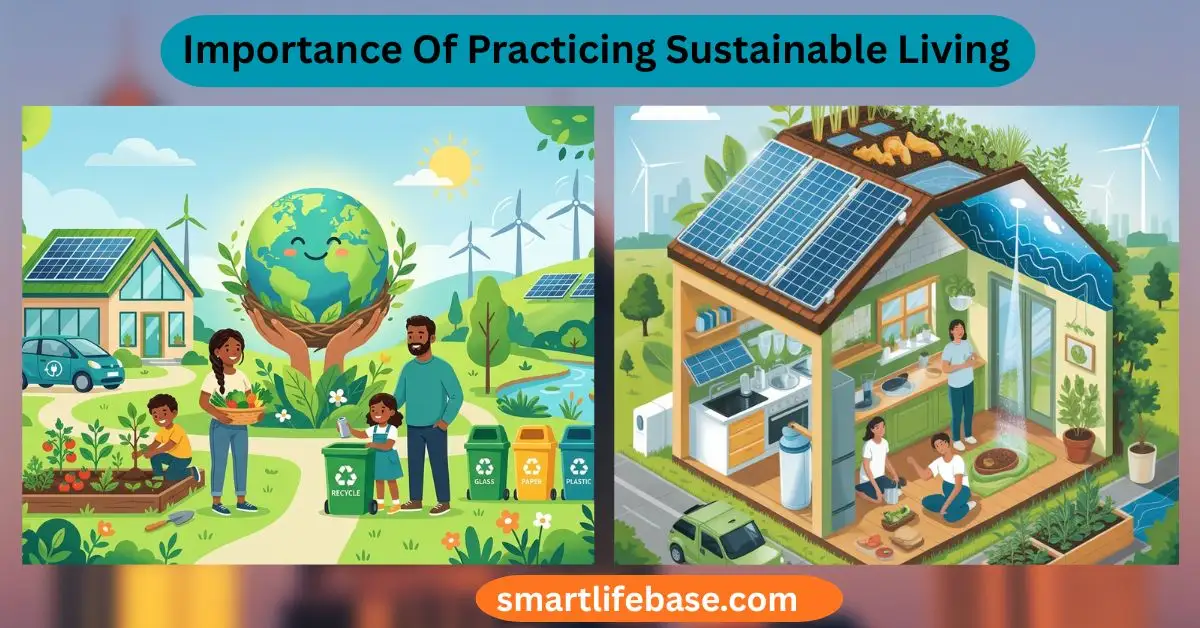
Importance Of Practicing Sustainable Living is your complete 2026 guide to eco-friendly habits, green lifestyle choices, and sustainable development. Learn why sustainable living matters, its benefits for the environment, health, and future generations, plus practical tips to live responsibly today.
Practicing sustainable living protects the planet, saves money, and strengthens health and community. The importance of practicing sustainable living is clear and urgent, yet deeply practical. I have helped families, students, and teams adopt smarter habits that lower costs and stress.
In this guide, I explain what sustainable living means, why it matters, and how to start today with simple, proven steps. If you care about your home, your wallet, and the world you share, this article is for you.
Source: maryville.edu
What Is Sustainable Living?
Sustainable living is a way of life that meets daily needs while protecting future needs. It reduces harm to air, water, soil, and people. It aims for a balance between the environment, society, and the economy.
At its core, sustainable living includes:
- Using less energy and water to cut waste and bills.
- Choosing products that last, repair, and recycle well.
- Eating food that is seasonal, local, and plant-forward.
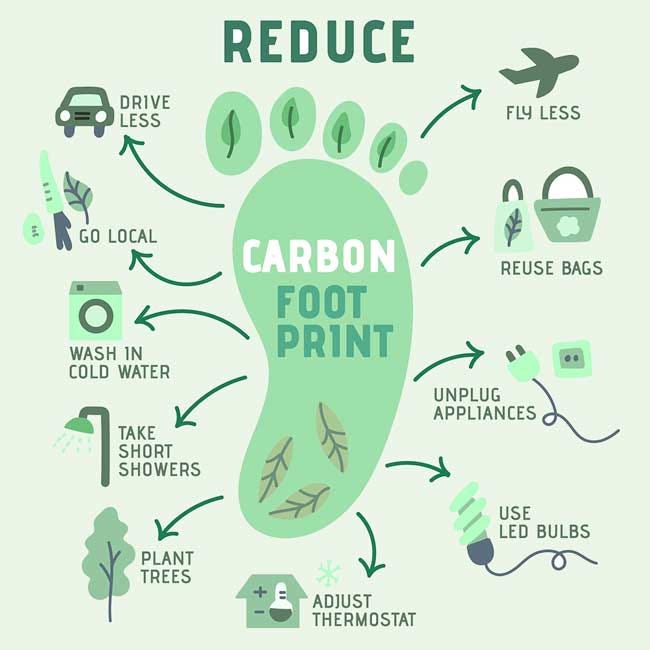
- Travel in ways that lower your carbon footprint.
- Supporting fair labor and fair access for all.
Sustainable living is not about being perfect. It is about steady progress with clear goals. It blends practical actions with smart tools and honest data. It also rejects greenwashing and looks for real impact across a product’s full life.
Source: medium.com
Why Is Practicing Sustainable Living Important?
Sustainable living protects nature and public health. It also builds stronger communities and stable economies. When we use resources wisely, we cut risk, save money, and live well.
Environmental resilience
- Cutting fossil fuel use lowers greenhouse gases. That slows climate change and extreme weather.
- Good land care protects soil, forests, and rivers. That supports farms and wildlife.
- Less waste means less pollution. That keeps oceans and cities healthier.
Social well-being
- Clean air and water reduce illness and medical costs.
- Fair supply chains protect workers and local jobs.
- Simple, shared habits build trust, skills, and safety.
Economic sense
- Efficient homes and devices lower bills for years.
- Repair and reuse grow local services and skills.
- Stable resources reduce price shocks and risk.
Health benefits
- Active travel and plant-rich meals boost heart health.
- Fewer toxins at home reduce asthma and allergies.
- Quiet, green spaces help sleep and reduce stress.
People also ask
Is sustainable living actually affordable?
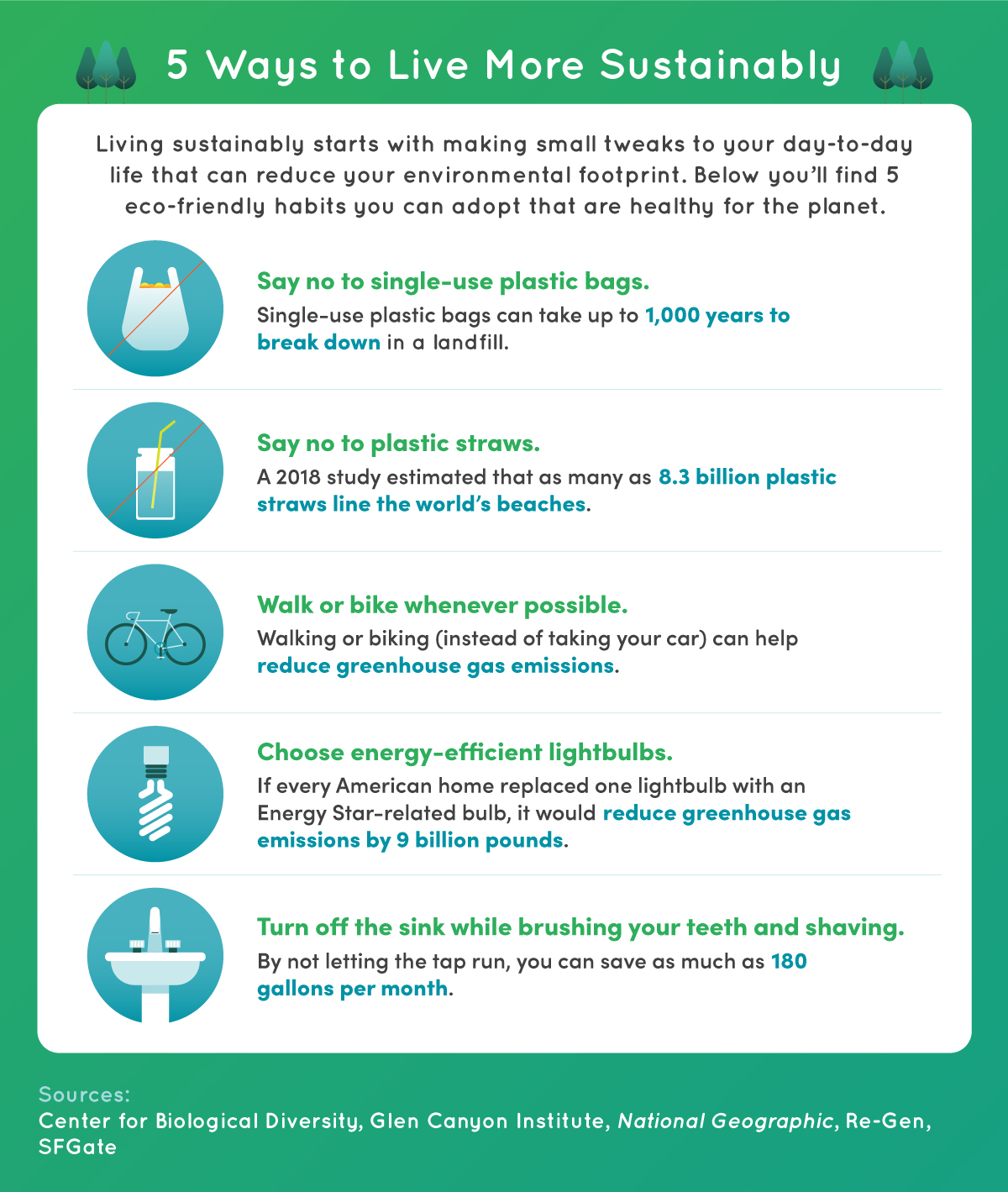
Yes, when you focus on efficiency first. LEDs, smart thermostats, and modest diet shifts cut costs fast.
Do individual actions matter compared to corporations?
Yes. Household demand signals the market and policy. Scaled across millions of people, small actions drive large change.
What are the quickest wins?
Avoid food waste, switch to LEDs, and set a thermostat schedule. These steps are cheap and save money in week one.
Source: amaherbal.com
Measurable Impacts You Can Track
You can measure results from practicing sustainable living with simple metrics. Focus on energy, travel, food, water, and waste. Use utility bills and monthly logs.
- Carbon footprint reductions
- A plant-rich diet can cut food emissions by a large share, as shown in global food studies.
- Replacing a car commute with public transit or biking slashes trip emissions.
- Home efficiency upgrades can reduce heating and cooling use by double digits, based on building research.
- Energy savings
- LEDs use far less power than old bulbs and last much longer.
- Heat pumps deliver efficient heating and cooling in one system, per independent lab tests.
- Smart power strips cut phantom loads from idle electronics.
- Water savings
- Low-flow showerheads and faucet aerators save gallons per day without comfort loss.
- Fixing leaks often pays back within a month.
- Native plants lower outdoor water use and need less care.
- Waste reduction
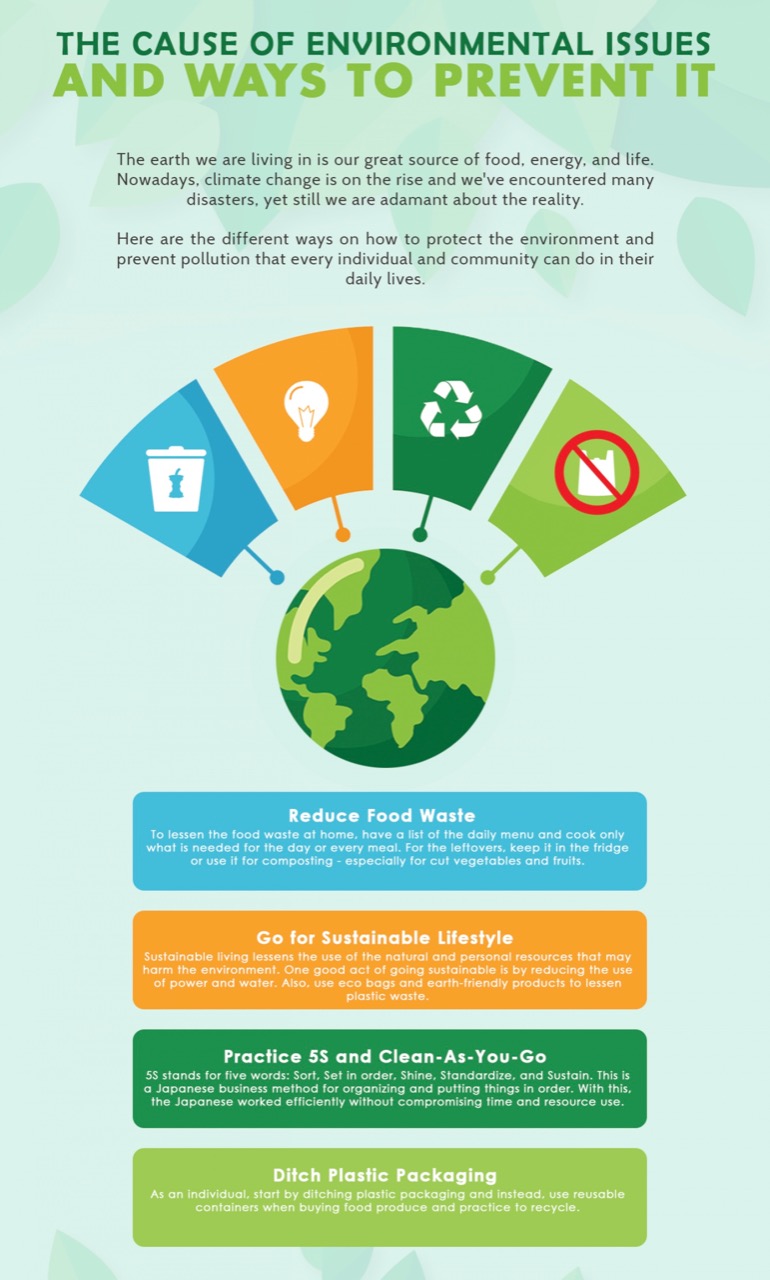
- Composting diverts food scraps from landfills and creates soil.
- Buying durable goods once beats buying cheap items often.
- Proper e-waste drop-off recovers metals and avoids toxins.
- Health and safety
- Better indoor air quality follows from no-idling rules, clean cook options, and houseplants.
- Walkable trips add safe daily movement without gym time.
- Lower noise levels improve focus and sleep.
These claims are supported by national lab tests, public health agencies, and peer-reviewed research. Life cycle assessment is key. It looks at materials, transport, use, and end of life. That gives a full view of impact and helps avoid hidden trade-offs.

Source: edx.org
How To Start Practicing Sustainable Living Today
Start little and track progress. Build a simple plan you can keep.
- Step 1: Audit your use
- Check your last 12 months of energy, water, and fuel bills.
- List big items: heating, cooling, driving, and food waste.
- Step 2: Set goals
- Pick one simple target per area, like 10 percent lower energy use.
- Add a date and define how you will measure it.
- Step 3: Choose five actions
- Mix quick wins and one bigger upgrade.
- Share your plan with a friend for support.
- Step 4: Stack habits
- Tie the new acts to routines you already have.
- Example: Set the dishwasher to run at night when you brush teeth.
- Step 5: Review and adapt
- Check bills monthly and note changes.
- Celebrate progress and reset goals each season.
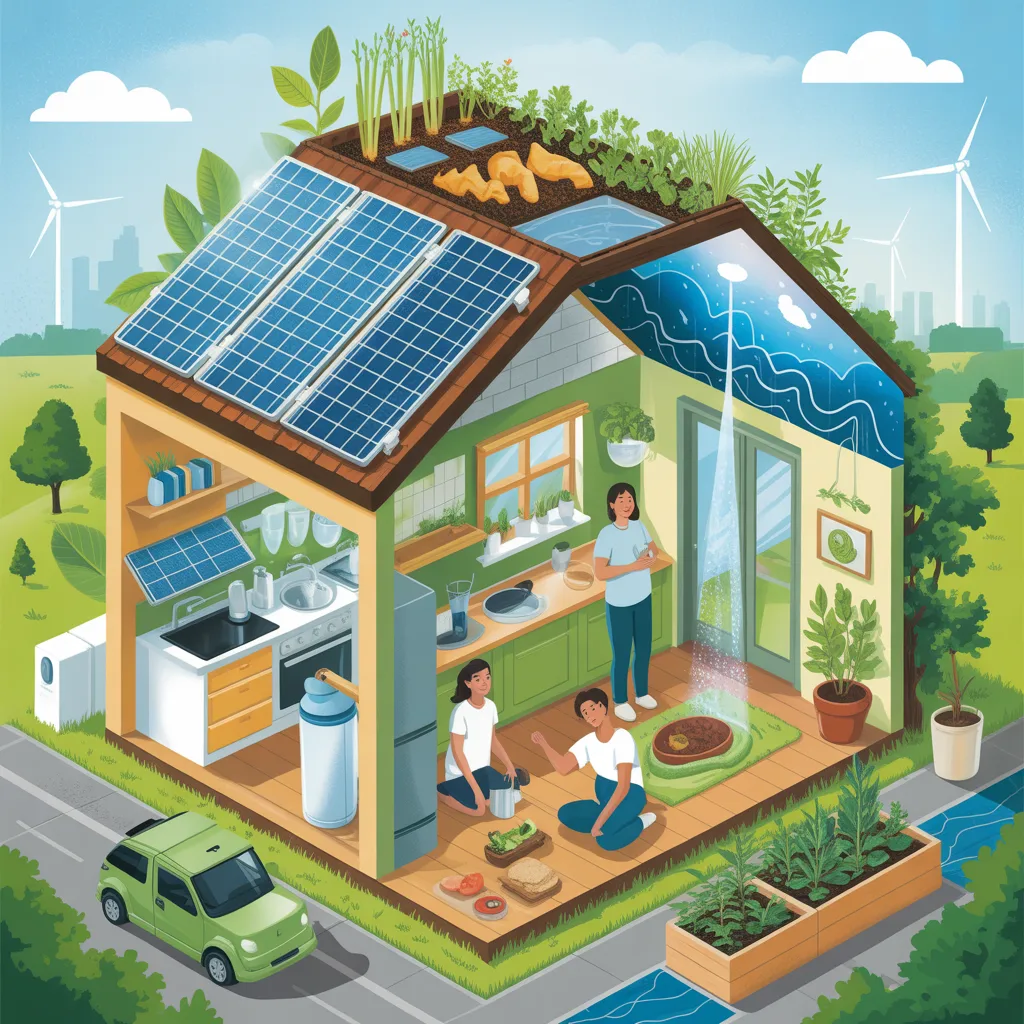
Practical ideas you can use now:
- Home energy and water
- Swap five bulbs for LEDs.
- Set a smart thermostat schedule.
- Seal drafts and clean HVAC filters.
- Install low-flow showerheads.
- Food and kitchen
- Plan meals and store food well to cut waste.
- Shift one meal a day to plant-based options.
- Brew coffee at home and use a reusable mug.
- Transport and travel
- Combine errands and choose the shortest route.
- Walk, bike, or ride transit two days per week.
- When flying, pick direct routes and pack light.
- Stuff and waste
- Borrow, rent, or buy secondhand when you can.
- Repair shoes, zippers, and small electronics.
- Use a simple sort system for recycling and compost.
- Money and advocacy
- Switch to a green power plan if offered.
- Choose banks and funds with clear climate policies.
- Support local policies that add trees and safe bike lanes.
- Digital and data
- Lower screen brightness and use dark mode.
- Unsubscribe from emails you never read.
- Extend device life with care and updates.

Source: shutterstock.com
Barriers, Myths, and Smart Trade-offs
Sustainable living faces a few common doubts. They are real, but you can solve them.
- Myth: It is too expensive
- Fact: Efficiency pays back. Many upgrades have rebates or tax credits. Simple habits are free.
- Myth: My actions do not matter
- Fact: Markets follow demand. Policy shifts when voters act. Social proof is powerful.
- Myth: It lowers comfort
- Fact: Modern tech improves comfort. Good design reduces noise and drafts.
Trade-offs to consider:
- Time versus money
- Cook simple batch meals to save both. Use transit time to read or rest.
- Upfront cost
- Start with no-cost fixes. Save for larger upgrades with a set plan.
- Rebound risk
- Do not spend energy savings on extra use. Keep goals clear and track them.
A smart rule helps: do the most good, the least harm, as soon as you can. Use data, not hype. Choose actions you will keep for years.

Source: nursecheungstore.com
Lessons From My Experience
Over many projects, I learned a few simple truths. Progress sticks when it feels easy and saves time.
- What worked for me
- Switching to LEDs cut my bill and improved light quality.
- A plant-forward lunch each day was simple and tasty.
- Biking short trips saved time in traffic and lifted my mood.
- A compost pail makes food waste drop fast.
- Mistakes I made
- I bought “eco” products that I did not need. Now I buy less and buy better.
- I tried too many changes at once. Now I add one habit per month.
- I ignored maintenance. Filters and seals matter a lot.
- Tips I share with clients
- Measure first. You cannot improve what you do not track.
- Make it visible. Notes on the fridge keep goals top of mind.
- Pair habits. Water plants while the coffee brews.
- Celebrate wins. Share progress with friends or coworkers.
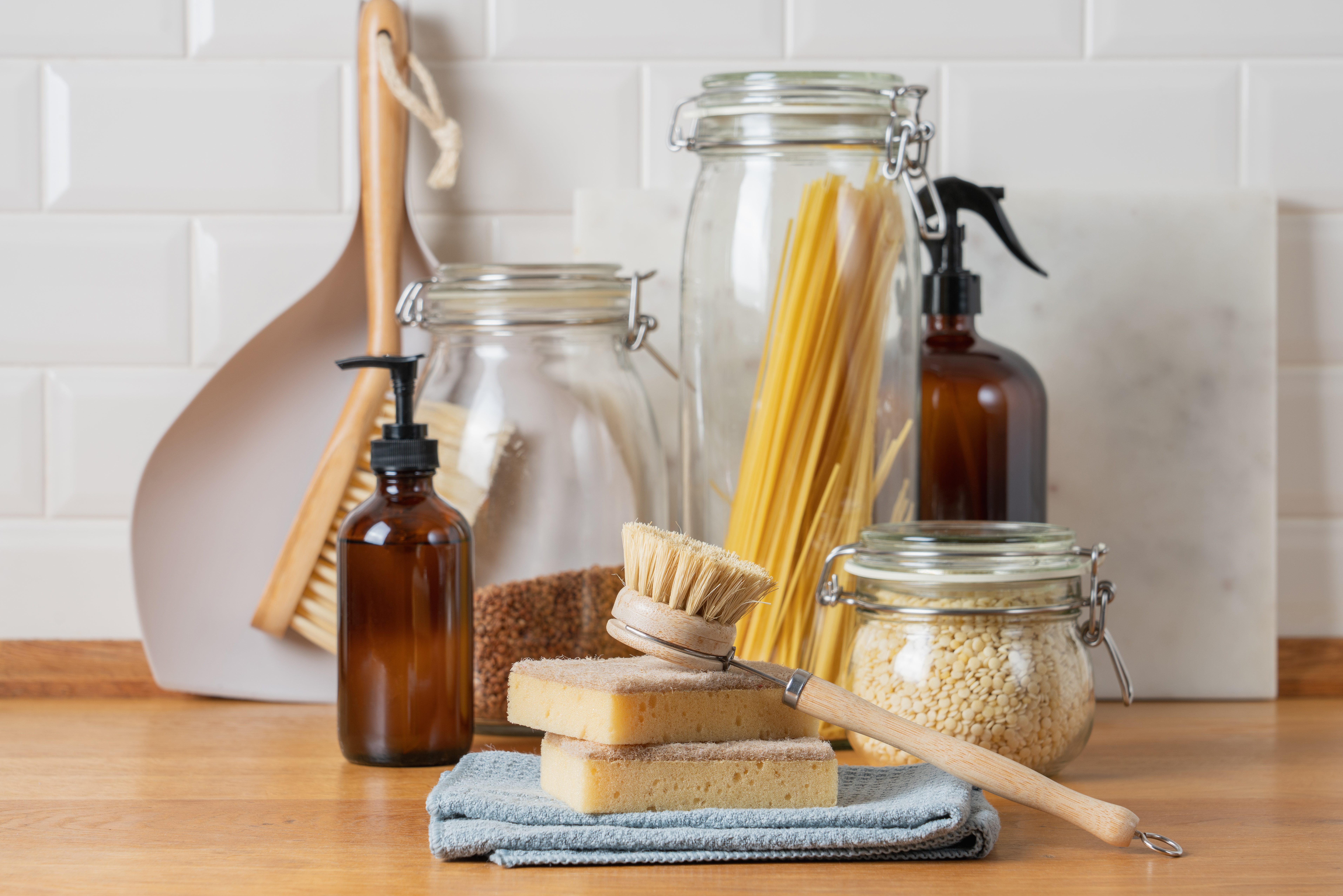
These steps keep practicing sustainable living, human, and real. They also keep it fun. Small changes add up when you keep going.
Source: brookdale.com
Related Concepts You Should Know
Understanding a few terms helps you make better choices. These ideas connect daily acts to bigger systems.
- Circular economy
- Design products to last, repair, and return to use.
- Regenerative agriculture
- Farming that builds soil, stores carbon, and restores water cycles.
- Net zero
- Balance remaining emissions with verified removals.
- Scope 1, 2, and 3 emissions
- Direct, purchased energy, and supply chain emissions.
- Embodied carbon
- Emissions from making and moving materials, like cement or steel.
- Zero waste hierarchy
- Refuse, reduce, reuse, recycle, and rot, in that order.
- Shared mobility
- Carpools, buses, bikes, and scooters that move more people with fewer cars.
Knowing these terms helps you spot greenwashing and find real gains. They also show how your choices shape larger systems.

Source: sustainability-directory.com
Frequently Asked Questions
What is the main goal of sustainable living?
The main goal is to meet today’s needs without harming the future. It protects nature, supports people, and keeps money flows stable.
How does sustainable living save money?
Efficiency lowers bills and maintenance costs. Buying fewer, better items also reduces long-term spending.
Can renters practice sustainable living?
Yes. Focus on LEDs, draft stoppers, smart plugs, and daily habits. Choose transit, borrow tools, and reduce food waste.
What is the difference between sustainable and eco-friendly?
Eco-friendly is a broad label for lower-impact products. Sustainable living is a full lifestyle that includes habits, choices, and long-term outcomes.
Do carbon offsets make a big difference?
Offsets can help, but they are not a first step. Reduce your own emissions first, then choose high-quality, verified offsets.
Which action has the biggest impact at home?
Heating and cooling often top the list. Improve insulation, seal leaks, and set smart schedules.
Is eating local always better for the climate?
Not always. Production method and food type often matter more than distance traveled.
Conclusion
Practicing sustainable living is vital because it protects health, saves money, and strengthens communities. It reduces risk, builds resilience, and makes daily life calmer and fairer. Start with one action today, track it, and add the next step next month.
Choose a quick win now. Swap five bulbs, plan three plant-based meals, or set a thermostat schedule. Share your progress with a friend and invite them to join. If you found this useful, subscribe to more guides, or leave a comment with your first step.