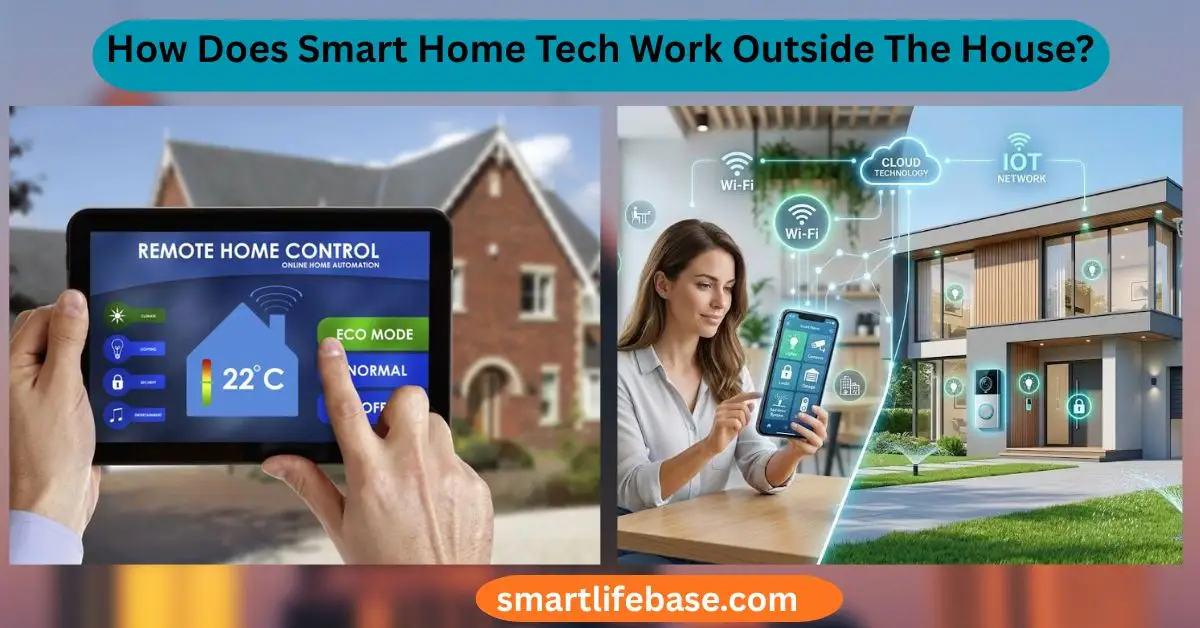
See: How Does Smart Home Tech Work Outside The House? Outdoor cameras, smart locks, garden sensors, and Wi-Fi mesh boost security, savings, and convenience. Outdoor smart home tech uses sensors, wireless links, and cloud or local automation. If you have ever wondered, How Does Smart Home Tech Work Outside The House?, you are in the right place.
I have deployed outdoor cameras, gates, lights, and irrigation across many homes. In this guide, I explain the full stack in plain words. You will see how devices talk, how automations run, and how to plan a secure, stable system that lasts.
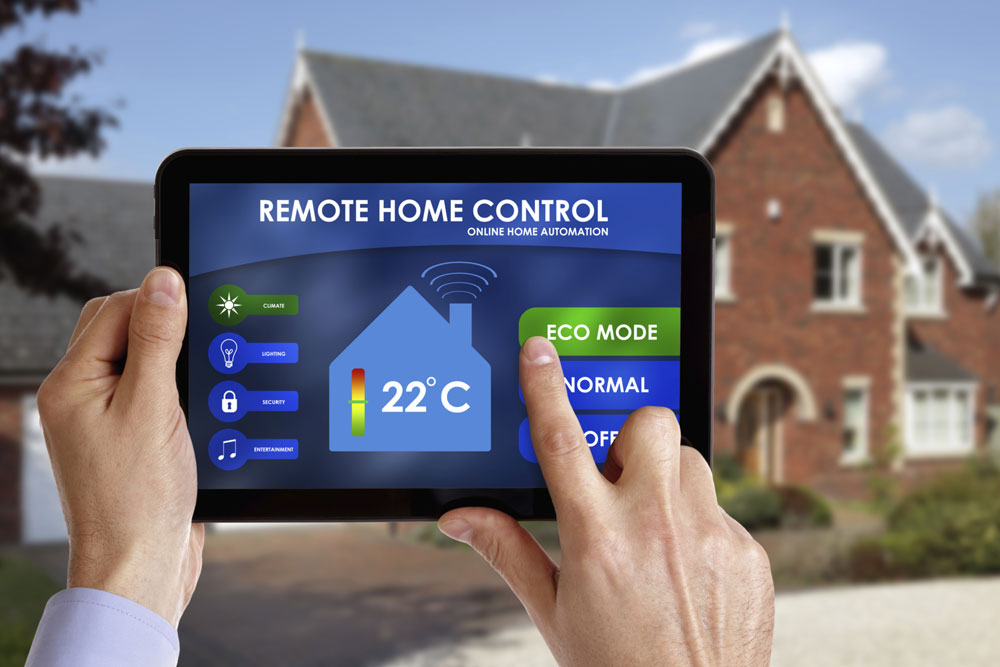
Source: agilityretail.com
What lives outdoors: devices and real use cases
Smart gear does not stop at the front door. Outside, it adds safety, ease, and savings. Think about the driveway, yard, porch, and fence line. Each area can use sensors and controls.
Common outdoor devices include:
- Video doorbells for entry checks and parcel alerts
- Floodlights with motion sensors for safety and light
- Wi‑Fi or PoE cameras for wide views and deterrence
- Smart locks, gates, and garage controllers for access
- Irrigation controllers and soil sensors for water savings
- Weather stations for wind, rain, and UV data
- Outdoor speakers and displays for patios
- Pool, spa, and sauna controllers for comfort and safety
- Robot lawn mowers for low‑effort yard care
- EV chargers and outdoor outlets for power control
The big question many ask is, How Does Smart Home Tech Work Outside The House? It does so by sensing, sending data, and acting on rules. The same logic applies to most devices, with extra care for weather, power, and range.
Source: skygroup.sky
The building blocks: sensors, actuators, and data flow
Every outdoor system follows a simple loop. Sense the world, decide, and act. That is how security, comfort, and energy control come together.
Core parts you will meet:
- Sensors detect motion, sound, light, rain, soil moisture, or door state.
- Actuators turn on lights, unlock gates, open garages, and run valves.
- Controllers run the logic. They live in a hub, app, or cloud.
- Data paths link devices to the hub or cloud, then to your phone.
If you ask, How Does Smart Home Tech Work Outside The House?, picture a chain. A motion sensor fires, a rule checks time and presence, and a floodlight turns on. A camera starts recording, and you get a push alert. The loop is fast if logic runs local. It can be slower if it runs in the cloud.
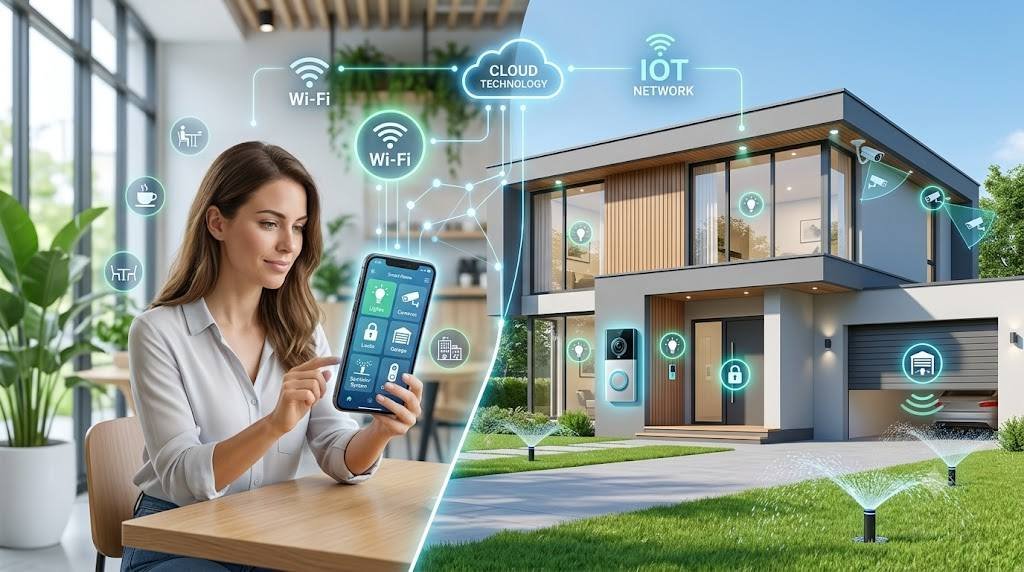
Connectivity explained: Wi‑Fi, Thread, Zigbee, Z‑Wave, and cellular
Outdoor gear talks over radio. Some use your network. Some make their own mesh. Each option has trade‑offs for range, speed, and power.
Main options you will see:
- Wi‑Fi for cameras, doorbells, and high data needs
- Thread for fast, low‑power mesh under Matter
- Zigbee and Z‑Wave for legacy mesh devices
- Bluetooth for setup and short links
- PoE for cameras that need power and stable data on one cable
- LTE/5G for gates and rural spots with weak Wi‑Fi
A key point in How Does Smart Home Tech Work Outside The House? is mesh. Thread and Zigbee let nodes pass messages for each other. Lights near the house repeat signals to a gate at the curb. This improves range and saves battery. Wi‑Fi works well for video, but it needs strong outdoor coverage.
Power, weatherproofing, and placement
Outdoors adds harsh sun, rain, wind, dust, bugs, and cold. Good gear is rated for this life. The label makes the difference between a device that lasts years and one that fails in a season.
What to look for:
- IP65 or better for water jets and dust; IP67 for brief submersion
- UV‑stable plastics and sealed gaskets
- Wide temp range, often −4°F to 122°F or more
- Drip loops on cables to keep water from wicking into ports
- Bird and pest guards for cables and vents
Power matters too. Cameras and lights do well on wired power or PoE. Battery devices are fine if events are rare. Solar helps gates and sheds. Place sensors under eaves if you can. That cuts glare, water hits, and false motion from trees. How Does Smart Home Tech Work Outside The House? It thrives when power is steady, and weather sealing is sound.

Source: amazon.ae
Network planning and security best practices
A strong outdoor plan starts with signal. Many homes rely on one indoor router. That is not enough for yards or long driveways.
Steps I use on client jobs:
- Add outdoor‑rated access points on soffits or in garages
- Use mesh or wired backhaul to avoid speed loss
- Aim 2.4 GHz for range; use 5 GHz for high data near the house
- Choose directional antennas for gates or detached buildings
- Run PoE to fixed cameras for uptime and clarity
Security is key. Put all IoT on a separate network or VLAN. Use WPA3 and long, unique passwords. Enable two‑factor on cloud accounts. Keep remote access behind a secure app or VPN. Update firmware on a set schedule. These moves protect you when you ask, How Does Smart Home Tech Work Outside The House?, because the answer depends on safe links and smart defaults.
Automation ideas that actually help
Outdoor rules should be clear and safe. They should run fast and fail well. Simple scenes can add real value without daily fuss.
Ideas to try:
- Arrival scene turns on path lights and unlocks the door when your phone is near at night
- Motion at the driveway starts a camera clip and brightens floodlights
- Wind above 20 mph pauses irrigation and closes awnings
- Rain forecast trims watering by 30% to save water
- Nighttime porch chime mutes to avoid sleep breaks
I often test rules for a week before I hand them off. I also add cooldowns to avoid alert spam. For example, one driveway alert every 5 minutes. This is how I explain How Does Smart Home Tech Work Outside The House? It works best when rules are simple, local if possible, and kind to your routine.

Source: amazon.sa
Privacy, consent, and legal checks
Cameras and mics see more than your home. Be a good neighbor and know the rules. Ask yourself what you would want if roles flipped.
Best practices:
- Use privacy zones and mask sidewalks and neighbor yards
- Set short video retention and clear alert rules
- Turn on encryption at rest and in transit
- Post a small notice when recording in shared spaces
- Get consent for shared access and audio if local law needs it
Claims need proof. Many devices now offer end‑to‑end encryption and local storage. Check the app for options. When we ask, How Does Smart Home Tech Work Outside The House?, a fair answer includes limits on data, clear consent, and control over who sees what.

Source: com.au
Installation lessons and mistakes to avoid
I have made mistakes so you do not have to. Small changes at install time save hours later.
What I learned on real jobs:
- Test Wi‑Fi at the mount point before you drill
- Aim cameras to avoid sun glare and street headlights
- Mount motion sensors at chest height for people, lower for cars
- Label every cable, breaker, and PoE port
- Keep spare batteries and desiccant packs in the gear box
The most common miss is power. A camera that reboots in winter is a pain. Use proper gauge wire, weather‑rated boxes, and strain relief. When folks ask, How Does Smart Home Tech Work Outside The House?, I say it works great when the basics are solid.

Source: amazon.com
Compatibility, Matter, and ecosystem choices
Platforms matter. Apple Home, Google Home, Amazon Alexa, and SmartThings all support outdoor gear. Matter and Thread now bridge gaps and cut setup pain.
How I choose:
- If you use iPhone and like privacy, Apple Home with Thread is strong
- If you want broad device choice, Alexa and Google shine
- If you need rules with power, SmartThings and Home Assistant are flexible
- Pick brands that pledge Matter support for future proofing
A clear plan avoids lock‑in. Start with a hub you trust, then add devices that list your hub and Matter. That is a simple way to answer, How Does Smart Home Tech Work Outside The House?, with a focus on long‑term ease.
Reliability, maintenance, and troubleshooting
Outdoor tech takes a beating. Build a care plan. It keeps things stable through seasons.
Do this on a set schedule:
- Clean camera lenses and light sensors each month
- Check seals, cable strain, and rust each quarter
- Update firmware twice a year after reading notes
- Recalibrate irrigation after big landscaping changes
- Use a small UPS for the router and PoE switch
If something fails, start simple. Check power, then network, then app rules. Keep a log of changes. Many issues trace to weak Wi‑Fi, low batteries, or glare. How Does Smart Home Tech Work Outside The House? It keeps working when you give it light, steady care.
Budget, ROI, and upgrade roadmap
Outdoor projects can be lean or large. You can start small and scale. Set a budget for gear, install, and upkeep.
Typical ranges I see:
- Smart doorbell: low cost, big impact on parcels and visits
- Two PoE cameras and switch: mid cost, strong security gain
- Irrigation controller with sensors: mid cost, water bill drops fast
- Gate opener with LTE: higher cost, handy for couriers and guests
Track results. Water savings may cover the controller in one season. Insurance may offer a discount for cameras. Score your alerts to cut noise. A clear plan shows How Does Smart Home Tech Work Outside The House. It works best when it pays off in time, money, and peace.
Frequently Asked Questions of How Does Smart Home Tech Work Outside The House?
Do outdoor smart devices need a hub?
Some do, and some do not. Cameras often run on Wi‑Fi alone, while Thread or Zigbee sensors may need a hub for mesh and rules.
Will weather ruin my outdoor camera?
Not if it has the right rating and is mounted well. Choose IP65 or higher, keep it under eaves, and seal cables.
Can I run everything without the cloud?
Yes, with the right gear. Local hubs and NVRs can store video and run rules, but remote control may need a secure tunnel.
How do I boost Wi‑Fi to the backyard?
Add outdoor access points or a mesh node near the yard. Use wired backhaul or PoE if you can for stable speed.
Is Matter ready for outdoor devices?
Many new outdoor plugs, lights, and sensors now support Matter and Thread. Check the device spec to confirm before you buy.
Conclusion
Outdoor smart tech can be simple, strong, and secure when you plan the basics. Map devices, ensure solid power and signal, set clear rules, and protect privacy. With those steps, the system will feel calm and helpful, not noisy or fragile.
Start with one zone, like the porch or driveway. Prove the value, then expand to lights, water, and gates. If this guide helped you see the path, subscribe for more tips or leave a comment with your next project.