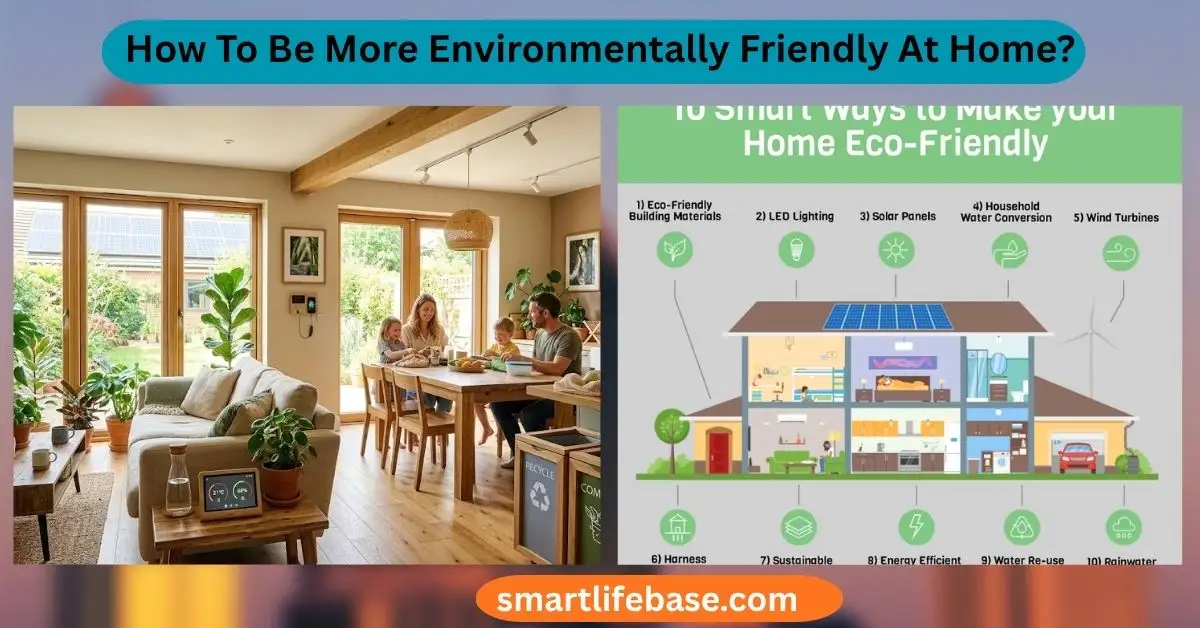
How To Be More Environmentally Friendly At Home? Get easy, money-saving tips, eco swaps, and a 7-day action plan to cut waste and energy—start greener living. Start by cutting energy use, saving water, shrinking waste, and buying less but better. If you have asked How to Be More Environmentally Friendly at Home?, you are in the right place.
I help households design practical, science-backed routines that lower bills and carbon footprints without turning life upside down. This guide blends research with real results from my own home and clients, so you can move from good intentions to action that sticks.
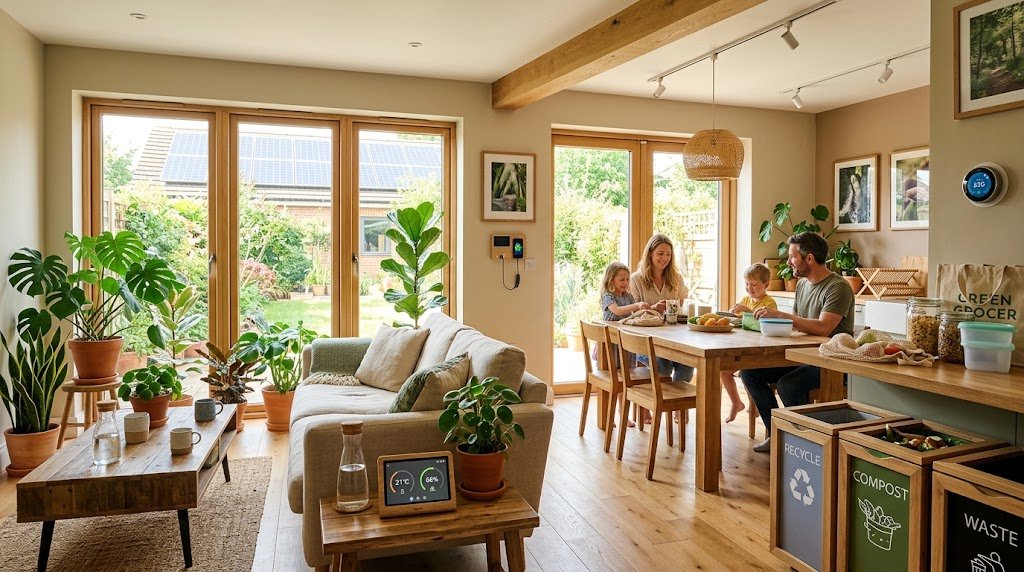
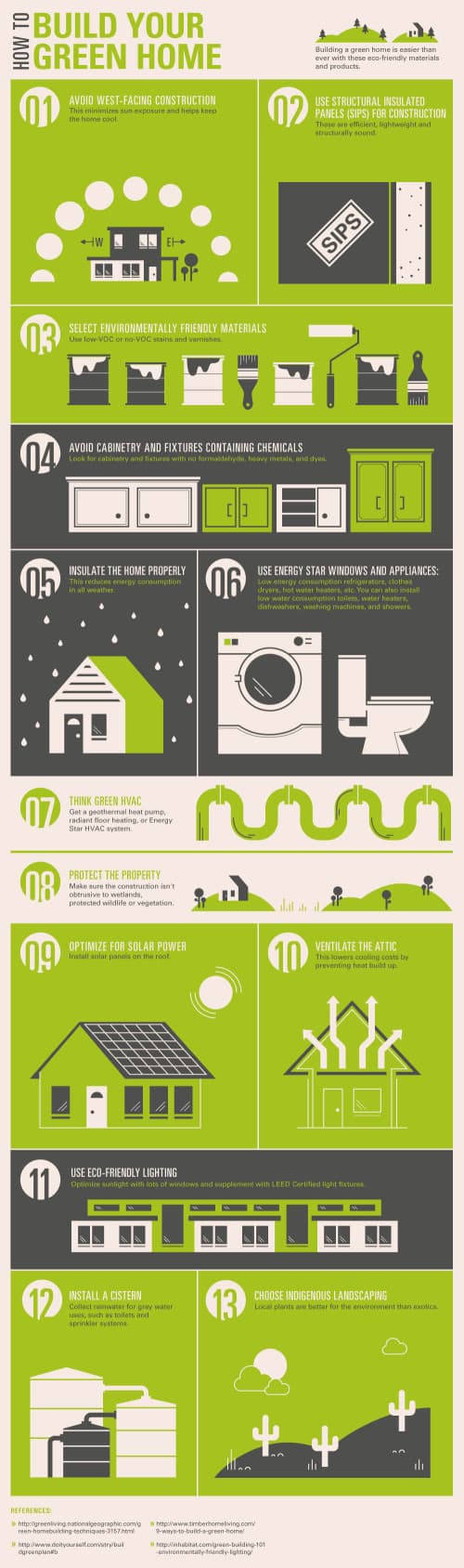
Start With A Simple Home Footprint Check
Before you change things, learn where your impact comes from. Most homes use the most energy on heating and cooling, then hot water, then appliances and lighting. Waste and food choices add more carbon. A quick audit shows your best wins.
Try this 30-minute check:
- Review the last 12 months of energy and water bills. Note the highest months.
- Walk room to room. List big users: HVAC, water heater, fridge, washer, dryer.
- Note leaks, drafts, and old bulbs. Check faucet and toilet flow rates.
- Weigh your trash for one week. Track what you throw most.
If your aim is How To Be More Environmentally Friendly At Home?, this baseline will point to changes with the biggest payoff first.
Source: co.uk
Energy Efficiency You Can Do This Week
Electricity you do not use is the greenest of all. Many homes can cut power 10–30% with simple moves.
Quick upgrades with fast payback:
- Swap to LED bulbs. They use up to 75% less energy than old bulbs and last for years.
- Use advanced power strips. Set them to switch off TVs and game consoles when idle.
- Set your fridge to 37–40°F and freezer to 0–5°F. Clean coils yearly for better efficiency.
- Wash laundry in cold water. Modern detergents clean well without heat.
- Dry on racks when you can. If you use a dryer, clean lint screens and use sensor-dry.
Smart controls and comfort:
- Set back your thermostat when you sleep or are away. A 7–10°F setback for 8 hours can save up to 10% a year.
- Use ceiling fans to feel cooler at higher setpoints. Turn them off when you leave the room.
- Seal drafts around doors, windows, and outlets. Small gaps waste a lot of heat or cool.
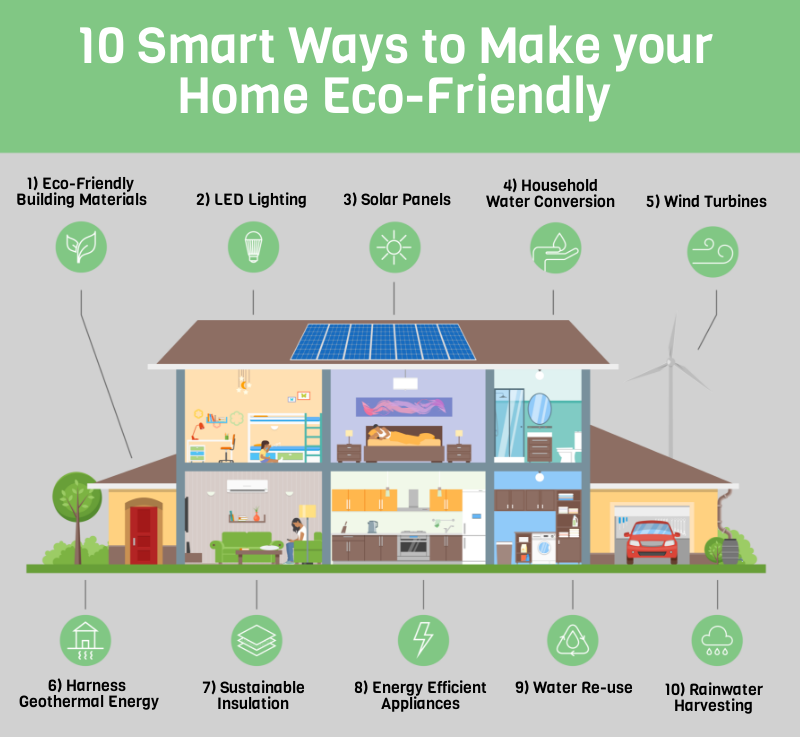
From my own home: swapping 28 bulbs to LEDs cut about $7 per month. A smart strip under my desk stopped phantom load from a printer and speakers. If you wonder How To Be More Environmentally Friendly At Home, start with these quick energy wins.
Source: schiverein-steyr.at
Use Water Wisely Without Sacrifice
Hot water takes energy. Fresh water is also scarce in many regions. You can save both without losing comfort.
Fixtures and fixes:
- Install WaterSense showerheads. Good models keep strong spray at about 2.0 gallons per minute.
- Fit faucet aerators in kitchens and baths. They are cheap and easy to install.
- Fix leaks fast. A slow drip adds up to hundreds of gallons a month.
- Set your water heater to 120°F. It is safe and saves energy.
Daily habits that stick:
- Take shorter showers by one or two minutes.
- Run full loads in the dishwasher and washer.
- Keep a jug of cold water in the fridge to avoid running the tap.
My family switched to a high-efficiency showerhead. No one noticed a comfort drop, but our bill did. If your goal is How To Be More Environmentally Friendly At Home?, water savings are low effort and high return.
Source: superior-hardwoods.com
Waste Less: Reduce, Reuse, Recycle, Compost
Trash costs money to haul and adds methane in landfills. Reducing what you buy is best. Then reuse, then recycle, then compost.
Simple steps:
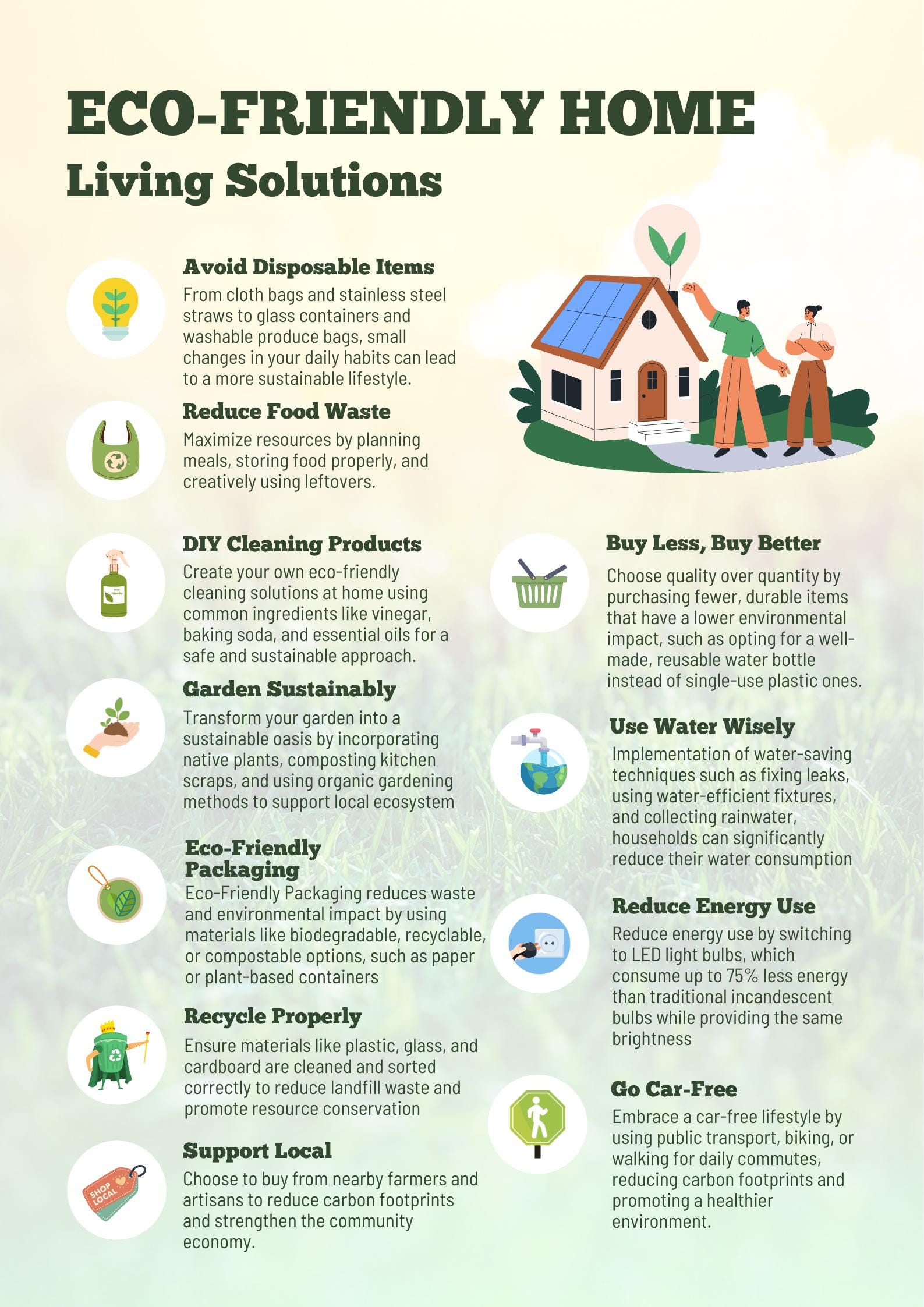
- Say no to single-use items. Carry a bottle, mug, and tote bag.
- Buy in bulk where it makes sense. Use refill stations for soap or detergent.
- Set up clear bins for recycling. Post a list of what is accepted in your area.
- Start a compost system. Try curbside service, a backyard bin, or bokashi for small spaces.
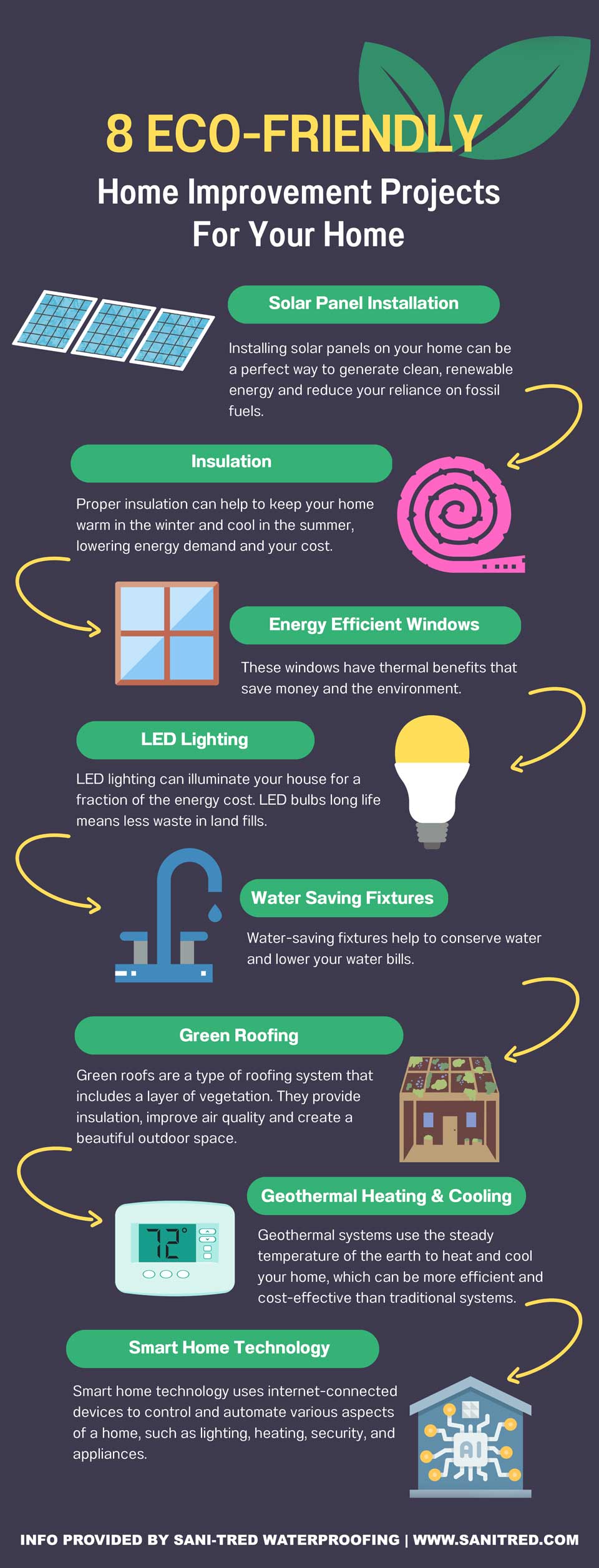
What works for us: a small compost caddy on the counter and a weekly freezer bag for scraps. We cut our trash by almost half. If you ask How To Be More Environmentally Friendly At Home?, managing waste is a powerful lever you can pull today.
Source: sanitred.com
Cook And Eat With A Lower Footprint
Food is a big slice of home emissions. Choices in the kitchen can make a fast difference and improve health.
Better shopping and storage:
- Plan meals and make a list. You will buy less and waste less.
- Store produce right. Keep greens dry, onions and potatoes in a cool, dark place.
- Eat what you have. A weekly “fridge cleanout” meal saves money and food.
Greener cooking:
- Favor plant-forward meals a few days a week. Even small shifts lower emissions.
- Use lids and match pot size to burners. Pressure cookers and microwaves save energy.
- If you can, switch to an induction cooktop. It is fast, safe, and very efficient.
I trialed a two-burner induction hob for six months. Boiling water was faster than gas, and my kitchen stayed cooler. For anyone searching How To Be More Environmentally Friendly At Home?, the kitchen is full of quick wins.
Source: superior-hardwoods.com
Choose Safer, Greener Cleaners And Improve Air Quality
The products you use touch your skin, your air, and your drains. Safer options work well and reduce pollution indoors and out.
What to use:
- Pick third-party certified cleaners when you can. Look for labels that screen for toxins.
- Try simple staples like vinegar, baking soda, and castile soap for many tasks.
- Use concentrates and refill bottles. You cut plastic and transport emissions.
Healthy habits:
- Vent when you clean, cook, or shower. Run exhaust fans for 10–20 minutes.
- Skip air fresheners. Open windows, use plants, or simmer citrus peels for scent.
- Vacuum with a HEPA filter to catch fine dust.
In our tests, a basic DIY glass cleaner worked as well as store brands and cost less. If you need guidance on How To Be More Environmentally Friendly At Home?, safer cleaners are a smart, low-cost swap.
Source: elemental.green
Heat, Cool, And Weatherize For Year-Round Savings
Comfort matters. The trick is to keep the heat or cool where you want it and waste less.
Seal and insulate:
- Add weatherstripping to doors and caulk gaps around windows.
- Insulate attics and crawl spaces if levels are low. Focus on the attic first in most homes.
- Close fireplace dampers when not in use.
Smarter systems:
- Service HVAC yearly and change filters on schedule.
- Use programmable or smart thermostats to match your lifestyle.
- If you are replacing systems, consider high-efficiency heat pumps. They heat and cool from one unit and run on electricity.
A weekend spent sealing drafts in my 1950s house cut cold spots and reduced furnace run time. If you are exploring How To Be More Environmentally Friendly At Home?, weatherization delivers lasting gains.
Source: etsy.com
Tame Your Home Office And Electronics
Gadgets sip power even when “off.” Small changes add up across many devices.
Practical steps:
- Put your desk gear on a master switch. Turn it off when you leave.
- Set computers to sleep after 10 minutes. Lower screen brightness.
- Choose ENERGY STAR certified monitors, printers, and routers.
Charging and streaming:
- Unplug chargers when not in use. Many draw power even when idle.
- Stream over Wi‑Fi, not cellular, when at home. It uses less device energy.
I measured my idle office setup at 24 watts. A smart strip dropped that to near zero at night. If you are asking How To Be More Environmentally Friendly At Home, tackle standby power next.
Source: amazingarchitecture.com
Buy Less, Buy Better, And Embrace The Circular Economy
Every new item has a hidden footprint from raw materials to shipping. Be mindful, and you will save money and waste less.
Mindful buying:
- Pause 24 hours before non-essential buys. Most impulses fade.
- Choose durable, repairable goods. Check for spare parts and warranties.
- Prefer recycled or upcycled materials when available.
Extend life:
- Repair, don’t replace. Mend clothes, reglue soles, swap batteries.
- Sell or donate what you no longer need.
- Borrow or rent tools and party gear used rarely.
I now share a ladder and pressure washer with neighbors. We all spend less and own less clutter. For those focused on How To Be More Environmentally Friendly At Home?, smarter buying is key.
Greener Yard, Balcony, Or Windowsill
You do not need a big yard to make a difference. Any space can support nature.
What to plant and how:
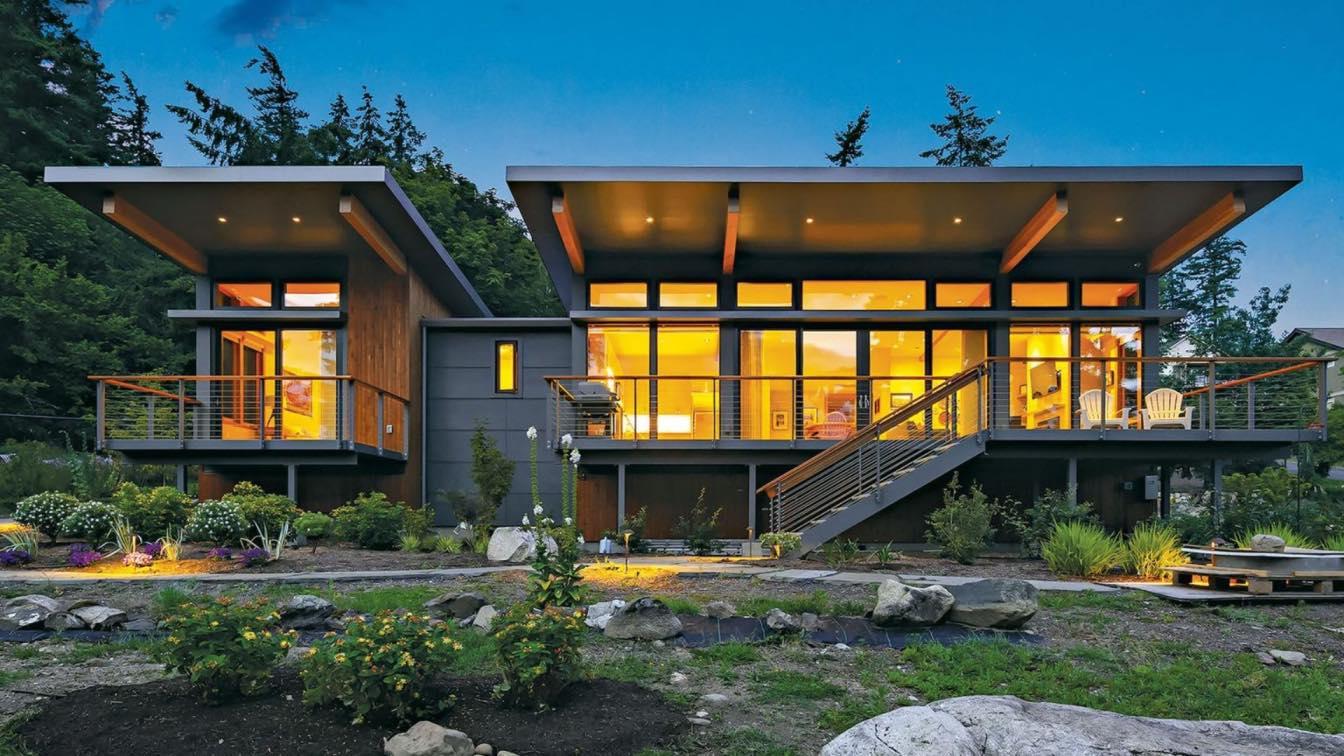
- Grow native plants. They need less water and help pollinators.
- Mulch to hold moisture and reduce weeds.
- Avoid synthetic pesticides when possible. Spot-treat only if needed.
Water and mow smarter:
- Water early in the morning and less often but deeper.
- Set mower blades higher to shade soil and keep lawns healthier.
- Collect rainwater where allowed and safe.
A small herb box on my balcony cut plastic herb packages and food waste. If How To Be More Environmentally Friendly At Home? is your question, even a windowsill garden helps.
Incentives, Rebates, And The Money Case
Green choices often pay back. Many utilities and local programs offer rebates for upgrades.
Where to look:
- Check your utility for rebates on LEDs, smart thermostats, and heat pumps.
- See if tax credits apply to insulation, windows, or renewable systems.
- Ask about free energy audits. They often include low-cost kit items.
Run the numbers:
- Calculate payback: upfront cost divided by yearly savings.
- Bundle projects to reduce contractor costs.
- Track bills before and after to confirm savings.
Clients who stacked rebates for a heat pump water heater cut the price by half and saved each month. If you seek How To Be More Environmentally Friendly At Home?, incentives can speed up your plan.
Make Habits Stick With Simple Systems
Lasting change comes from systems, not willpower. Design your home to make green choices the easy ones.
Set yourself up:
- Keep reusable bags and bottles by the door.
- Place compost and recycling bins where you cook.
- Use labels and checklists so everyone knows the routine.
Involve your household:
- Pick one habit per week to build. Celebrate small wins.
- Share the “why” with kids and roommates. Make it a team effort.
- Review progress monthly. Adjust what does not work.
In my home, a simple “Sunday setup” keeps us on track for the week. If you are still wondering How To Be More Environmentally Friendly At Home, focus on one habit at a time and build from there.
Frequently Asked Questions About How To Be More Environmentally Friendly At Home?
What is the fastest change I can make today?
Swap the five most-used bulbs to LEDs and set your thermostat schedule. These take minutes and save energy right away.
How do I cut my water use without cold showers?
Install a quality low-flow showerhead and fix leaks. You will keep comfort while saving hot water and energy.
Is recycling still worth it?
Yes, when you follow local rules. It keeps materials in use and reduces the need for new raw resources.
Which appliance upgrade saves the most?
A high-efficiency heat pump or heat pump water heater often delivers the largest cuts. Pair with insulation and smart controls for best results.
How can renters be more eco-friendly at home?
Focus on portable steps like LEDs, smart strips, low-flow fixtures, draft blockers, and habits. Ask your landlord about rebates for larger upgrades.
Do plant-based meals really help the planet?
Yes. Shifting even a few meals per week reduces emissions and saves water compared to meat-heavy diets.
How can I keep indoor air clean while saving energy?
Vent when cooking and cleaning, use HEPA vacuuming, and choose safer cleaners. Seal drafts but keep spot ventilation.
Conclusion
Small steps add up fast. Start with one or two actions that fit your home, then build momentum as savings show up on your bills. You now have a clear plan for How To Be More Environmentally Friendly At Home with changes that are practical, proven, and budget-smart.
Take the next step today: choose one upgrade, set one new habit, and invite your household to join you. If this guide helped, subscribe for more how-tos, share your wins, or leave a comment with your toughest home challenge.