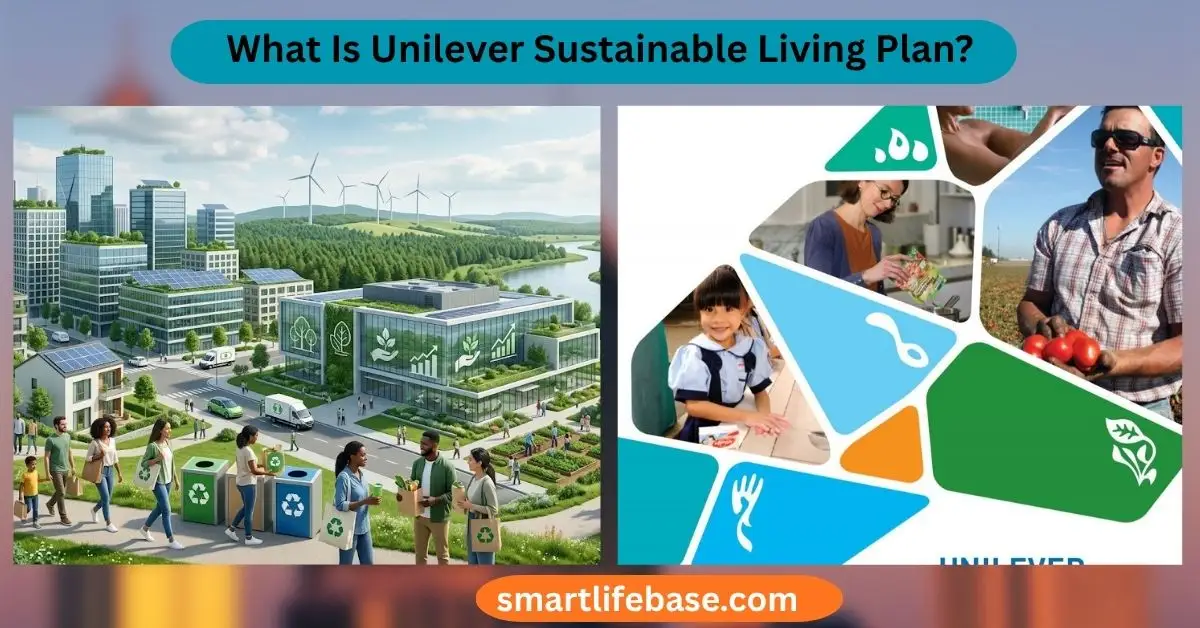
Get a clear, human-first breakdown of What Is Unilever Sustainable Living Plan?, its goals, pillars, and impact—plus how it shapes responsible growth in 2026. A decade-long plan to grow Unilever while cutting its environmental and social footprint. If you have asked What is Unilever Sustainable Living Plan?, this guide gives you the full story.
I will break down the goals, what changed in 2020, what worked, what did not, and how to apply the lessons. You will get clear steps, useful examples, and balanced insights you can trust.
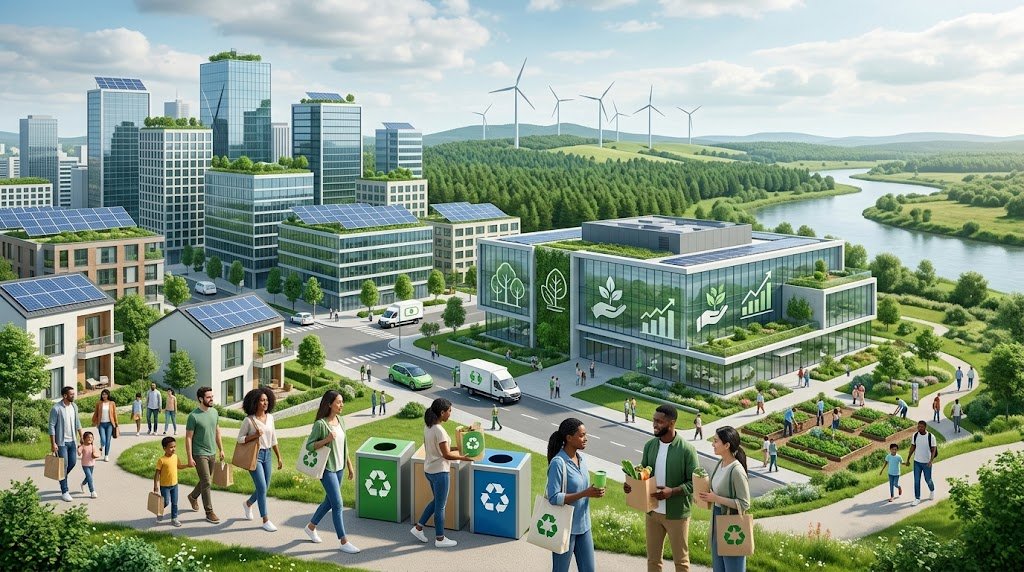
What Is Unilever Sustainable Living Plan? A Clear Overview
What Is Unilever Sustainable Living Plan? It was Unilever’s global sustainability strategy from 2010 to 2020. The aim was bold. Grow the company while reducing environmental impact and boosting positive social outcomes.
The plan set three big goals. Improve health and well-being for over one billion people. Halve the environmental footprint of the making and use of products. Enhance the livelihoods of millions across the value chain.
Put simply, what is the Unilever Sustainable Living Plan? It was a roadmap to decouple growth from harm. It linked brand purpose to measurable action at scale.

Source: forceforgood.co
Origins and Vision: From 2010 Launch to 2020 Wrap-Up
Unilever launched the plan in 2010 under a long-term vision. The world faced climate risk, waste, and social inequality. The company chose to invest for growth with less impact.
The plan ran for a decade. It ended in 2020. It helped set the stage for broader targets that align with the UN Sustainable Development Goals.
After 2020, Unilever moved to the Unilever Compass. That new framework builds on the same core idea. Keep growth and cut harm.

Source: strategicleaders.com
The Three Pillars and Key Commitments
The plan rested on three pillars. Each pillar linked to clear actions and brand programs.
- Improving health and well-being. Scale hygiene and nutrition programs. Back behavior change on handwashing, oral care, and self-esteem. Brands like Lifebuoy, Signal, and Dove led work with schools and communities.
- Reducing environmental impact. Cut greenhouse gas emissions, water use, and waste across product life cycles. Improve packaging and move toward a circular economy.
- Enhancing livelihoods. Source raw materials more sustainably. Support smallholder farmers. Uphold human rights and fair wages across suppliers.
If you still wonder What Is Unilever Sustainable Living Plan?, think of it as a three-part pledge. Health, planet, and livelihoods. All measured, all tied to brands.
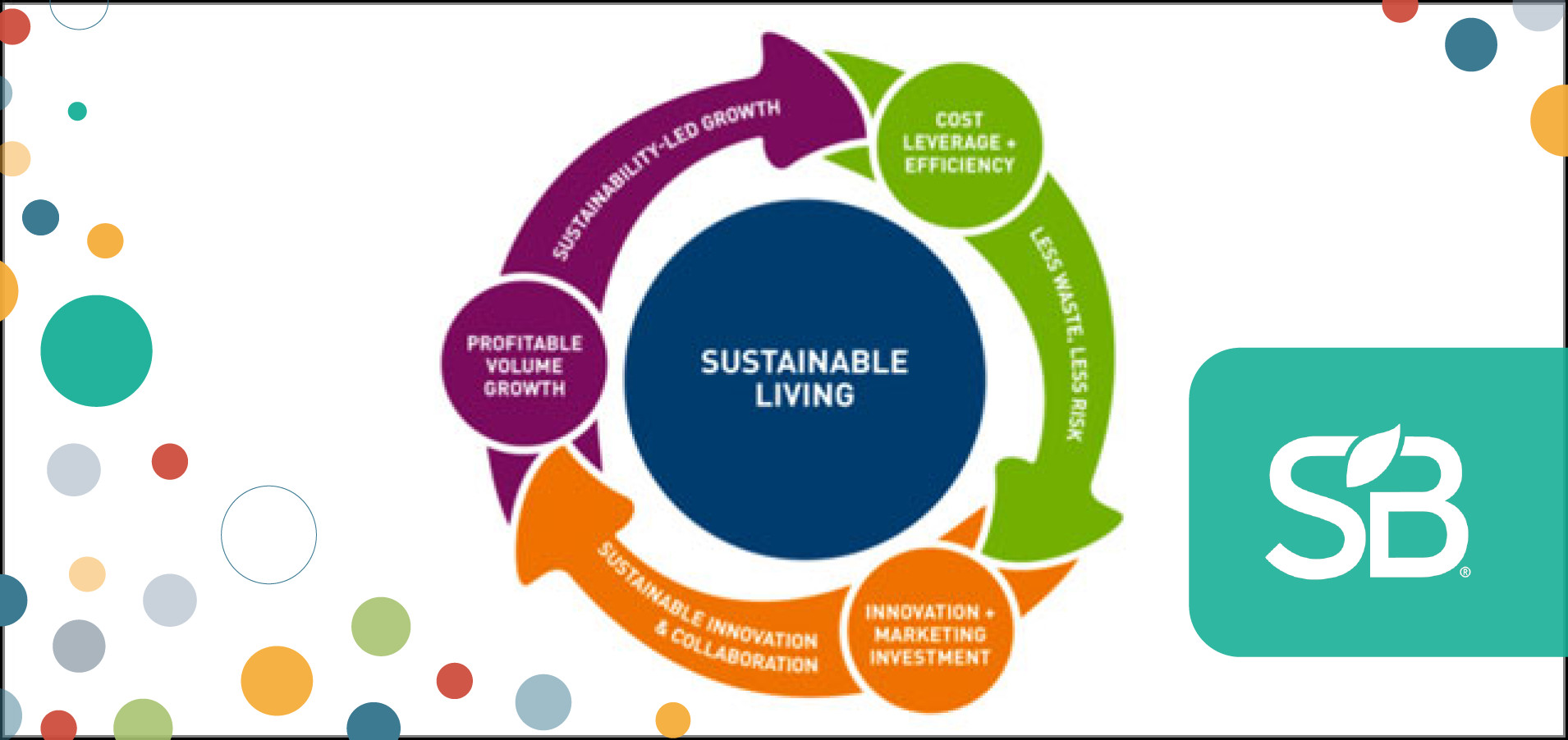
Source: sustainablebrands.com
Targets, Metrics, and How Progress Was Measured
The plan used strong metrics. It tracked impact in operations and across the full product life cycle. That includes Scope 1 and 2 emissions, and key Scope 3 categories.
- Per-consumer-use metrics helped link product design to real-world use.
- Life cycle assessment guided water, waste, and energy hotspots.
- Third-party checks and public reports shared progress and gaps.
Unilever reported major gains in factory energy efficiency and waste cuts. It also reported growth in sustainably sourced agriculture. Some targets were met early. Some were missed. The company shared both.

Source: communitycommons.org
Real-World Impact and Brand Case Studies
Big change needs proof. The plan tied brand purpose to action.
- Dove Self-Esteem Project ran education sessions for young people on body confidence.
- Lifebuoy supported handwashing behavior change at scale with schools and clinics.
- Domestos backed sanitation programs to help end open defecation.
- Knorr promoted Future 50 Foods to boost diverse, lower-impact ingredients.
- Factories cut waste to landfill, and many sites shifted to renewable grid power.
Figures vary by year and market, as reported in public sustainability updates. The lesson is clear. Link brand goals to real programs. Track, learn, and scale.
What Is Unilever Sustainable Living Plan? It is also these brand stories. Purpose with numbers behind it.

Source: x.com
What Changed After 2020: Enter the Unilever Compass
In 2020, the plan closed. Unilever launched the Unilever Compass. It keeps the same core aim. Grow with less impact and more value to society.
The Compass sets targets on climate, nature, plastics, and livelihoods. It adds sharper goals on a just transition, living wages, and positive nutrition. It reflects new science and investor expectations.
So, when people ask What is the Unilever Sustainable Living Plan?, note this. It is the base for the current Compass strategy. The journey did not end. It evolved.

Source: yumpu.com
Business Benefits and Trade-offs
Sustainability is also strategy. When done well, it can drive growth and save costs.
- Risk management. Secure supplies, avoid disruptions, and meet rules.
- Efficiency. Lower energy and water use cuts costs.
- Brand growth. Purpose can build trust and loyalty.
- Talent. People want to work where values are clear.
- Capital. Strong ESG programs can improve access to funding.
Trade-offs exist. Complex supply chains raise data gaps. Targets can be missed. Some changes cost more at first. Product performance, price, and impact must all align.
What Is Unilever Sustainable Living Plan? It is a case study in these trade-offs. It shows both upside and hard edges.
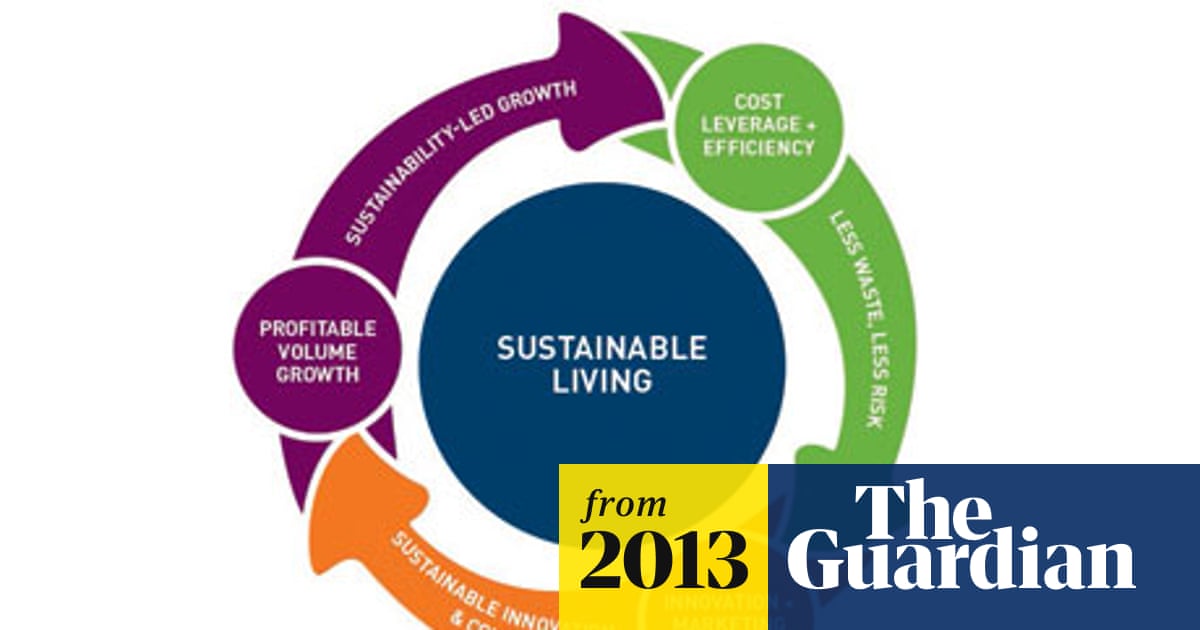
Source: theguardian.com
Common Critiques and How to Read Them
Any large plan draws critique. It is key to read it with care.
- Scope questions. Many impacts sit in consumer use and supplier farms. Data can be hard to verify at scale.
- Greenwashing concerns. Strong claims need clear proof and full context.
- Plastics debate. Gains in recycled content can be offset by high volumes. System change takes time.
- Behavior change. Hygiene and nutrition programs must last and fit local needs.
A fair view holds two truths. The plan raised the bar. And still, gaps and misses must be owned, fixed, and shared.
What Is the Unilever Sustainable Living Plan? It is a bold bet with real wins and honest gaps.
How to Apply the USLP Playbook in Your Organization
You can adapt the core moves to any size team.
- Define the why. Link your mission to clear social and environmental needs.
- Pick three pillars. Health, planet, and livelihoods map well to many firms.
- Set a few big goals. Use science-based targets and life cycle thinking.
- Tie goals to brands. Make each brand own one major program.
- Build metrics early. Track Scope 1, 2, and key Scope 3. Be transparent.
- Pilot, learn, scale. Start small, iterate fast, then roll out.
- Engage suppliers. Set codes, offer training, and share incentives.
- Share progress. Publish what works and what does not. Invite feedback.
Common mistakes to avoid include vague goals, no baseline data, and weak supplier ties. Make it simple, measurable, and tied to the core business.
If a teammate asks, What is Unilever Sustainable Living Plan?, use it as a model. It shows how to turn intent into a system.
How Consumers and Investors Can Engage
Your choices have weight. Here are simple, direct steps.
- Read brand impact pages. Check methods and third-party checks.
- Look for credible standards. Examples include certified palm oil and fair labor audits.
- Support refill, repair, and recycle options. Ask for better where gaps exist.
- Engage as owners. Investors can vote, file proposals, and ask for time-bound targets.
- Reward progress and honesty. Push back on weak claims.
What Is Unilever Sustainable Living Plan? It is also a signal to the market. Demand better, and firms will move faster.
Frequently Asked Questions about the Unilever Sustainable Living Plan?
What is the Unilever Sustainable Living Plan in simple terms?
It is a 2010–2020 strategy that grew Unilever while cutting environmental harm and boosting social good. It set big goals on health, the planet, and livelihoods.
Did the plan meet all of its targets?
No. Some targets were met or exceeded, and some were missed. Unilever shared progress and gaps in its public reports.
How is the plan different from the Unilever Compass?
The Compass replaced the plan after 2020. It updates targets on climate, nature, plastics, and livelihoods and aims to go deeper on system change.
Which brands were most active under the plan?
Brands such as Dove, Lifebuoy, Domestos, Knorr, Ben & Jerry’s, and Hellmann’s ran major programs. Each linked brand purpose to a clear impact goal.
Why do people still ask What is the Unilever Sustainable Living Plan?
It remains a well-known example of a corporate plan at scale. Many teams study it to design their own sustainability roadmaps.
How did Unilever measure results?
It used life cycle assessments, per-use metrics, and Scope 1, 2, and key Scope 3 tracking. Third-party checks and annual updates shared progress.
What lessons can smaller companies take from it?
Keep goals simple, measurable, and tied to your core products. Start with pilots, fix gaps fast, and report in plain language.
Conclusion
The Unilever Sustainable Living Plan set a high bar for scale and speed. It linked brand purpose to data, learned in public, and evolved into a sharper framework. It showed that growth and responsibility can move together.
You can use the same moves. Set clear goals, measure what matters, and tie action to products and people. Start small today. Build proof. Share the journey.
If this helped you answer What Is Unilever Sustainable Living Plan?, share it with a colleague, subscribe for more guides, or leave a comment with your next question.