

Why Is Sustainable Lifestyle Important? Discover how sustainable living protects the environment, reduces waste, saves resources, lowers carbon emissions, and supports a healthier future. Explore practical eco-friendly habits and simple ways to live more sustainably. A sustainable lifestyle protects ecosystems by cutting waste, emissions, and resource use.
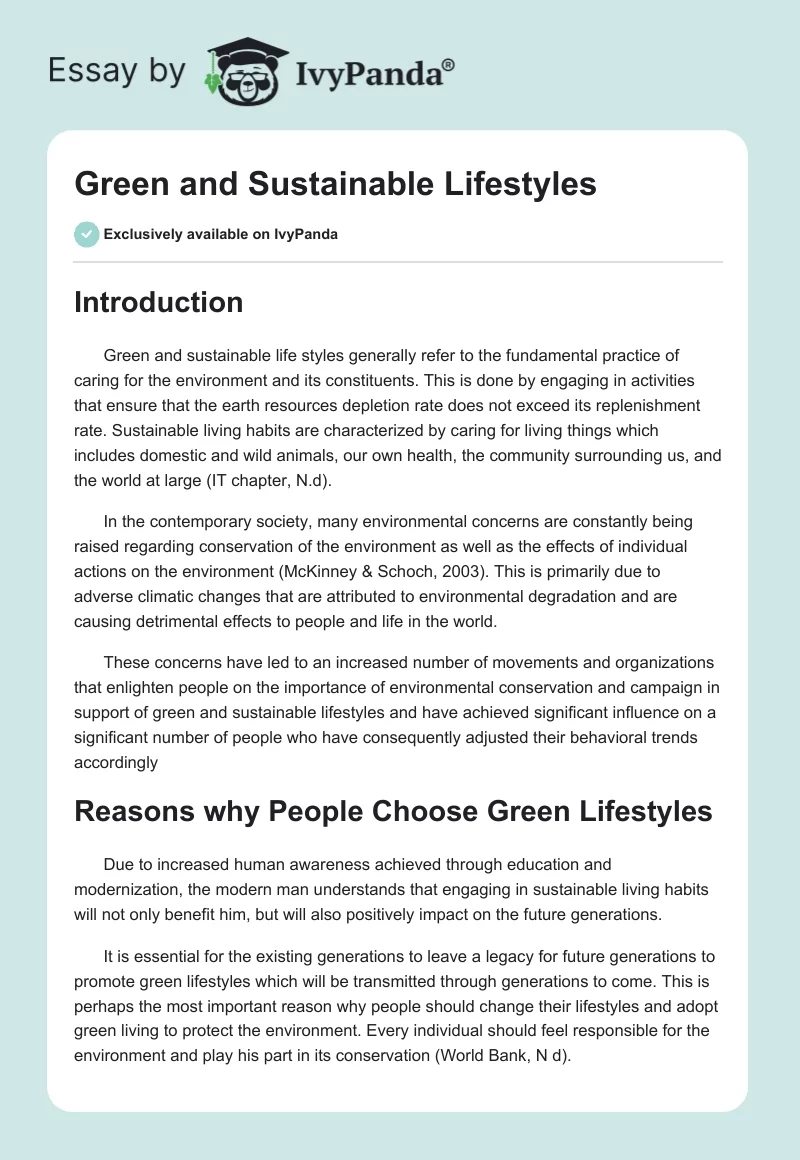
Adopting a sustainable lifestyle is more than a trend; it is a practical path to protect air, water, soil, and wildlife. In my work with community climate programs, I have seen how small changes add up fast. This article explains why a sustainable lifestyle matters to the environment, how it reduces harm, and what you can do today with clear, proven steps.
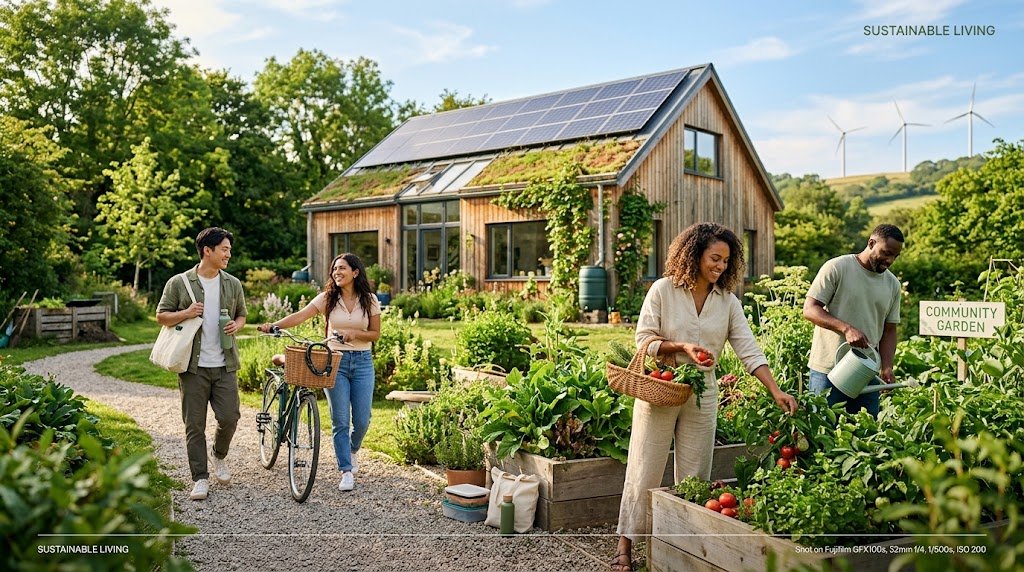
What Is a Sustainable Lifestyle?
A sustainable lifestyle is a set of daily choices that reduce harm to the planet. It focuses on using less energy, wasting less, and choosing goods that last. It also values clean air, safe water, fair labor, and healthy soil.
At its core, a sustainable lifestyle aims to live well within nature’s limits. It links what we buy, eat, and use to the health of forests, seas, farms, and cities. It is practical, local, and repeatable for years to come.
A sustainable lifestyle is not about perfection. It is about steady progress and better habits. It turns climate concern into clear action that saves money and builds resilience.
Source: ivypanda.com
Why a Sustainable Lifestyle Is Important to the Environment
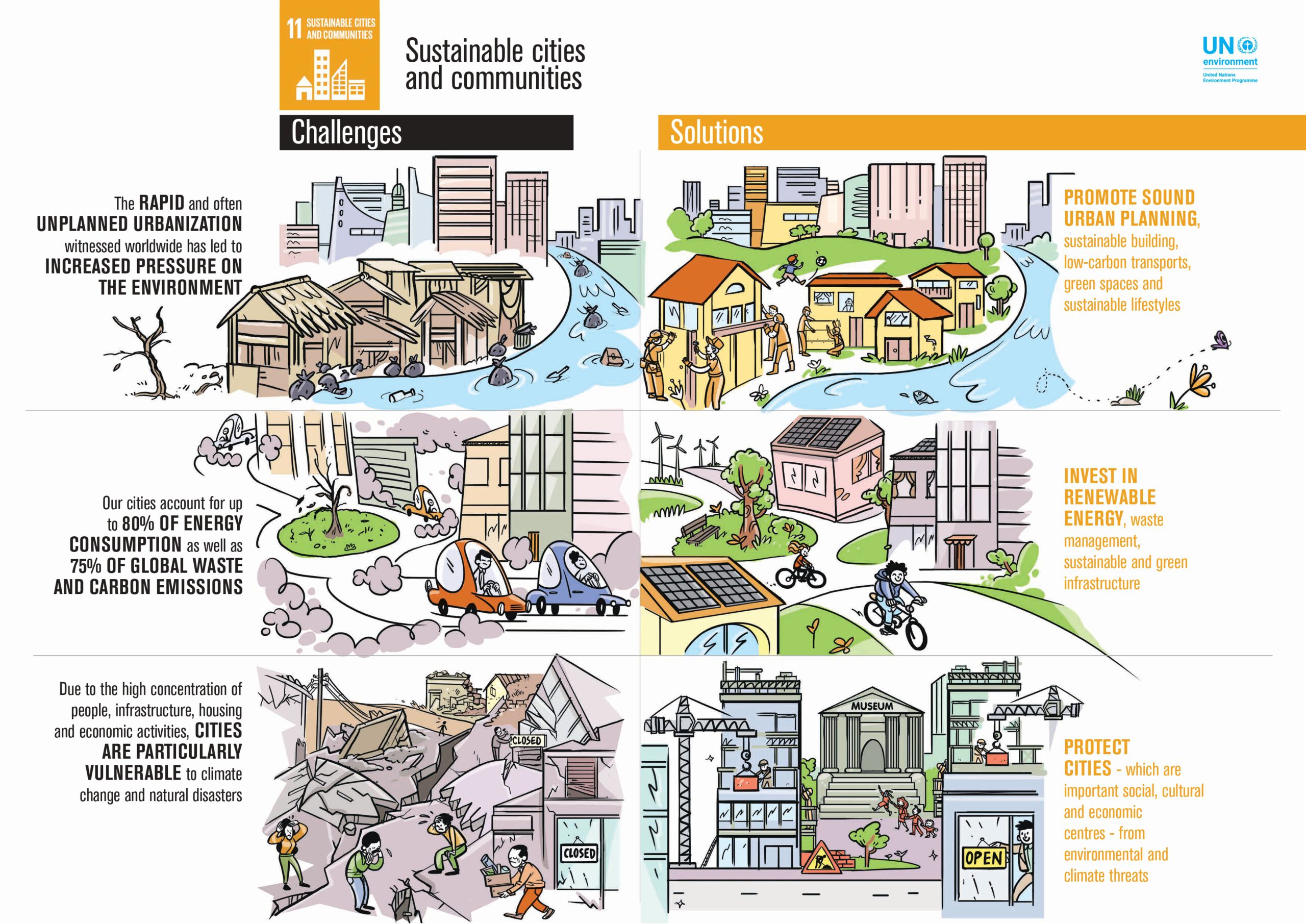
A sustainable lifestyle lowers the pressure we place on land, water, and energy systems. Household choices shape most of the world’s demand for food, travel, housing, and goods. When we shift demand, markets and policies follow.
Major climate reports show that energy, transport, food, and goods drive most emissions and resource loss. By cutting waste, favoring clean energy, and buying durable items, we reduce carbon and protect habitats. We also slow land clearing and pollution, which helps biodiversity.
I have seen the impact first-hand. A neighborhood project I led helped 120 homes switch to LED lights, smart plugs, and low-flow fixtures. Electric bills dropped by about 12% on average. Waste fell by almost a third. That is the power of a sustainable lifestyle at scale.
Source: genevaenvironmentnetwork.org
How Sustainable Choices Reduce Environmental Impact
Energy and home
Home energy use drives both emissions and costs. Simple changes help fast.
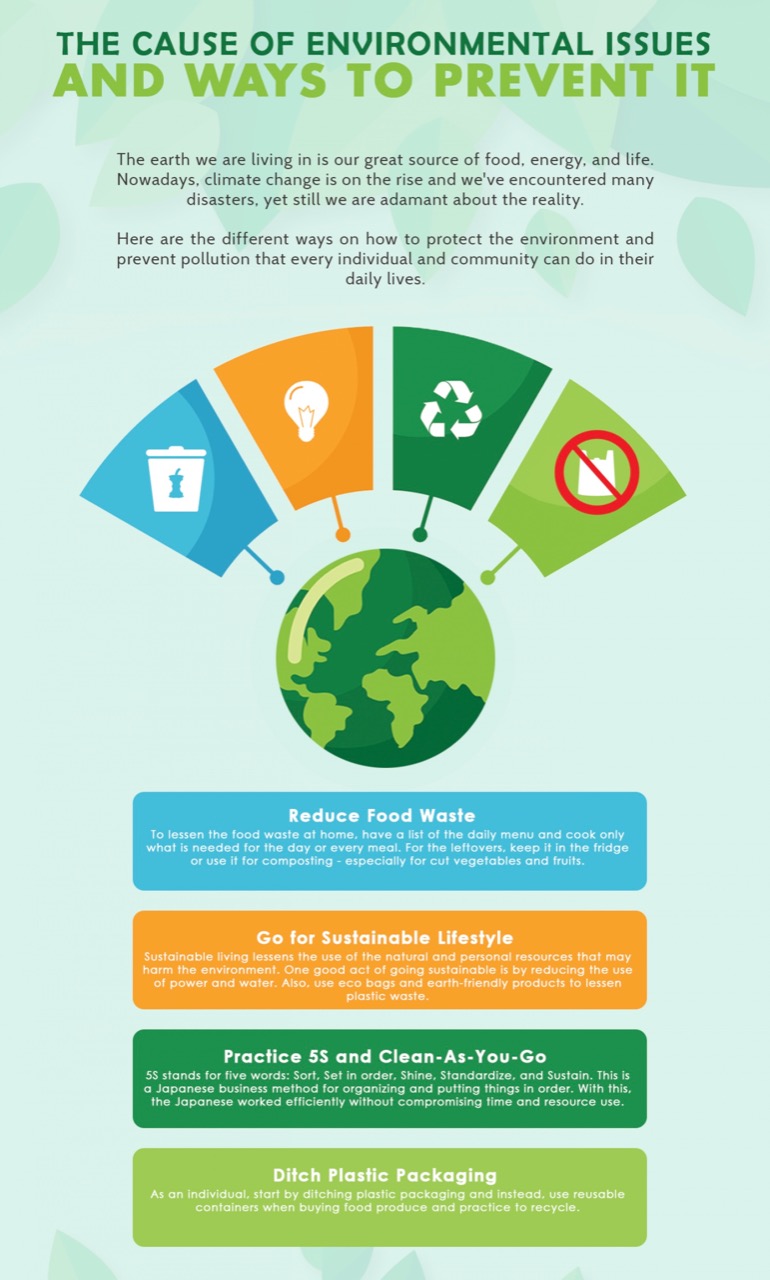
- Switch to LED lighting to cut power use for lighting by up to 80%.
- Add smart thermostats and weather stripping to reduce heating and cooling waste.
- Choose efficient appliances with trusted energy labels.
Moving to solar or community solar, where possible, cuts grid demand. A sustainable lifestyle at home also means unplugging devices and setting default power savings.
Food and diet
Food systems produce a large share of global emissions and water use. A sustainable lifestyle in the kitchen can be powerful.
- Eat more plant-based meals. Even one or two days a week shifts demand and lowers carbon.
- Buy seasonal, local produce when you can to reduce transport and storage energy.
- Plan meals, store food well, and compost scraps to cut waste.
I switched to a simple “root-to-stem” rule. I use broccoli stems in stir-fries and freeze vegetable ends for stock. My food waste dropped by half in a month.
Transport and travel
Transport is a top source of emissions and air pollution. A sustainable lifestyle rethinks how we move.
- Walk or bike for short trips. Use public transit when it fits your route.
- Carpool or combine errands to reduce miles driven.
- Choose electric or hybrid vehicles if you drive often.
When I tried a transit pass for a month, I cut my driving by 40%. I gained time to read and felt less stress in traffic.
Goods, fashion, and waste
Fast turnover of goods drives resource use. A sustainable lifestyle favors quality, repair, and reuse.
- Buy durable items and repair before replacing.
- Choose secondhand clothing and furniture to extend product life.
- Avoid single-use plastics. Carry a bottle, mug, and bag.
Use recycling right, but put waste prevention first. The greenest product is the one you do not need to buy.

Source: gggi.org
Environmental Benefits You Can See and Measure
A sustainable lifestyle produces real, local gains that add up across a city or region.
- Cleaner air and water: Less fuel burned means lower smog and soot. Proper disposal and less runoff protect streams and lakes.
- Healthier soil and biodiversity: Reduced pesticide and fertilizer use helps pollinators, birds, and soil life. Diverse farms and urban green spaces thrive.
- Lower carbon footprint: Energy-efficient homes and low-carbon travel reduce greenhouse gases. This slows climate change and extreme weather risks.
- Less waste to landfills: Composting and reuse cut methane from dumps and extend landfill life.
- Resource security: Using less water and fewer raw materials eases stress on rivers, forests, and mines.
In a workplace pilot I supported, simple print rules and reusables cut office waste by 38% in eight weeks. We also saved on supplies. A sustainable lifestyle delivers both environmental and financial wins.
Source: amaherbal.com
Trade-offs, Limits, and How to Handle Them
A sustainable lifestyle has barriers. Some green goods cost more up front. Transit is not accessible in every area. Rentals may limit home upgrades.
Plan around these limits with smart steps.
- Start with no-cost actions such as shorter showers, thermostat tweaks, and meal planning.
- Choose the best option available. If you cannot buy an EV, drive less and maintain your car well.
- Use shared solutions like tool libraries, community compost, and bulk buying clubs.
Be transparent about offsets and labels. Some claims are vague or unverified. Read product details. Look for clear standards and third-party verification.

Source: shutterstock.com
Practical Steps to Start Today
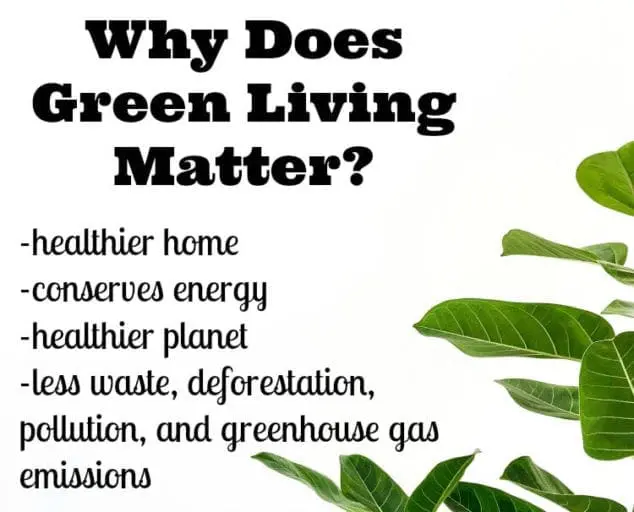
Small, steady changes build a strong, sustainable lifestyle. Pick three to start this week.
- Do an at-home energy check. Replace two bulbs with LEDs and seal one draft.
- Plan four plant-forward meals. Use what is in your fridge first.
- Leave the car for one trip. Walk, bike, or ride transit.
- Carry a bottle, mug, and tote. Say no to single-use items.
- Sort waste right. Set up a clear system for recycling and compost.
- Buy one needed item secondhand. Repair one item you already own.
Track your progress. I keep a simple monthly note: energy use, miles driven, meals with plants, and trash volume. Seeing trends keeps me motivated and makes the sustainable lifestyle stick.
Source: familyfocusblog.com
Frequently Asked Questions: Why Is Sustainable Lifestyle Important To The Environment?
What is the link between a sustainable lifestyle and climate change?
Daily choices shape energy demand and land use, which drive emissions. A sustainable lifestyle lowers emissions through efficient homes, cleaner travel, and smarter diets.
Does a sustainable lifestyle really make a difference?
Yes. Scaled across households, small shifts cut pollution and waste in measurable ways. Utilities and local data often show quick gains in energy and waste metrics.
Is a sustainable lifestyle expensive?
Not always. Many actions save money fast, like LEDs and meal planning. Big upgrades pay back over time through lower bills and less frequent replacements.
How does a sustainable lifestyle support biodiversity?
It reduces pressure on habitats by lowering demand for land, water, and chemicals. Choosing diverse, seasonal, and low-impact foods helps farms and wild species.
What if I live in a rental or dense city?
Focus on habits and portable items, like efficient bulbs, draft blockers, and transit. A city setting can make a sustainable lifestyle easier with walkable options.
Conclusion
A sustainable lifestyle protects the environment by cutting waste, emissions, and resource use. It keeps air and water clean, supports wildlife, and builds healthier homes and cities. It also saves money and reduces stress.
Pick one action today, track it, and build from there. Share your wins with a friend or neighbor and invite them to join you. Want more practical tips and tools?
Subscribe for weekly guides, or leave a comment with your goals, and we will help you get started.





One Comment