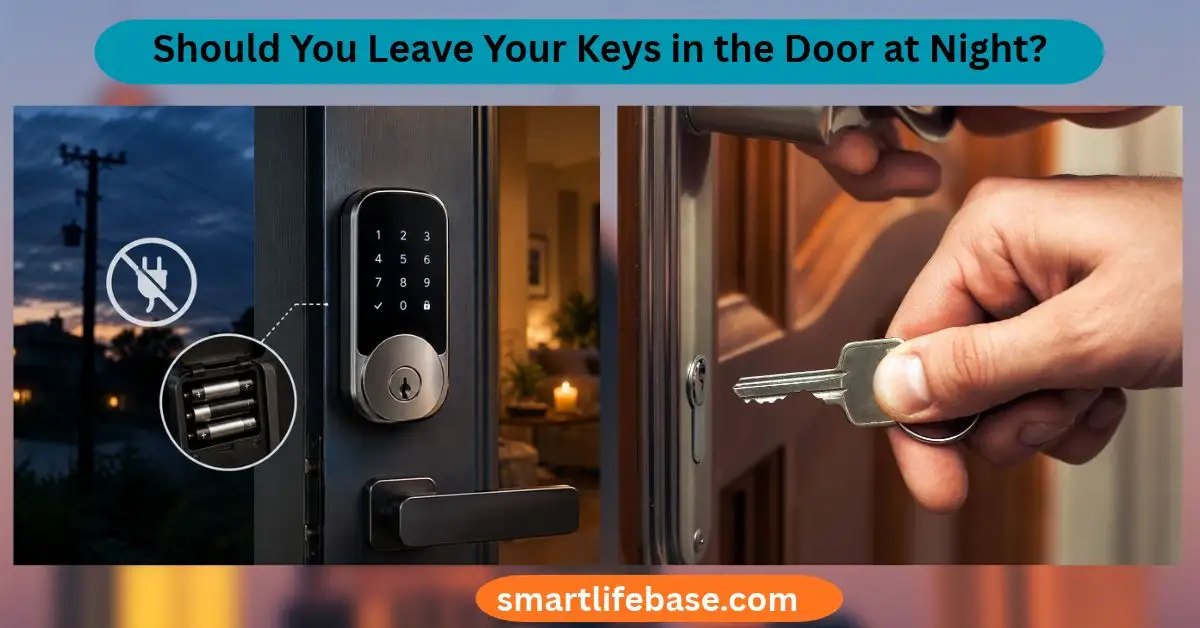
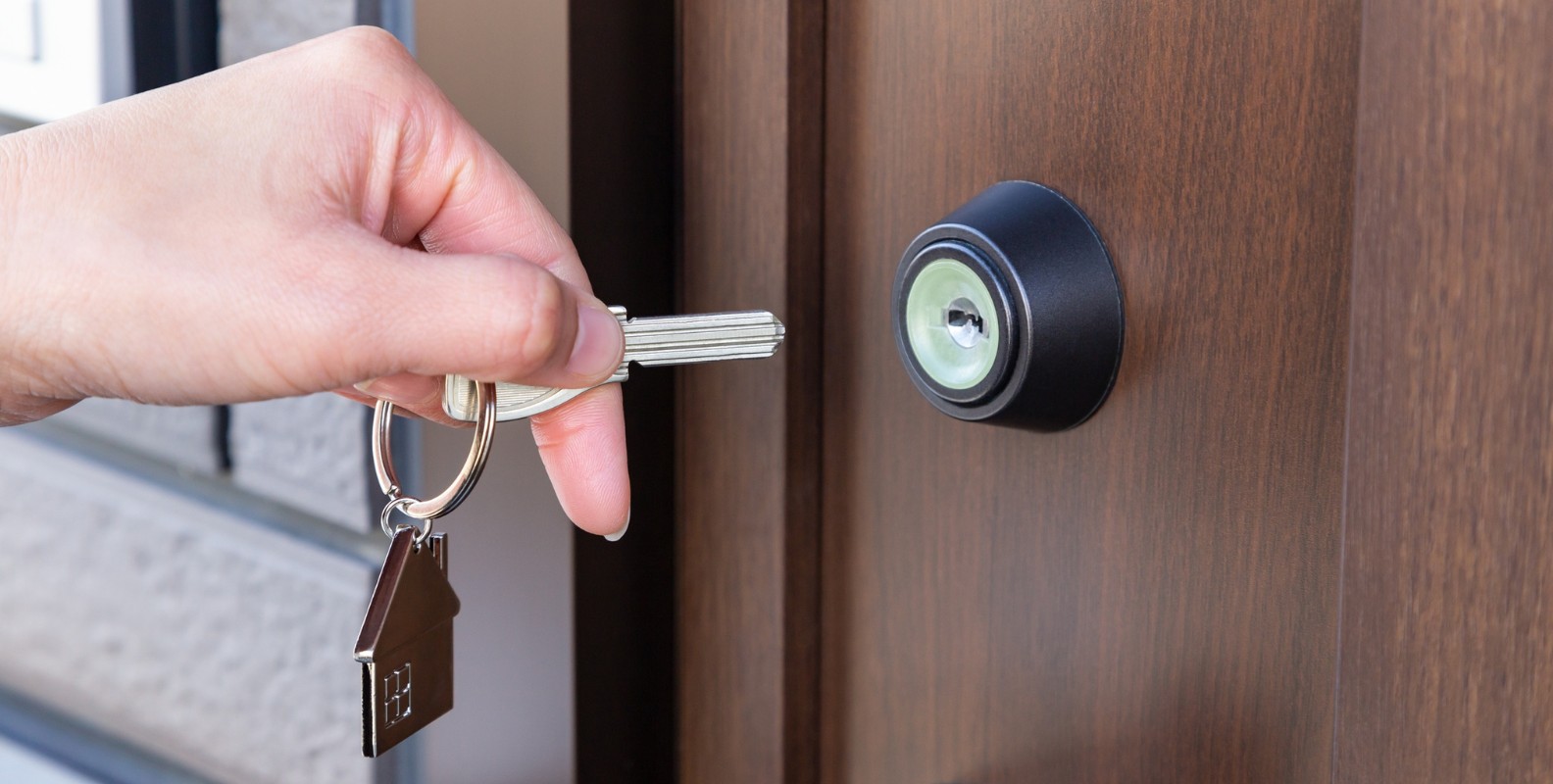
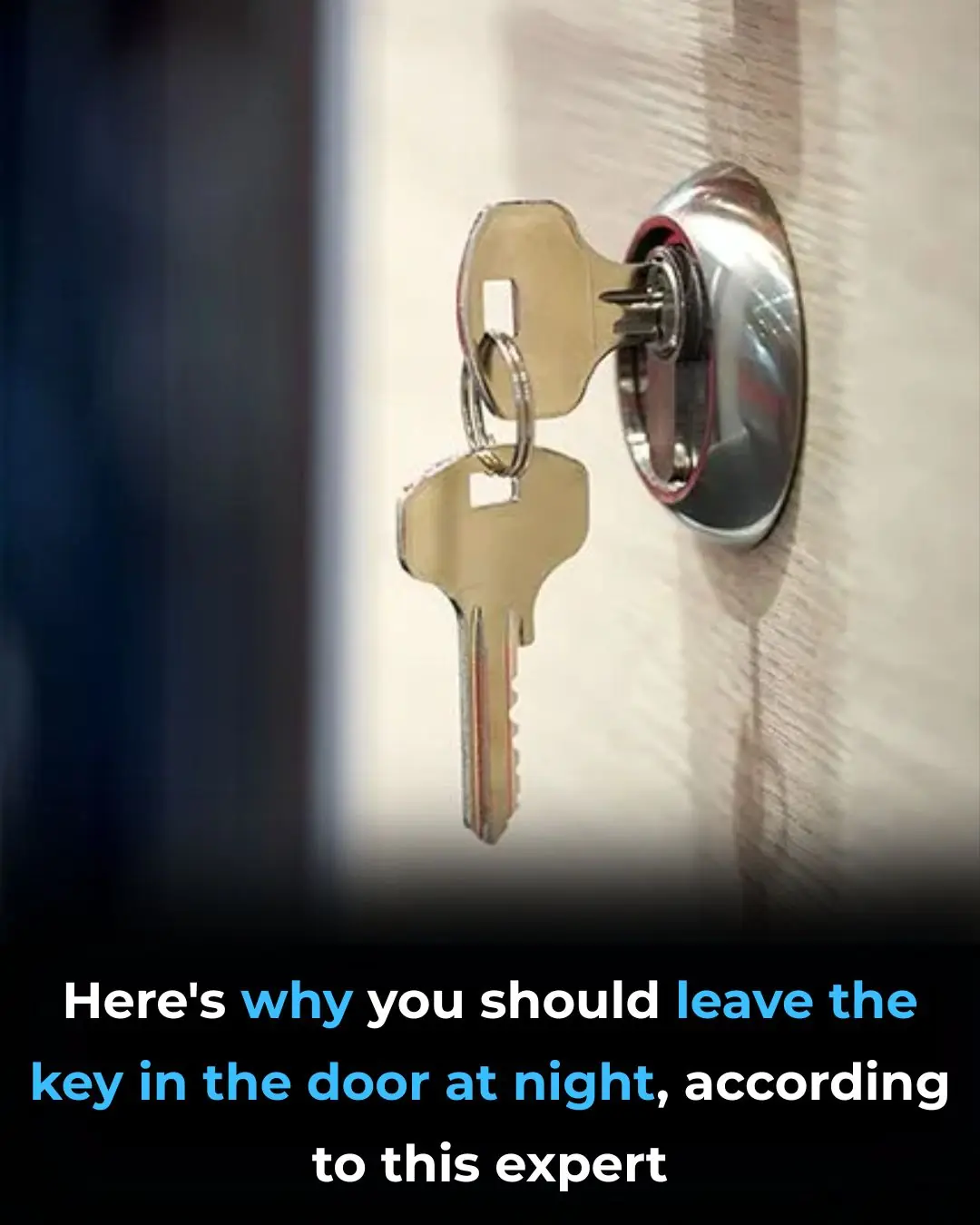
Should You Leave Your Keys in the Door at Night? Learn the security risks, emergency concerns, and safer ways to protect your home while sleeping. No, most homeowners should not leave their keys in the door lock overnight.
It can create security problems, interfere with outside access, and complicate an emergency. Lock your door properly, remove the key when appropriate, and keep it in a safe place where household members can reach it quickly.
Across the United States, locking the front door before going to bed is a basic home safety habit. Many homeowners also leave a key inside the lock because they believe it makes the door harder to open from outside. However, this practice does not provide a reliable security advantage. Its actual effect depends on the lock design, the type of cylinder, and the way the door works.
A key left inside can create problems if a family member needs to enter during an emergency. It may also become accessible through nearby glass, a mail slot, or another opening. Some locks prevent an outside key from working when an inside key remains inserted, while other models are designed to allow access from either side. Therefore, the safest choice is to understand your exact lock rather than follow a general rule without checking.
For most American homes with a standard single-cylinder deadbolt and an interior thumbturn, removing the key after locking is a sensible routine. Keep the key in a known location that is easy to reach during a fire or another emergency but cannot be reached from outside. If your home has a double-cylinder deadbolt, the advice requires more care because that lock needs a key to operate from the inside.
Why You Should Not Leave Your Keys in the Door at Night
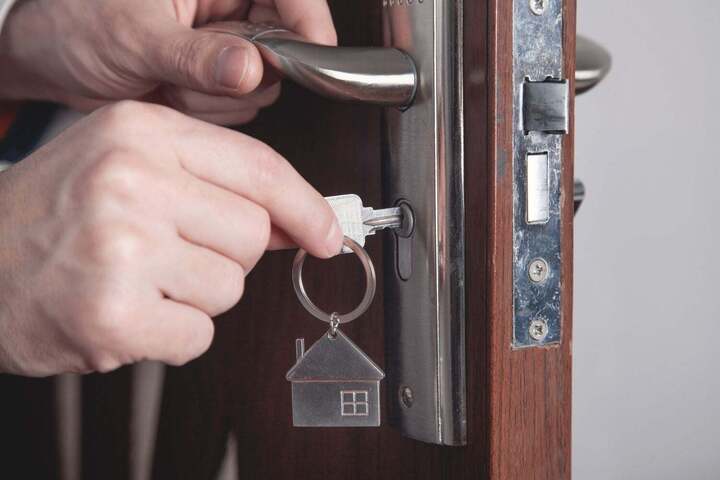
For most households, removing the key from the door lock after locking it is the better choice. An inserted key can create access problems without providing a dependable improvement in security. The biggest concern is not the simple presence of a key but how that key interacts with the door’s locking mechanism and surrounding openings.
A front door is part of a home’s first line of defense. However, home security also depends on the door frame, strike plate, hinges, windows, and the quality of the lock. Leaving a key in the cylinder does not strengthen these parts or make a weak door more resistant to forced entry.
There are several practical reasons to avoid making this a regular nighttime habit. Understanding them can help you choose a safer routine for your home.
Should You Leave Your Keys in the Door at Night
Source: thebustednews.com
It May Create an Outside Access Problem
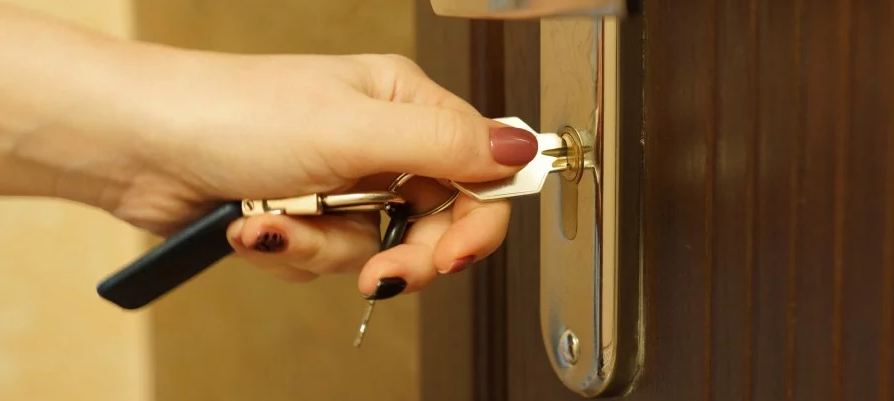
Some lock cylinders cannot accept or operate with an outside key while another key remains inside. If a household member, caregiver, or emergency responder needs to enter, this feature may create an unexpected obstacle.
It Can Expose Your Key to Outside Access
A key left in a poorly positioned lock may be vulnerable if an intruder can reach it through nearby glass or another opening. The risk depends on the door layout and the distance between the opening and the key.
It Can Complicate Emergency Entry
A person with a spare key may find that the outside cylinder does not operate while an inside key is inserted. This can delay access when someone inside needs help.
It Creates a False Sense of Security
An inserted key does not reinforce the door or stop someone from attacking its frame, hinges, or glass. A properly installed deadbolt and a strong door assembly matter more.
Does Leaving a Key Inside Make a Door Harder to Break Into?
Not necessarily. A key inside the cylinder does not turn an ordinary lock into a stronger security device. The lock’s internal design determines whether the outside key can operate when another key is inserted.
Some cylinders have an emergency or dual-access function that allows an outside key to work even when a key is inside. Other cylinders may block outside operation. Neither feature should be confused with greater resistance to forced entry.
Avoid relying on claims that every inserted key can be turned from outside with a magnet or another simple method. Such claims are not universally established for American residential locks. The correct assessment depends on the specific cylinder and door hardware.
Check the Cylinder
Look up the lock’s model and manufacturer instructions to determine whether it supports outside operation with a key inserted inside.
Check the Door Layout
Pay attention to nearby windows, sidelights, mail slots, and other openings that could expose the inside locking area.
The Security Risks of Leaving Keys in a Door Lock
Leaving keys in an exterior door lock can create avoidable weaknesses, especially when the lock is close to glass or another opening. The exact risk varies between homes, but the general principle is simple: do not leave a working key where someone outside might gain access to it.
For example, some American homes have decorative glass panels beside the front door. Others have older doors with mail slots or pet openings. These features may create an opportunity for someone to reach the interior side of the door if the layout allows it.
The goal is not to assume that every opening creates an immediate burglary risk. Instead, homeowners should inspect the actual space around the lock and remove unnecessary access points.
Should You Leave Your Keys in the Door at Night?
Should You Leave Your Keys in the Door at Night
Source: thailandtatler.com
Nearby Glass Panels
A glass panel close to the lock can create a risk if someone breaks it and reaches the interior hardware. Consider suitable security glazing, protective film where appropriate, or a different lock arrangement recommended by a qualified locksmith.
Mail Slots and Pet Doors
A mail slot or pet opening can create a reach-through concern when it is positioned near a key or locking control. Keep keys away from these openings and consider a properly fitted protective cover.
Visible Keys
Keys visible through a window can reveal where household access items are kept. Store them out of sight rather than leaving them in an obvious location.
Weak Door Hardware
A strong lock cannot fully protect a weak door frame or poorly secured strike plate. Check the entire door assembly rather than focusing only on the key cylinder.
Can Someone Unlock a Door From Outside When a Key Is Inside?
The answer depends on the cylinder. A standard cylinder may prevent an outside key from turning when another key is inserted on the inside. A cylinder with an emergency function may allow both keys to operate independently.
This difference matters when a family member has a spare key or when someone needs emergency access. Never assume that inserting a key automatically blocks every possible outside entry method.
If you are unsure, ask a qualified locksmith to identify your cylinder and explain how it works. Avoid testing unfamiliar locks by forcing a key or turning mechanism, as this can damage the hardware.
Does a Key Inside Stop Lock Picking?
There is no universal rule that an inserted key prevents lock picking. Lock picking resistance depends on the cylinder’s construction, security features, condition, and design.
A standard key cylinder may have different levels of resistance to manipulation. A key left inside does not automatically improve those features. Homeowners should choose a suitable, properly installed security cylinder rather than depend on an inserted key as a protective measure.
How Leaving Keys in the Door Can Affect Emergency Access
Emergency access is one of the strongest reasons to think carefully before leaving a key in the door overnight. A medical emergency, fire, or other urgent event may require someone outside the home to enter quickly.
Imagine an older adult who falls inside the house during the night. A family member arrives with a spare key, but the lock does not allow the outside key to operate while another key is inserted inside. The person may have to contact a locksmith or emergency services for assistance.
This situation does not happen with every lock. However, it is a practical risk worth checking before adopting a nighttime key routine. A home should remain secure without creating unnecessary barriers for people who may need to enter or leave during an emergency.
Should You Leave Your Keys in the Door at Night?
Should You Leave Your Keys in the Door at Night
Source: tastyandelicious.com
Medical Emergencies
Family members, caregivers, or other authorized people may need to enter quickly if a resident becomes injured or unable to reach the door.
Fire Emergencies
A person may need to unlock the door and leave without searching for a misplaced key. The exit method should be simple and familiar to everyone in the home.
Emergency Responders
Firefighters and other responders may need to gain access when occupants cannot open the door. A lock arrangement that complicates entry can add delays.
Children and Older Adults
Households with children, older adults, or people with limited mobility should pay special attention to simple locking and exit procedures.
Should You Leave Your Keys in the Door at Night?
Why Emergency Exit Access Matters
A secure home must also allow occupants to get out quickly. The National Fire Protection Association explains that doors along a means of egress generally need to open readily from the egress side when a building is occupied. Locks should not create unexpected obstacles for people trying to leave.
Residential requirements can differ from rules for commercial buildings, schools, and other properties. Local building and fire codes also matter. However, the practical safety principle remains useful for homeowners: everyone in the household should understand how to unlock the exit door without confusion.
Do not add a second lock or change the existing hardware without considering how it affects emergency escape. If the door has an unusual locking system, ask a qualified locksmith or local fire safety professional for guidance.
Should You Keep an Emergency Key Near the Front Door?
Keeping an emergency key inside the home can be useful, but it should not be visible or reachable from outside. A small interior drawer or another consistent storage location may work better than leaving the key in the lock.
The location should be easy for responsible household members to remember. Avoid placing the key near a mail slot, pet door, or accessible window. Also make sure children cannot use it to leave the home unsupervised.
If you use a double-cylinder deadbolt, the inside key must remain accessible for emergency exit. Follow the manufacturer’s instructions and local fire safety requirements when deciding where to keep it.
How Different Door Locks Change the Answer
The safest nighttime key routine depends heavily on the type of lock installed on your door. American homes use several common locking systems, and they do not all behave in the same way when a key remains inside.
Before deciding whether to remove a key, identify whether your door has a single-cylinder deadbolt, double-cylinder deadbolt, keyed entry knob, or electronic lock. Each type has a different operating method and different safety considerations.
The following comparison explains what homeowners should consider. It is a general guide, not a substitute for the instructions for a particular lock model.
Should You Leave Your Keys in the Door at Night?
Should You Leave Your Keys in the Door at Night
Source: parentinfluence.com
Single-Cylinder Deadbolt
This common residential lock uses a key on the outside and a thumbturn on the inside. The key is generally not needed to unlock the door from indoors. Remove any key left in the outside cylinder after use.
Double-Cylinder Deadbolt
This lock uses a key on both sides. An interior key must remain available for exit, but leaving it inserted in the cylinder is not automatically the safest choice. Follow the lock instructions and local fire safety requirements.
Keyed Entry Knob
This lock normally uses a key outside and a button or turn mechanism inside. Check whether the inside mechanism permits simple exit and whether a key left in the exterior cylinder affects outside operation.
Electronic Keypad Lock
Many electronic locks use a PIN for everyday entry and may include a mechanical key override. Follow the manufacturer’s battery, emergency access, and key-storage instructions.
Smart Lock
A smart lock may use an app, keypad, physical key, or several access methods. Keep a reliable backup access plan and check battery warnings before going to bed.
Should You Leave Your Keys in the Door at Night?
Single-Cylinder Deadbolts
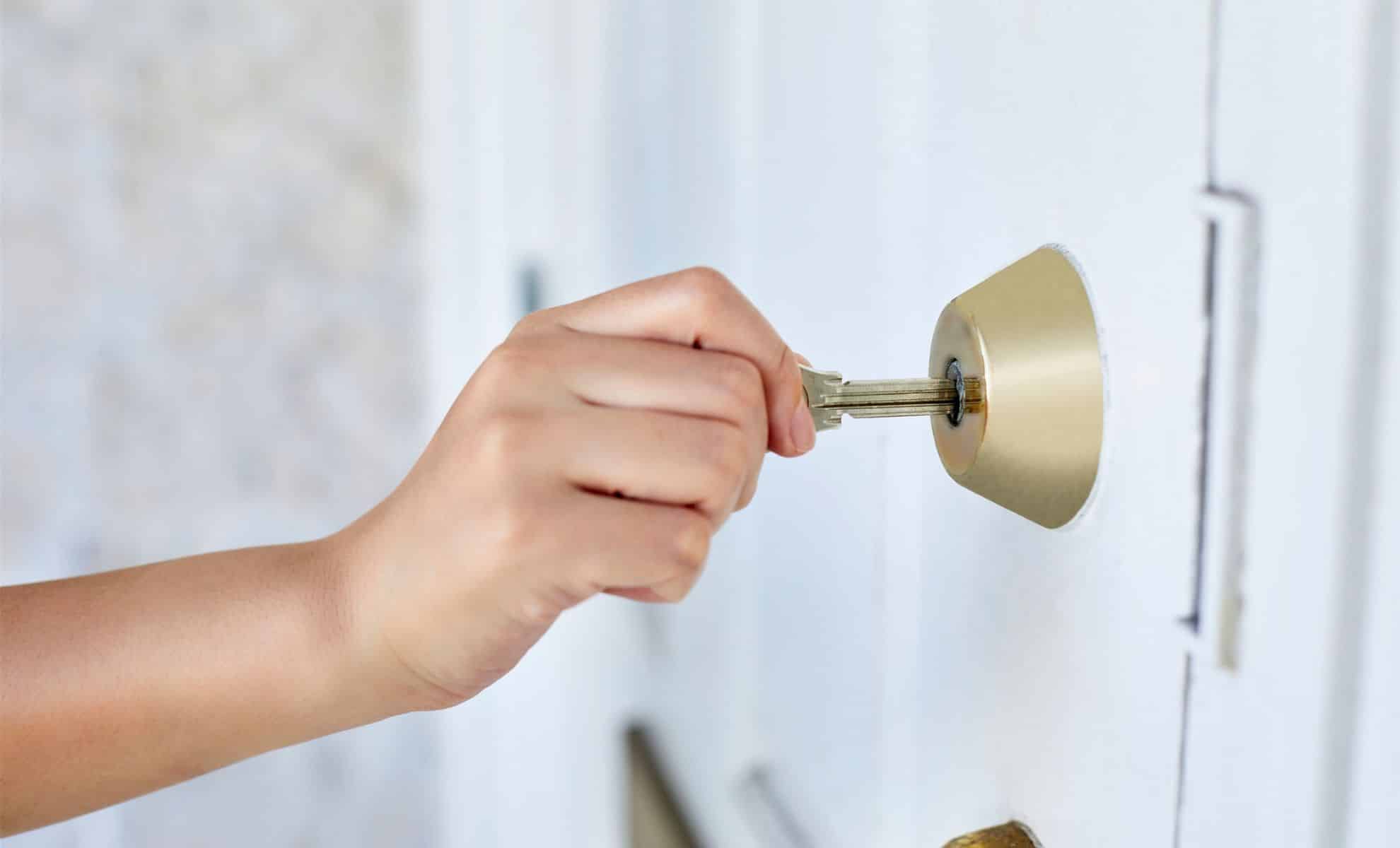
A single-cylinder deadbolt is a common choice for American residential exterior doors. It has a keyed cylinder outside and a thumbturn inside, allowing occupants to lock or unlock the door without searching for a key.
For this design, there is usually no practical reason to leave the outside key inserted overnight. Remove it after locking the door and keep it in a safe interior location.
This arrangement is generally convenient for emergency exit because the thumbturn operates the deadbolt from inside. However, the door’s glass placement and local requirements should still be considered.
Double-Cylinder Deadbolts
A double-cylinder deadbolt requires a key to operate from both sides. Some homeowners choose it when nearby glass could allow someone to reach the inside locking hardware.
However, this design creates an important emergency concern. If occupants need a key to unlock the door from inside, they must be able to find and use it quickly during a fire or another urgent event.
Some older home security guidance recommends keeping a key in the inside cylinder. Other guidance stresses keeping keys out of the lock and safely accessible. The difference reflects the type of lock and the home’s specific risks. Do not apply either instruction blindly.
Before using this type of deadbolt on an occupied home, check local fire and building requirements. A qualified locksmith can help determine whether another lock arrangement would provide a better balance of security and safe exit.
Smart Locks and Keypad Locks
Smart locks and electronic keypad locks reduce the need to use a physical key for everyday access. Some models include a mechanical override for situations such as a dead battery or electronic failure.
They can be useful for households that want several authorized access methods. However, they still require proper installation, maintenance, and a backup plan.
If your electronic lock includes a physical key cylinder, follow the manufacturer’s instructions about inserting and removing the key. Do not leave the key in the cylinder simply because the lock also uses a keypad.
The Safest Way to Store Your House Keys at Night
The best approach is to remove keys from exterior locks when the lock design allows it and store them in a secure, consistent place inside the home. This keeps the key available to residents without leaving it exposed at the entrance.
A good storage location should meet three basic needs. It should be easy for household members to remember, far enough from outside openings to prevent unauthorized access, and accessible during an emergency.
You do not need expensive equipment to create a safer routine. A simple, well-chosen location and a clear household plan can solve many common key management problems.
Should You Leave Your Keys in the Door at Night?
Should You Leave Your Keys in the Door at Night
Source: blue-id.com
Use a Designated Key Drawer
Choose an interior drawer away from exterior doors and windows. Tell responsible household members where the key is kept.
Choose a Secure Key Cabinet
A small lockable cabinet can help organize spare keys. Make sure authorized adults can access it quickly when necessary.
Keep Keys Away From Glass
Do not place house keys on a table or hook immediately beside a glass panel, window, mail slot, or pet opening.
Separate Spare Keys
Keep spare keys in a secure place rather than leaving every copy near the main entrance. Give authorized family members or caregivers access through an appropriate arrangement.
Teach Household Members
Make sure everyone who may need to leave during an emergency knows how the door unlocks and where the necessary key is stored.
Should You Leave Your Keys in the Door at Night?
A Simple Nighttime Door Security Routine
A consistent routine helps prevent small mistakes. Instead of changing how you lock the door every night, follow the same steps and make sure each household member understands them.
Start by checking that the door is fully closed and that the deadbolt engages correctly. Remove the outside key if the lock is designed for normal key removal, then store it in the designated location.
Next, check other exterior doors and accessible windows. Make sure your emergency exit remains usable and that everyone knows how to operate it. Finally, confirm that any alarm system is armed if you use one.
Step 1: Close the Door Properly
Check that the door sits correctly in its frame and is not obstructed by a rug, object, or damaged latch.
Step 2: Lock the Deadbolt
Use the correct locking method for your hardware and confirm that the bolt engages fully.
Step 3: Remove the Outside Key
If the lock permits normal key removal, take the key out and avoid leaving it in the exterior cylinder.
Step 4: Store the Key Safely
Place the key in the agreed interior location, away from windows, glass panels, and reach-through openings.
Step 5: Check Emergency Access
Confirm that everyone can open the door from inside without unnecessary delay or confusion.
What If You Cannot Remove the Key?
Some locks are designed so that a key can only be removed in a particular position. Others may become difficult to operate because of a worn cylinder, incorrect installation, or internal damage.
Do not force the key or use pliers to pull it out. Excessive force can damage the key or cylinder and may leave the door difficult to operate.
Check the manufacturer’s instructions first. If the key remains stuck or the lock does not work as intended, contact a qualified locksmith. If the door is your only practical exit, address the problem promptly rather than leaving it until an emergency.
How to Improve Home Security Without Leaving a Key in the Lock
Removing a key from the door does not mean reducing home security. In fact, a better approach is to strengthen the entire entrance rather than depend on one small habit.
A good exterior door needs a suitable lock, a strong frame, properly installed hardware, and a secure surrounding area. Each part plays a role in making forced entry more difficult.
Homeowners should also consider daily habits. Locking the door consistently, keeping valuables out of sight, and maintaining exterior lighting can help reduce avoidable security weaknesses.
Should You Leave Your Keys in the Door at Night?
Should You Leave Your Keys in the Door at Night
Source: beauty.thebustednews.com
Install a Quality Deadbolt
Choose a deadbolt suited to the door and its use. Consider recognized security ratings and professional installation when selecting replacement hardware.
Reinforce the Strike Plate
The strike plate connects the deadbolt to the door frame. Suitable reinforcement and properly sized fasteners can improve the strength of this connection.
Inspect the Door Frame
Look for cracks, loose screws, damaged wood, and other signs of weakness. Repair structural damage before relying on the lock for protection.
Improve Exterior Lighting
A well-lit entrance can make it easier to see visitors and notice unusual activity around the property.
Secure Nearby Windows
Check windows close to exterior doors and make sure their locks work correctly. Keep keys and valuable items out of sight.
Consider an Alarm System
A suitable alarm can provide another layer of protection. Make sure it is installed correctly and that household members know how to use it.
Should You Leave Your Keys in the Door at Night?
Choose a Lock That Fits Your Door
Not every lock is suitable for every door. The right choice depends on the door material, thickness, existing preparation, nearby glass, and required emergency exit arrangement.
For many standard American homes, a properly installed single-cylinder deadbolt with an interior thumbturn is a practical option. However, a door with nearby glass or unusual hardware may need a different solution.
Look for relevant ANSI/BHMA security grades and manufacturer documentation when comparing locks. These ratings describe tested product performance within their stated standards, but they do not guarantee that an entire door assembly is resistant to every attack.
A locksmith can assess the door and recommend suitable hardware without compromising normal operation or emergency access.
Should You Replace an Old Door Lock?
Consider replacing a lock if its key frequently sticks, the cylinder is damaged, the bolt does not extend fully, or the hardware has become loose. A lost or stolen key is another reason to consider rekeying or replacing the lock.
Rekeying changes which key operates an existing compatible lock cylinder. Replacement installs new hardware. A locksmith can explain which option is suitable for the condition and type of your current lock.
Do not assume that an expensive lock alone will solve every security problem. The door frame, strike plate, hinges, and installation quality also affect the result.
Should You Leave Your Keys in the Door at Night
Frequently Asked Questions About Should You Leave Your Keys in the Door at Night
Q
Is It Safer to Leave a Key in the Door Overnight?
Generally, no. Leaving a key in an exterior door lock does not automatically make the home safer. It may create problems with outside access or expose the key to someone who can reach the interior side of the door. For most standard single-cylinder deadbolts, remove the outside key after locking and store it securely inside.
Q
Can Someone Unlock My Door If I Leave the Key Inside?
It depends on the lock cylinder. Some models prevent an outside key from operating when another key is inserted inside, while emergency-function cylinders allow outside operation. The presence of an inside key does not provide universal protection against unauthorized entry. Check the exact lock model or ask a locksmith.
Q
Should I Leave a Key in a Double-Cylinder Deadbolt at Night?
A double-cylinder deadbolt requires a key to operate from both sides. This means occupants need an accessible key to unlock the door during an emergency. Some home security guidance recommends keeping the key in the interior cylinder, while other guidance recommends storing it nearby. The correct arrangement depends on the lock, door layout, local codes, and emergency exit needs. Consult a qualified locksmith or local fire safety professional before deciding.
Q
Can Leaving a Key in the Door Damage the Lock?
Simply leaving a correctly inserted key in a compatible lock does not necessarily damage it. However, a bent key, worn cylinder, incorrect key position, or forced operation can cause problems. Follow the manufacturer’s instructions and remove the key when the lock is designed for normal removal.
Q
Where Should I Keep My House Keys While Sleeping?
Keep your keys in a consistent interior location that authorized household members can reach quickly. A secure drawer or suitable key cabinet can work well. Avoid leaving keys beside windows, glass panels, mail slots, or pet doors. If you use a double-cylinder deadbolt, make sure the inside key remains available for emergency exit.
Q
Should I Leave My Front Door Unlocked From the Inside at Night?
No. Your exterior doors should be secured at night using the lock’s intended method. However, locking the door should not prevent occupants from leaving quickly during an emergency. A standard single-cylinder deadbolt generally allows inside operation through a thumbturn. Check that your lock provides a suitable exit method for everyone in the household.
Q
Does a Smart Lock Remove the Need for Physical Keys?
Not always. Some smart locks use PIN codes or smartphone access but still include a mechanical key override. Other models offer different backup methods. Check the manufacturer’s emergency instructions, maintain the batteries, and keep an alternative access plan in case the electronic system stops working.
✦ Wrapping Up
Conclusion
So, should you leave your keys in the door at night? For most homeowners, the answer is no. An inserted key does not provide a reliable security improvement and may create unnecessary problems with emergency access, depending on the lock design.
A better routine is to close the door properly, engage the deadbolt, remove the outside key when appropriate, and store it in a safe interior location. Make sure everyone in the home knows where the key is and how to unlock the door quickly.
Remember that double-cylinder deadbolts require extra care because they need a key on the inside. Check local fire safety requirements and the manufacturer’s instructions before changing how you use this type of lock.
Finally, focus on the whole entrance rather than the key alone. A suitable deadbolt, strong door frame, secure strike plate, working windows, and clear emergency exit plan provide a more practical approach to nighttime home security.
💡 Key Takeaway
Before going to bed tonight, identify your door lock type, check how it works from both sides, secure the door, and store your key in a safe but accessible interior location. If you have a double-cylinder deadbolt or an unusual locking system, ask a qualified locksmith to review its security and emergency exit arrangements.
Find out what smart home gadgets support voice control in 2026, with top picks by Alexa, Google, and Siri, plus tips to choose, set up, and save money.
Learn how simple daily choices cut emissions and save money. How Can Sustainable Living Help Climate Change? Get actionable tips and stats to start today.
Curious about the benefits of smart home technology? Learn how to cut energy costs, enhance security, and automate routines with smart tips for every budget.