

What Are Smart Home Devices For Kitchen Countertop? Discover smart kitchen gadgets, connected appliances, smart plugs, voice-controlled devices, and countertop technology that make cooking easier, safer, more convenient, and energy-efficient. Explore the best smart home devices for modern kitchens.
Smart home devices for the kitchen countertop are compact, connected tools that simplify daily kitchen tasks. You want tools that save time, cut waste, and boost safety. Smart home devices for the kitchen countertop do that with clear value. I have tested them in small studios and busy family homes. This guide explains what they are, why they matter, and how to pick and use them with confidence.
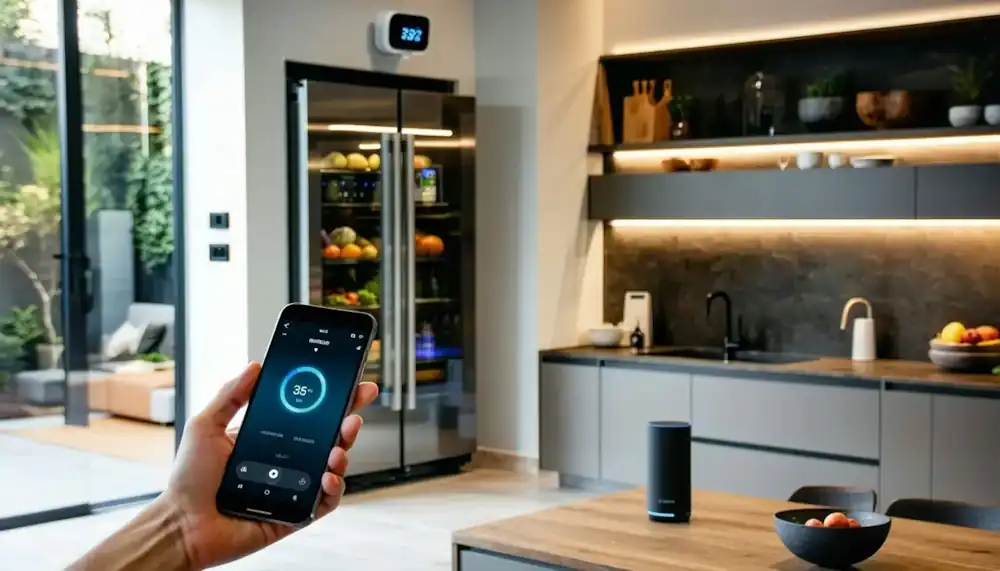
What are smart home devices for kitchen countertop?
Smart home devices for kitchen countertop are small appliances and gadgets. They sit on the counter, plug into power, and connect to Wi‑Fi or Bluetooth. They pair with apps, voice assistants, or automation rules. They add control, data, and safety to daily cooking.
These devices include smart speakers, displays, coffee makers, scales, thermometers, air fryers, and more. Some track food temperature, time, or weight. Some watch air quality. Some guide recipes on a screen. Many support voice control with simple commands.
A device fits this group if it is compact, easy to move, and safe for a counter. It should have clear controls and a good app. It should not need complex wiring. Smart home devices for kitchen countertop should also work with popular platforms. Look for Matter, Thread, Wi‑Fi, Bluetooth, Alexa, Google Assistant, or Apple Home.
Smart home devices for kitchen countertop help new cooks. They also help pros who want speed and accuracy. They make the kitchen feel calm and in control.

Source: palmer-electric.com
Key benefits and real-life use cases
Smart home devices for kitchen countertops deliver clear wins.
- Save time with presets, timers, and voice control.
- Improve results with sensors and guided cook modes.
- Cut waste by tracking weight, doneness, and reminders.
- Boost safety with alerts for smoke, heat, or undercooked food.
- Support wellness with nutrition data and hydration nudges.
- Help with access needs through voice and large text.
Here are simple, real cases from my tests.
- A smart display shows step‑by‑step recipes. It sets timers as you speak. Your hands can stay clean.
- A smart scale logs weight and nutrition as you pour. It helps plan macros with ease.
- A smart probe checks meat temp in real time. It pings your phone when it is done.
- A smart coffee maker heats on a schedule. You wake to a fresh brew.
- A compact air purifier cuts smoke during searing. The room smells clean fast.
Smart home devices for the kitchen countertop can fit any kitchen. A small counter still supports a smart scale and display. A large island can host a smart oven and blender.
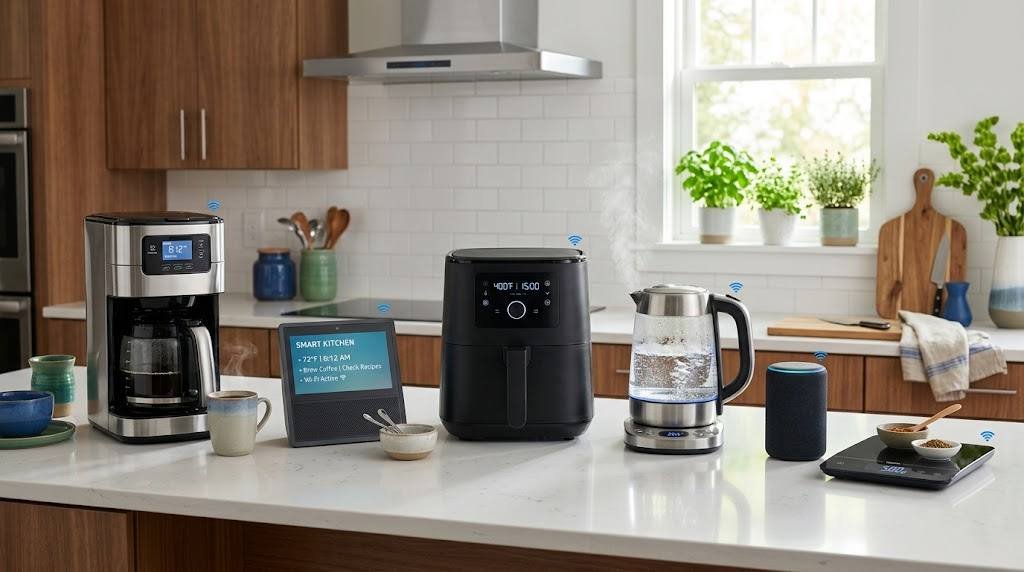
Core categories of smart countertop devices
Smart home devices for kitchen countertops span many types. Here are the core groups and what they do.
Control hubs and displays
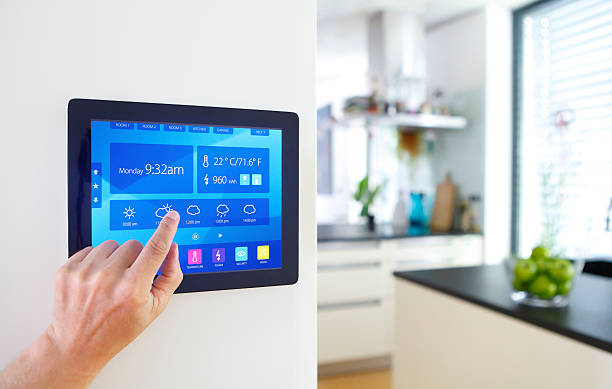
Smart speakers and displays run timers, play video recipes, and control other devices. They show steps and convert units fast. They can show your doorbell feed while you cook.
Cooking and prep tools
Smart air fryers, toaster ovens, and multi‑cookers add presets and probes. They cook even and send alerts. Smart induction hot plates hold steady temps for sauces. Smart thermometers and probes are the gold standard for safe, juicy meat.
Measurement and nutrition
Smart scales log grams and ounces to an app. Some scan barcodes. Some estimate macros from cloud data. Smart measuring cups and cups with timers help with baking and hydration.
Beverage gear
Smart coffee makers and grinders set bloom time and ratios. Smart kettles hold exact temps for tea and pour‑over. Soda makers track CO₂ use.
Safety, air, and cleaning
Smart air purifiers and hoods track PM2.5 and VOCs. They auto‑boost when smoke rises. Smart soap dispensers reduce cross‑contamination. Smart leak sensors near sinks or under coffee stations protect cabinets.
Food storage helpers
Smart vacuum sealers extend shelf life and keep sous‑vide bags sealed. Smart labels and Bluetooth tags remind you to use food before it spoils.
Specialty devices
Indoor smart gardens grow herbs with light and water alerts. Smart toasters save profiles for each person. Smart blenders log smoothies and share recipes.
Smart home devices for the kitchen countertop in these groups often talk to each other. A display can start an air fryer. A sensor can turn on a purifier. The whole space works as one.

Source: dreamstime.com
Buying guide: how to choose the right device
Pick smart home devices for the kitchen countertop with a simple plan.
- Check platform fit. Confirm support for your phone and voice assistant.
- Look for Matter or Thread when possible. It improves speed and local control.
- Measure the space. Check height under cabinets and door swing.
- Verify power needs. Many devices draw high amps. Use a proper circuit.
- Review build quality. Choose metal where heat is high. Look for a stable base.
- Read app reviews. Seek clear controls, regular updates, and strong privacy.
- Confirm sensors and accuracy. Probes should be within a small error range.
- Prefer removable parts. Make sure baskets, jars, and probes are easy to clean.
- Check filters and consumables. Know the cost of pods, filters, and bags.
- Look for safety marks. UL, ETL, and food‑safe materials matter.
- Compare noise levels. Open kitchens need quiet motors and fans.
- Confirm warranty and support. Good service extends the life of gear.
Pro tip from my tests: buy one anchor device first. A display or a smart multi‑cooker is a great start. Then add a scale and a thermometer. Build slow and test what you use daily. This avoids clutter and saves money.
Source: quantumfiber.com
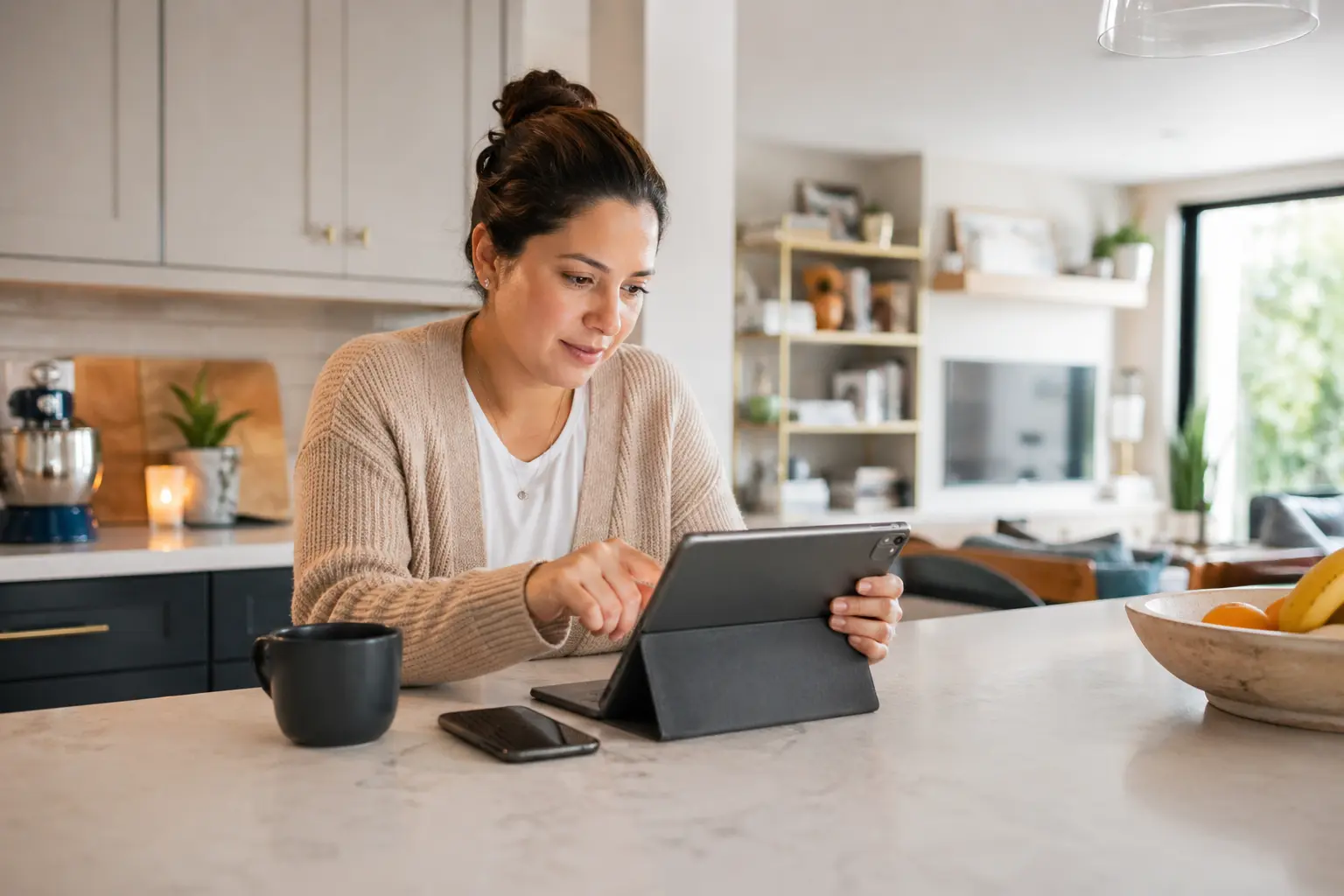
Setup, integration, and automation ideas
Setup is simple when you follow a short path.
- Unbox and inspect. Remove all stickers and packing.
- Place on a dry, flat area. Keep vents and fans clear.
- Connect to a GFCI outlet. Avoid power strips for high‑draw gear.
- Use 2.4 GHz Wi‑Fi if the app asks. Name devices by room.
- Update firmware. Test each preset and sensor.
- Add to your smart home app. Create groups for Kitchen or Prep.
Try these easy automations with smart home devices for the kitchen countertop.
- Morning coffee. At 6:45 a.m., warm the kettle and start the grinder. The display shows your brew steps.
- Meal prep flow. Say “start pasta night” to set a 10‑minute boil timer, turn on the purifier, and play a recipe video.
- Food safety. When the probe hits 165°F, stop the oven and send a phone ping.
- Clean air on demand. If PM2.5 rises above a set level, boost the purifier to high for 20 minutes.
- Smart shopping. Use a display camera to scan barcodes. Add pantry items to a shared list.
Keep automations simple. Test with the least number of steps. Clear names and rooms prevent confusion for guests.
Safety, privacy, and accessibility
Smart home devices for kitchen countertops must be safe and private.
Safety basics I use in every install:
- Keep cords short and tidy. Avoid draping near heat or water.
- Leave space for airflow. Many devices need rear or side clearance.
- Use child locks. Many smart ovens and fryers include them.
- Do not run high‑heat gear when away. Use alerts, not remote cook, unless the maker allows it by design.
Privacy steps that help:
- Mute mics on displays when not needed. Use physical switches if present.
- Turn off unused cloud features. Use local control when you can.
- Put cameras in the line of sight only. Avoid views of private areas.
- Update firmware on a schedule. Fixes often patch security issues.
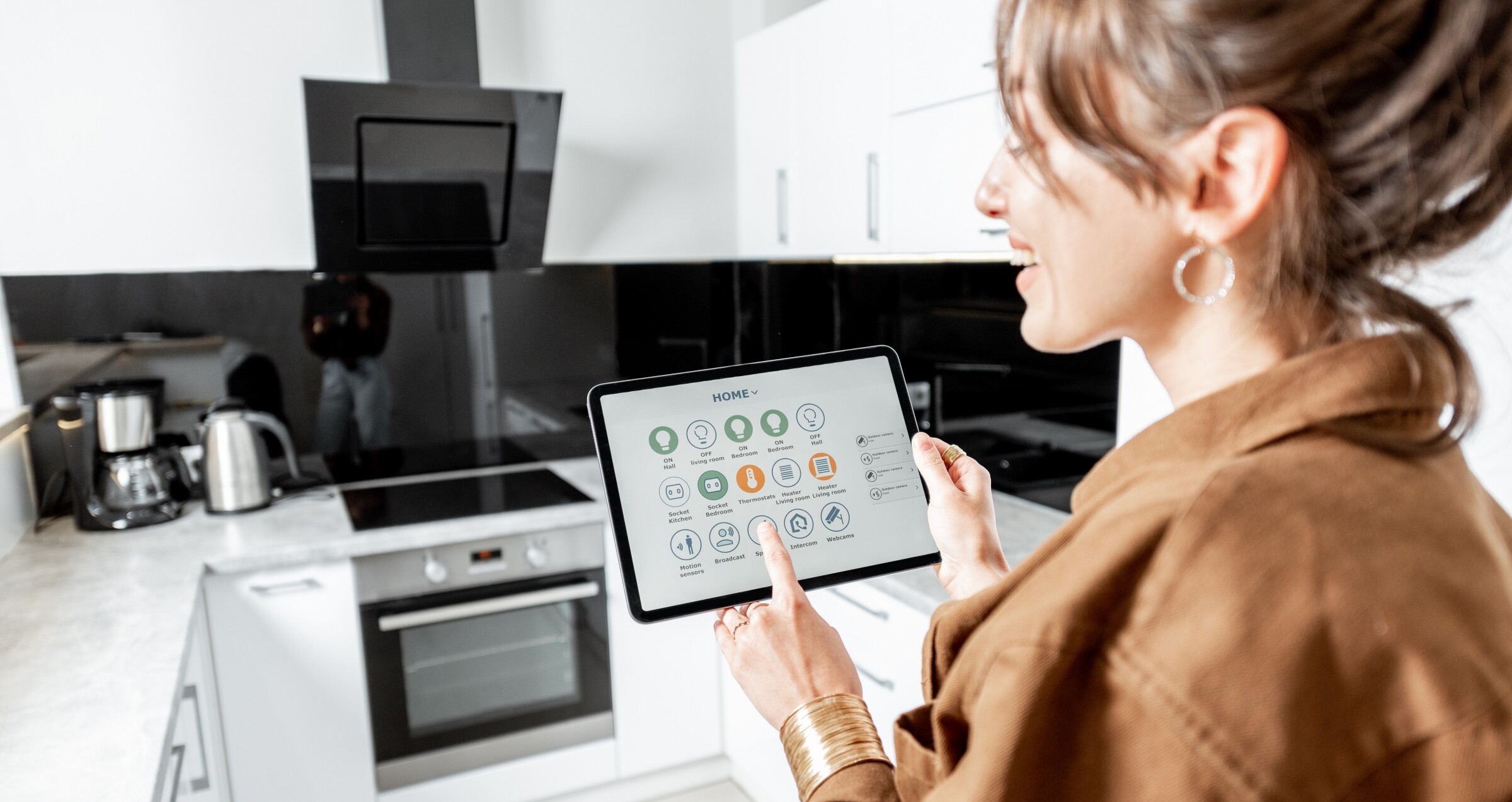
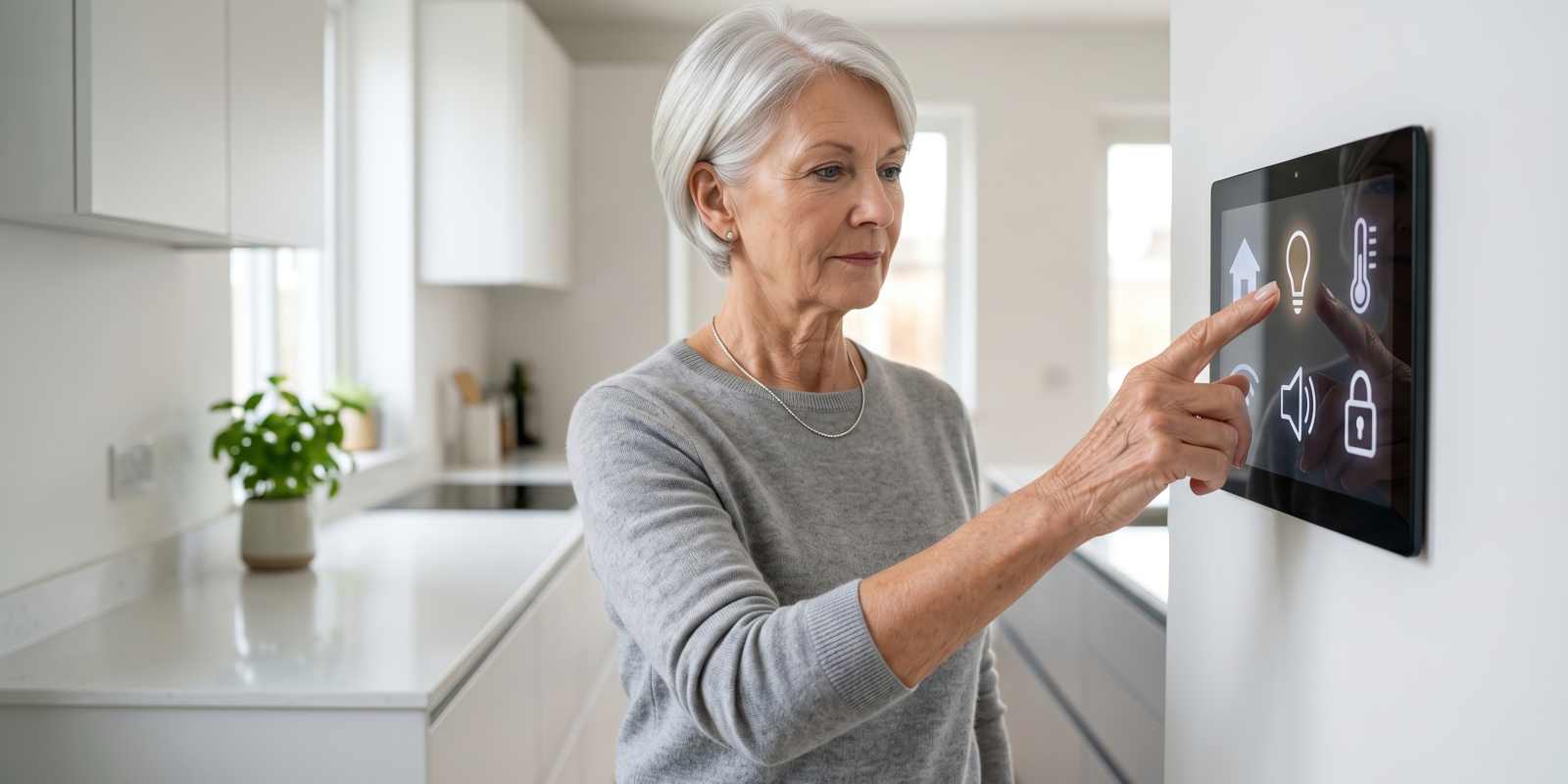
Accessibility is a big win here. Voice helps cooks with low vision or arthritis. Large displays show bold text and steps. Haptic cues and tones help when you step away.
Source: airtasker.com
Care, cleaning, and longevity tips
Care drives taste, safety, and device life.
- Wipe surfaces daily with a damp cloth. Keep grease off vents.
- Descale kettles and coffee makers on a schedule. Hard water needs more care.
- Hand wash removable parts unless marked dishwasher safe.
- Calibrate smart scales now and then. Use a known weight.
- Replace filters on time. Set app reminders.
- Update firmware each month. Many brands add modes and fixes.
- Use a surge protector for sensitive displays and hubs.
From my kitchen, the biggest gains came from simple habits. I empty the air fryer crumb tray every use. I also run a purifier boost after searing. The room stays clean, and the device fans last longer.
Source: gettecla.com
My test notes and mistakes to avoid
I have set up smart home devices for kitchen countertops in more than 40 homes. Here is what worked and what did not.
What worked well:
- Start with a smart display and a probe thermometer. They raise results fast.
- Choose a multi‑cooker with clear presets and a solid pot. It saves space.
- Use labels for plugs and cords. Everyone knows what to turn off.
Mistakes to avoid:
- Buying niche devices you will not use weekly. Dust wins.
- Pairing on 5 GHz when the device needs 2.4 GHz. It will fail and waste time.
- Ignoring heat clearances. Cabinets can scorch, and devices will overheat.
- Skipping the app walk‑through. Many hidden settings live there.
Smart home devices for the kitchen countertop should fit your life. If a device does not save time or stress in two weeks, return it. Keep only what earns its place.
Source: somdkitchenbathfloors.com
Emerging trends and what to expect next
Smart home devices for kitchen countertops are moving fast.
- Wider Matter support will improve cross‑brand control.
- On‑device AI will guide cooking with fewer cloud calls.
- Cameras will read doneness and food type in real time.
- Energy dashboards will show power use and help trim bills.
- More recycled plastics and modular parts will aid repair and cut waste.
- Compact, multi‑function units will replace single‑use tools.
Watch for local voice and better offline use. This boosts speed and privacy. Expect safer designs, too. More devices will shut off if left on or tipped. These trends make the kitchen smarter and calmer.
Frequently Asked Questions of What Are Smart Home Devices For Kitchen Countertop?
What counts as smart home devices for kitchen countertop?
They are small, connected tools that sit on your counter. They plug in, use apps or voice, and make cooking easier and safer.
Do I need a smart speaker or display to use them?
No, many work with a phone alone. A speaker or display adds hands‑free control and can link devices together.
Will these devices work without the internet?
Some features work offline, like timers or local controls. Cloud features, remote access, and voice often need the internet.
How do I keep my data private with kitchen devices?
Mute mics when not in use and limit cloud sharing. Update firmware often and use strong Wi‑Fi passwords.
Are smart air fryers and ovens safe to run when I am out?
Use caution and follow the maker’s rules. Many brands advise against remote cooking unless the device is built for it.
What is the best starter setup for most kitchens?
Start with a smart display and a reliable probe thermometer. Add a smart scale next for baking and portion control.
Can smart devices fit in a small apartment kitchen?
Yes, pick compact, multi‑use units. A smart kettle, scale, and display can cover many tasks without clutter.
Do these devices save energy?
They can when used well. Precise heating, shorter cook times, and better ventilation often cut energy use.
Conclusion
Smart home devices for the kitchen countertop turn effort into ease. They bring clear steps, steady heat, and timely alerts. They help you cook better, faster, and safer. Start with one or two proven tools, then add what you use most.
Pick a device that serves a daily task. Set it up well. Create one simple routine and test it for a week. You will feel the upgrade. Ready to build your smart kitchen? Explore more guides, subscribe for weekly tips, or drop a question in the comments.






One Comment