Is Sustainable Living Expensive? Learn practical swaps that cut costs, lower waste, and boost health. Start small today and save more in 2026. Is sustainable living expensive? Often not; smart choices cut costs now and later. I’ve helped families, students, and small firms shift to greener habits without overspending.
If you’ve asked, Is sustainable living expensive?, you’re not alone. This guide shows what truly costs more, what saves money, and how to choose well. I’ll share data and real wins from my work and home so you can act with confidence.
The Real Meaning of Sustainable Living and How Costs Work
Sustainable living means using less energy and fewer resources. It also means less waste and cleaner air. The goal is to reduce harm and still live well. Money matters, so we look at both price and value over time.
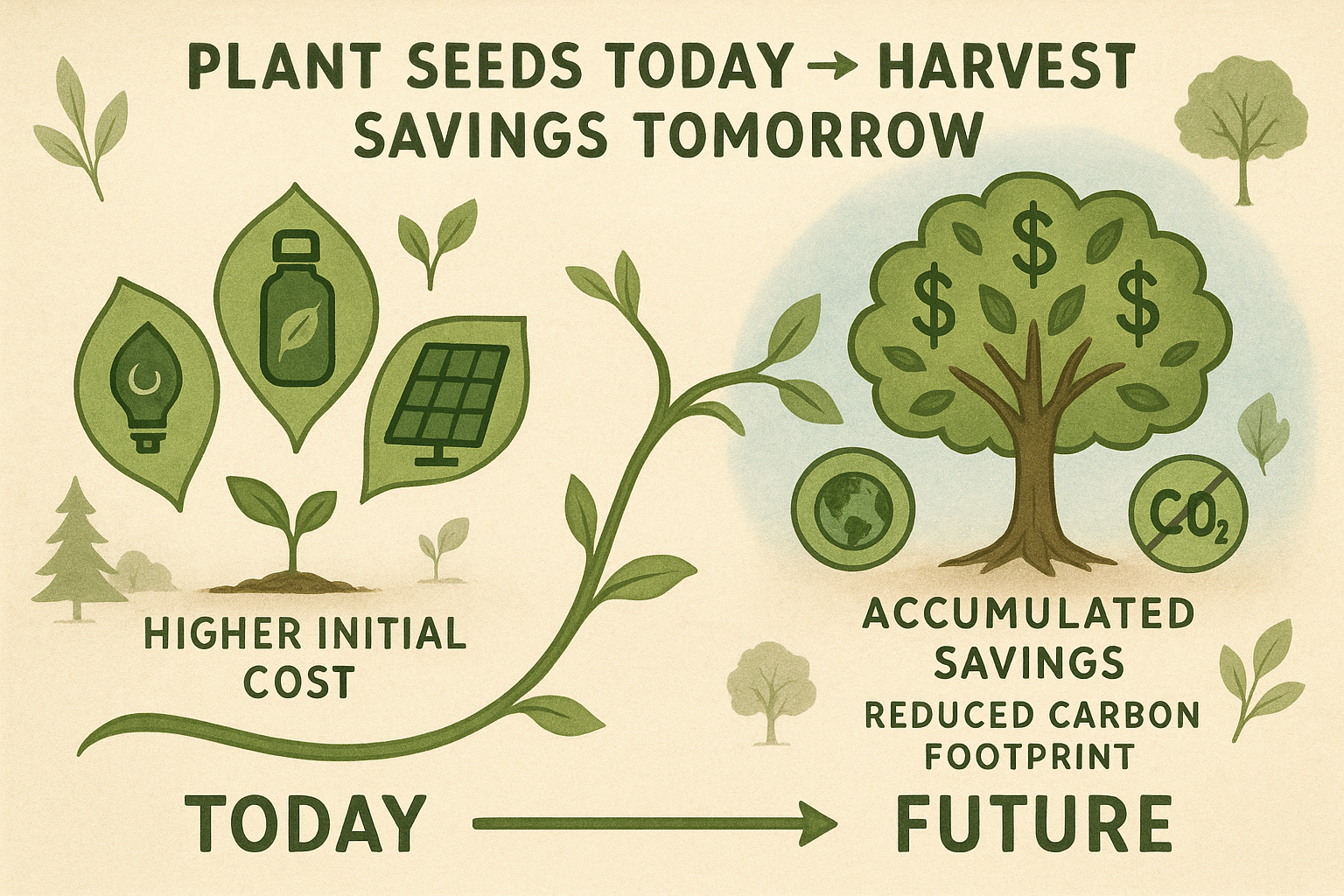
Two ideas help answer: Is sustainable living expensive? First, total cost of ownership. That is the price to buy, run, fix, and dispose of something. Second, payback. That is how long savings take to cover the upfront cost.
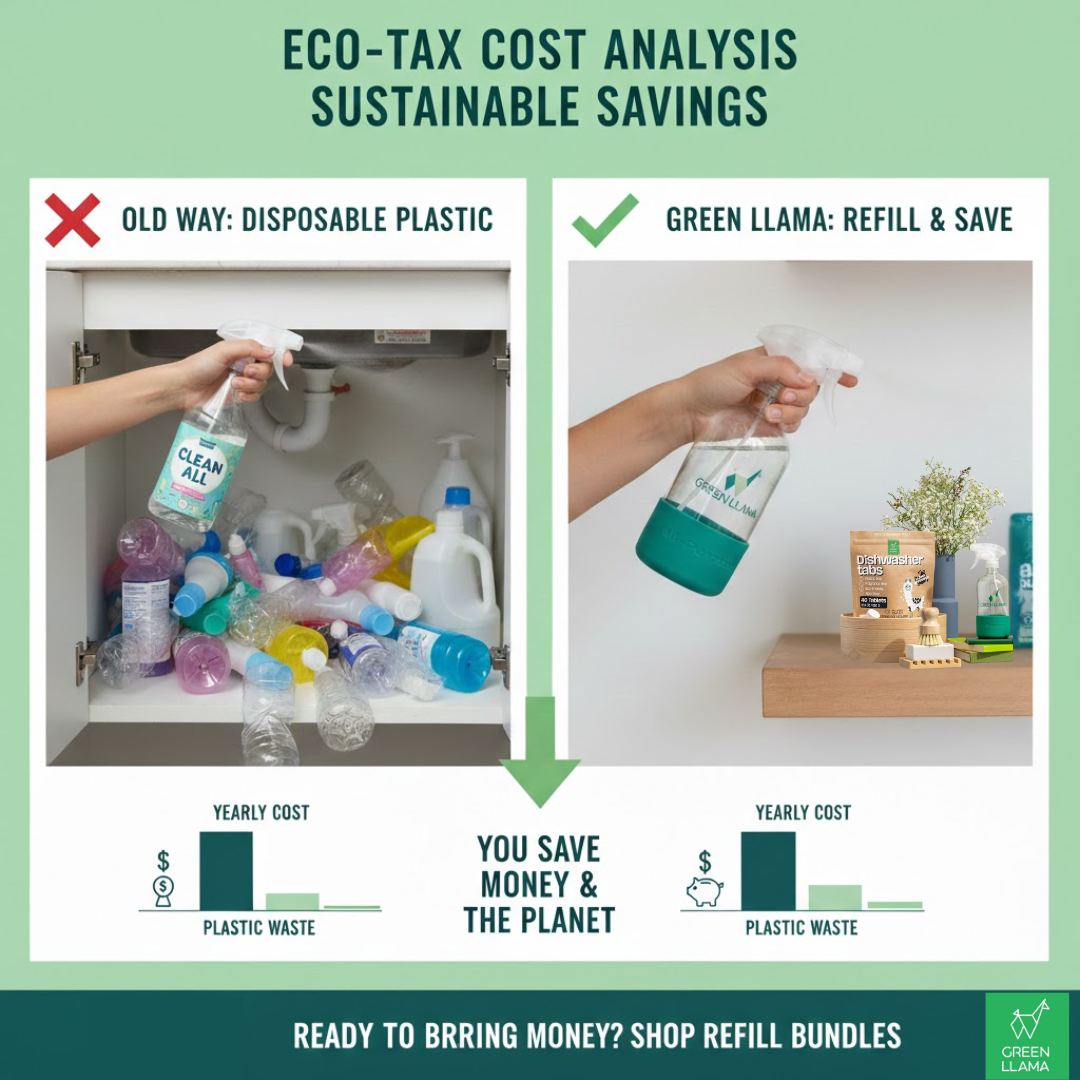
Here is a simple example. An LED bulb may cost a bit more at the store. It uses far less power and lasts many years. Over its life, it can save many times its price on your bill.
What does “payback period” mean?
It is the time it takes for savings to equal the extra cost you paid upfront. Short payback means you get your money back fast. Many home fixes pay back in months, not years.
Source: greenllamaclean.com
Is Sustainable Living Expensive? Myths vs Reality
Myth: Green options always cost more.
Reality: Many swaps cost less the very first month. Others pay back within a year.
Myth: You must buy new eco gear.
Reality: Most impact comes from using what you have, buying less, and fixing more.
Myth: Organic or local food is always pricier.
Reality: A plant-forward plan can cut food costs even with some organic picks.
From my own bills, the math is clear. I replaced an old fridge with an efficient one. A rebate helped. My energy costs fell by about $10 a month. Payback was under seven years, and the unit runs quiet and cool.
Studies find that weather sealing and better insulation can cut home energy use by 10 to 30 percent. LEDs can cut lighting power by most of the load. Transit passes can beat car costs, which include fuel, insurance, and upkeep. Ask again, Is sustainable living expensive?, and you often find the answer is no when you look at total costs.
Does sustainable living save money every month?
Many steps do. Cold-water laundry, LED lighting, shorter showers, and smarter driving show up as quick bill cuts. Bigger steps like heat pumps or solar can pay back over time, then save for years.

Source: swasya.com
Everyday Low-Cost Sustainable Swaps
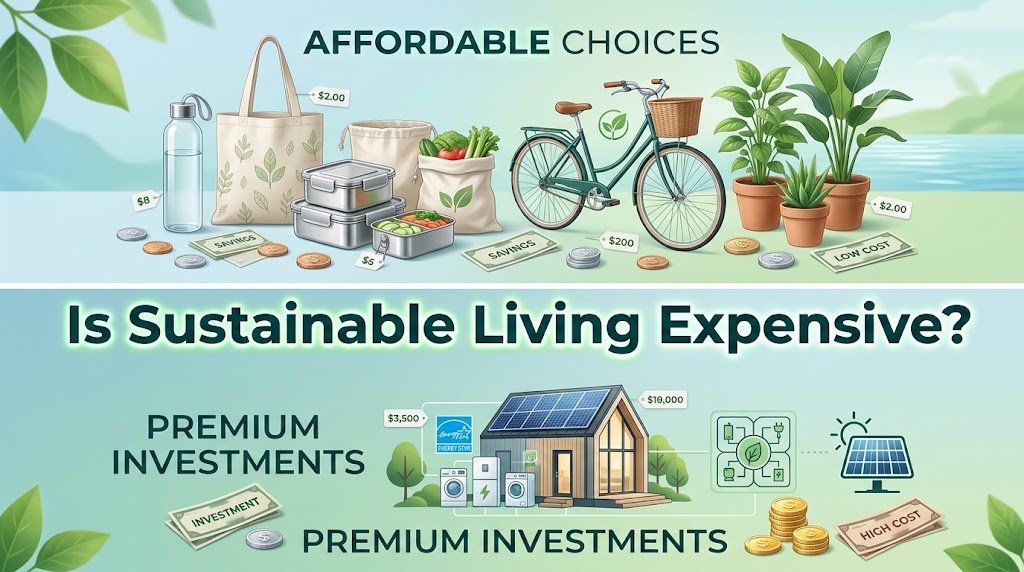
You do not need a big budget to start. Small moves stack up fast. If you wonder, Is sustainable living expensive?, begin with these low or no-cost wins.
Energy at home
- Set your thermostat 2 degrees closer to outdoor temps. It can trim heating or cooling costs.
- Seal drafts with weatherstripping and door sweeps. It is cheap and fast.
- Switch to LEDs in the most-used rooms first.
- Use smart power strips to stop standby power.
Water
- Install faucet aerators and a low-flow showerhead. They save water and heat.
- Fix leaks right away. A slow drip wastes gallons every day.
Laundry and kitchen
- Wash in cold water. Modern detergents work well in cold.
- Air-dry part of your laundry. Even half loads save.
- Use lids when boiling. It heats food faster and uses less gas or power.
Food
- Plan meals and cook once, eat twice. Waste less, spend less.
- Swap two meat dinners a week for beans or lentils. It cuts cost and carbon.
- Store produce well. A crisper bin and clear labels reduce spoilage.
Transport
- Combine errands and keep tires pumped. It saves fuel.
- Try one car-free day a week with transit, biking, or walking.
- Carpool with a neighbor or coworker.
Shopping and waste
- Borrow or rent tools you rarely use.
- Buy quality used goods. Thrift and online exchanges save a lot.
- Skip single-use items. Use a bottle, mug, and sturdy tote.
These steps lower bills now. They also build habits that make bigger steps easier later.
Source: greenllamaclean.com
When Is Sustainable Living Expensive? Make Smart Trade-offs
Some upgrades can be costly at first. Think heat pumps, solar panels, triple-pane windows, or an electric car. Is sustainable living expensive? It can be if you buy too fast or pick the wrong spec. A clear plan avoids that.
Use this simple checklist before you buy:
- Start with the leaks. Air sealing, LEDs, and smart plugs first. They are cheap and fast.
- Check your rates. Energy prices, climate, and usage shape payback.
- Hunt incentives. Rebates and tax credits can cut costs a lot.
- Size right. Oversized gear costs more and can perform worse.
- Compare total costs. Include fuel, upkeep, repairs, and resale value.
- Time your buys. Replace when old gear fails or deals are best.
Quick examples
- Heat pump: Best in mild to cold areas with high gas prices or green power. Payback can be a few years with rebates.
- Solar: Works well with good sun and high rates. Payback can be short if you have net metering and tax credits.
- EV: Higher sticker price in some cases. Lower fuel and upkeep can flip the math within years. Home charging helps.
What if I rent?
You still have options. Use draft stoppers, LEDs, smart plugs, and heavy curtains. Choose a green power plan if offered. Track bills to show your landlord how small fixes can raise comfort and value.

Source: rainbowvegansrock.com
Incentives, Rebates, and Where to Find Help
You do not have to pay full price for greener upgrades. Many places offer support.
What to look for
- Utility rebates for heat pumps, insulation, smart thermostats, and LEDs.
- Tax credits for efficient appliances, home energy upgrades, and clean cars.
- Low-interest loans or on-bill financing for home improvements.
- Transit benefits from employers.
- Community groups: tool libraries, repair cafés, buy-nothing groups.
- Local programs for home energy audits. Some are free.
How to find them fast
- Check your utility’s rebate page and sign up for alerts.
- Search your city and state sites for “energy rebate” or “clean energy credit.”
- Ask local installers to price projects with incentives included.
- Join community groups where neighbors share deals and tips.
With support, the answer to Is sustainable living expensive? often shifts to a clear no. The right incentive can turn a long payback into a short one.
Source: greenllamaclean.com
Mistakes to Avoid and Tips That Work
Avoid these common traps
- Buying lots of “green” stuff you do not need. Use what you have first.
- Chasing perfection. Aim for steady progress, not zero waste on day one.
- Ignoring your time. Complex routines that you hate will not last.
- Skipping upkeep. Dirty filters and leaky ducts eat savings.
- Not tracking results. Check bills to see what works and what does not.
Tips from the field
- Start with one room or one bill. Momentum beats overwhelm.
- Bundle small fixes on the same day. Wins feel bigger together.
- Share or split costs with neighbors. Bulk buys cut price and waste.
- Keep a simple log of changes and savings.
From my own home, I once bought niche “eco” gadgets that sat in a drawer. They were cute, not useful. The changes that stuck were LEDs, cold washes, a draft stopper, and meal plans. They cost little and paid back fast. When friends ask, Is sustainable living expensive?, I say it depends on the path you pick—and the steady habits win.

Source: youtube.com
Frequently Asked Questions: Is Sustainable Living Expensive?
Is sustainable living expensive?
Often no. Many actions are free or low-cost and save money right away. Bigger upgrades can pay back over time with rebates and lower bills.
What is the cheapest way to start sustainable living?
Start with LEDs, cold-water laundry, fixing drafts, and meal planning. These steps are simple and can lower your bills this month.
Do organic groceries always cost more?
Not always. Mixing some organic with a plant-forward plan and buying in season can keep costs low.
Will an electric car save me money?
It can. Lower fuel and maintenance often offset a higher purchase price within a few years, especially with tax credits.
How can I tell if an upgrade is worth it?
Use total cost of ownership and payback. Include purchase price, energy, upkeep, repair, and any rebates or tax credits.
Can renters practice sustainable living without upgrades?
Yes. Focus on habits, LEDs, draft stoppers, smart plugs, and transit. Choose green power plans where available.
Why do people think sustainable living is expensive?
We notice sticker prices more than long-term costs. Ads also push new “eco” products rather than simple, low-cost habits.
Conclusion
Is sustainable living expensive? It can be if you rush into big buys. But for most people, the least-cost path is simple: cut waste first, use what you own, and upgrade when the math is strong. Stack small wins, use incentives, and track your bills.
Pick one action today. Swap five bulbs, seal one draft, or plan three meat-free meals. Then build from there. If this guide helped, subscribe for more tips, share it with a friend, or leave a comment with your next step.