
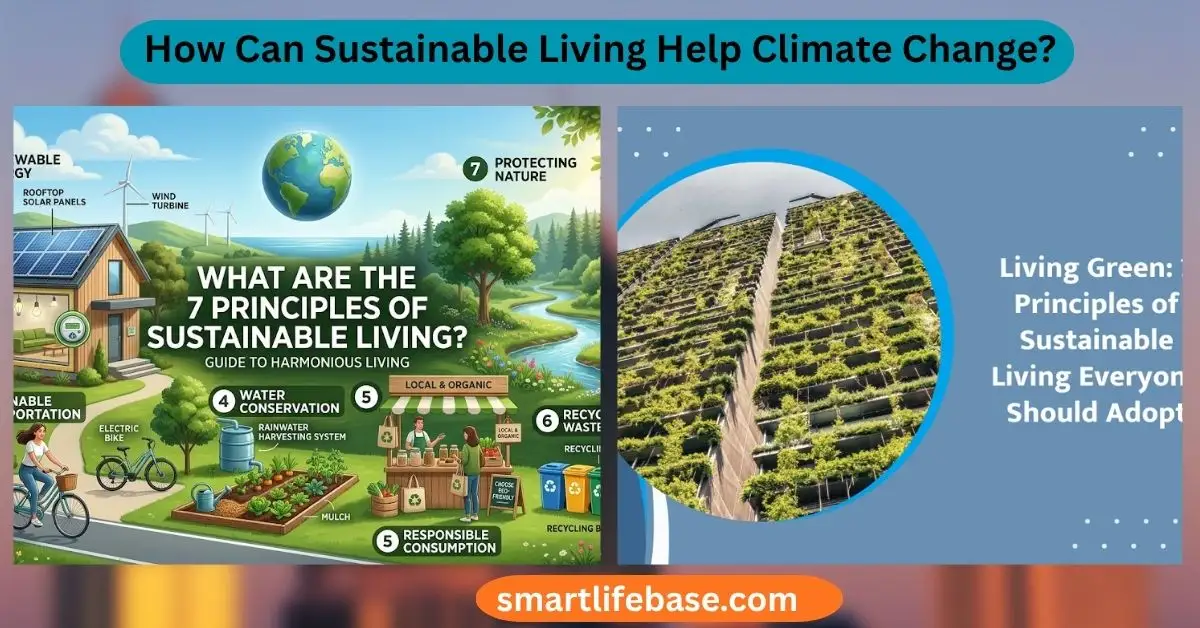
Learn: What Are The 7 Principles Of Sustainable Living? Get quick, practical tips to live greener, cut waste, and save money today. They are the 7 Rs: Rethink, Refuse, Reduce, Reuse, Repair, Recycle, Rot. Sustainable living is not a fad. It is a clear roadmap for daily choices that protect our health, save money, and cut our footprint.
In this guide, I draw on years of hands-on practice to show how the 7 principles of sustainable living work in real life. You will see what matters, what to skip, and how to get results that last.
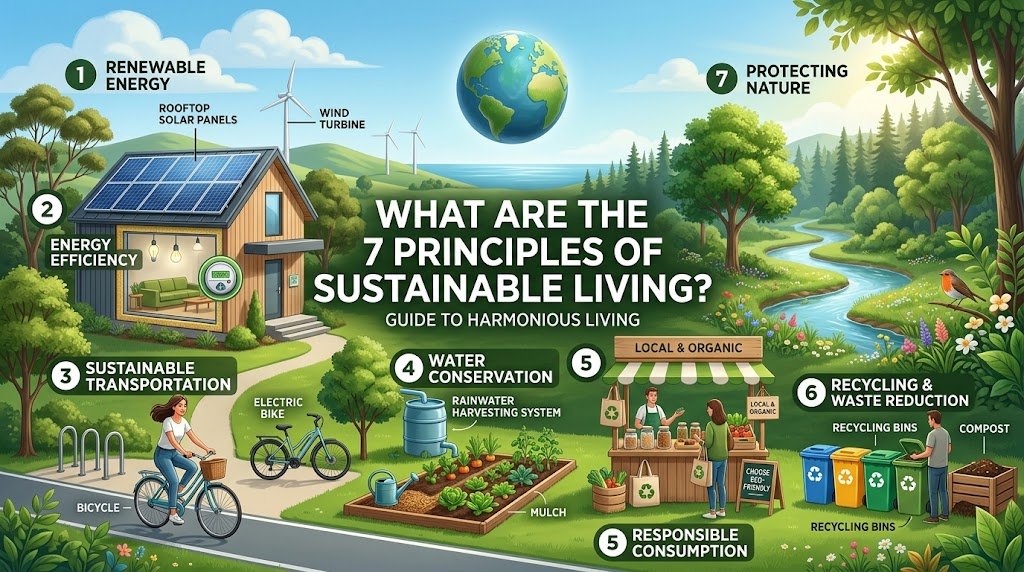
What is sustainable living?
Sustainable living means meeting today’s needs without harming tomorrow’s needs. It looks at the full life of things. This includes how items are made, moved, used, and disposed of. The goal is to lower waste, save energy and water, and support fair, local, and circular systems.
Why it matters:
- It protects air, water, and soil.
- It saves money by cutting waste and energy use.
- It builds stronger local communities and supply chains.
Core ideas behind sustainable living:
- Systems thinking. Your choices connect to larger cycles.
- Life-cycle thinking. Consider extraction, production, use, and end of life.
- Circular economy. Keep materials in use for as long as possible.
My take from years of practice: small steps stack up. In my home audit, simple fixes like LED bulbs, a smart power strip, and better fridge settings cut our energy use by about a quarter. That is the power of sustainable living made easy.
Source: developmentresearch.eu
Principle 1: Rethink
Rethink is the mindset shift. It asks better questions before you act. It is the top principle of sustainable living because it shapes every other step.
How to apply it:
- Ask: Do I need this, or do I have an alternative?
- Choose durable, repairable, and low-impact options.
- Prefer services and sharing over ownership when it fits.
Real example:
- I used to buy bottled drinks on trips. I rethought the habit and now carry a steel bottle. It removed a weekly pile of plastic and saved cash.
Watch-outs:
- Convenience can derail you. Plan ahead with a list and a kit.
- Avoid perfection traps. Aim for better, not perfect.

Source: jonathandaxcooke.us
Principle 2: Refuse
Refuse means saying no to items that create waste or harm. It is a filter at the door.
What to refuse:
- Single-use plastics like bags, cutlery, straws.
- Freebies and samples you do not need.
- Excess packaging and fast-fashion impulse buys.
Practical tips:
- Carry a tote, bottle, and cup.
- Add a note to deliveries: minimal packaging, please.
- Unsubscribe from promo emails to cut impulse buys.
From my work with teams, a simple policy to refuse single-use items at events cut event waste bags by more than half. This is sustainable living in action.
Source: worldbank.org
Principle 3: Reduce
Reduce is using less. It targets energy, water, materials, and time. It pays back fast.
Smart ways to reduce at home:
- Energy. Switch to LED bulbs. Use a smart thermostat. Unplug idle devices.
- Water. Fix leaks, install aerators, and take shorter showers.
- Food. Plan meals, use a list, and store food well to avoid waste.
At work:
- Print only when needed. Use both sides.
- Consolidate shipments and meetings to cut travel and freight.
- Choose cloud tools over extra hardware when possible.
Common mistake:
- Chasing rare hacks before fixing big drains. Start with the big three: heating and cooling, hot water, and food waste. This is core to sustainable living and gives quick wins.

Source: co.uk
Principle 4: Reuse
Reuse keeps items in play. It saves money and avoids emissions from new products.
Ideas to try:
- Use jars for storage and leftovers.
- Choose refill options for soap, coffee, and spices.
- Borrow tools from a library of things or a neighbor.
Personal note:
- I host a monthly swap in my building. People bring books, kids’ clothes, and kitchenware. It builds community and slashes waste. It makes sustainable living feel social and fun.
Quality tip:
- Pick sturdy basics that age well. Glass, steel, wood, and quality fabrics last and are easier to clean and reuse.
Principle 5: Repair
Repair extends life. It is cheaper than replacement and keeps value in the loop.
Where to start:
- Learn simple fixes like sewing a button, gluing a sole, or replacing a phone battery.
- Use repair cafés and online guides.
- Keep a small kit: screwdrivers, needle and thread, glue, and spare parts.
When to repair vs replace:
- Repair if the fix is safe, cheaper than half the price of new, and the item still meets your needs.
- Replace if the old item is unsafe or very inefficient. Donate or recycle parts when you can.
I fixed a wobbly chair and a flickering lamp with basic tools. It took under an hour and saved two items from the bin. That is practical sustainable living.
Principle 6: Recycle
Recycle is the last resort for materials you cannot refuse, reduce, reuse, or repair. It turns waste into feedstock.
Do it right:
- Check local rules. They change by city.
- Rinse containers and remove food residue.
- Keep bags, films, and cords out of curbside bins unless accepted.
Better recycling choices:
- Choose items with clear labels and common materials like aluminum, glass, and certain plastics.
- Buy recycled-content products to close the loop.
Limitation to note:
- Recycling rates vary. Contamination can ruin loads. So the other principles of sustainable living come first. Recycle well, but do more upstream.
Principle 7: Rot (Compost)
Rot means compost. It returns food scraps and yard waste to soil. It cuts methane from landfills and feeds plants.
Ways to compost:
- Backyard bin or pile for those with space.
- Countertop bokashi or worm bin for apartments.
- City green bins or drop-off sites if available.
What to include:
- Fruit and veg scraps, coffee grounds, tea, and yard trimmings.
- Avoid meat and dairy in simple home systems unless you have guidance.
My practice:
- A small worm bin under the sink handles most scraps. It is clean, quick, and makes rich castings for houseplants. This simple habit boosts the success of sustainable living at home.
How to get started with the 7 principles
A simple 30-day plan:
- Days 1–7: Rethink and refuse. Make a list of the top five waste items. Set up a daily carry kit.
- Days 8–14: Reduce. Swap bulbs, fix leaks, and set a smart thermostat schedule.
- Days 15–21: Reuse. Set up food storage, refill basics, and start a swap habit.
- Days 22–30: Repair and rot. Fix one item. Start compost. Review recycling rules.
Track progress:
- Keep a one-page log of energy, water, and trash. Note changes and savings.
- Celebrate small wins. Share them. This builds momentum and keeps sustainable living part of your routine.
Frequently Asked Questions: What Are The 7 Principles Of Sustainable Living?
What are the 7 principles of sustainable living?
They are the 7 Rs: Rethink, Refuse, Reduce, Reuse, Repair, Recycle, and Rot. They guide daily choices to cut waste, save resources, and support a circular system.
Which principle should I start with first?
Start with Rethink and Reduce. They shape habits and deliver quick gains in energy, water, and money.
How does composting fit into sustainable living?
Composting, or Rot, turns food scraps into soil. It lowers landfill methane and improves plant health at home.
Is recycling enough on its own?
No. Recycling helps, but it works best after Refuse, Reduce, Reuse, and Repair. Focus on upstream choices first.
Can I practice sustainable living on a tight budget?
Yes. Use what you have, borrow, and buy less. Most savings come from using less energy, water, and stuff.
What if my city has limited recycling options?
Lean harder on Refuse, Reduce, Reuse, and Repair. Look for drop-off sites or mail-back programs for tricky items.
Do I have to be perfect to make a difference?
Not at all. Consistent small steps add up. Aim for progress, not perfection, and improve as you learn.
Conclusion
The 7 principles of sustainable living are simple, practical, and proven. Rethink what you need. Refuse what you do not. Reduce waste. Reuse and repair what you can. Recycle wisely. Let scraps rot back into soil. Each step saves money, time, and resources.
Take one action today. Set up a daily carry kit, fix a leak, or plan a compost start date. Share your first win with a friend or neighbor and invite them to join. If this guide helped, subscribe for more how-tos, explore our other resources, or leave a comment with your next step.