

Get practical steps on How To Improve Home Safety With Smart Tech- from smart locks to sensors, plus setup tips and 2026 advice to protect your home. Use smart locks, sensors, cameras, and automation to prevent, detect, and respond. Smart home safety is more than gadgets; it is a plan that works when stress is high and seconds matter.
In this guide on How To Improve Home Safety With Smart Tech, I share proven setups, clear steps, and real lessons from helping families secure homes with devices that talk, learn, and act fast.
What Smart Home Safety Means
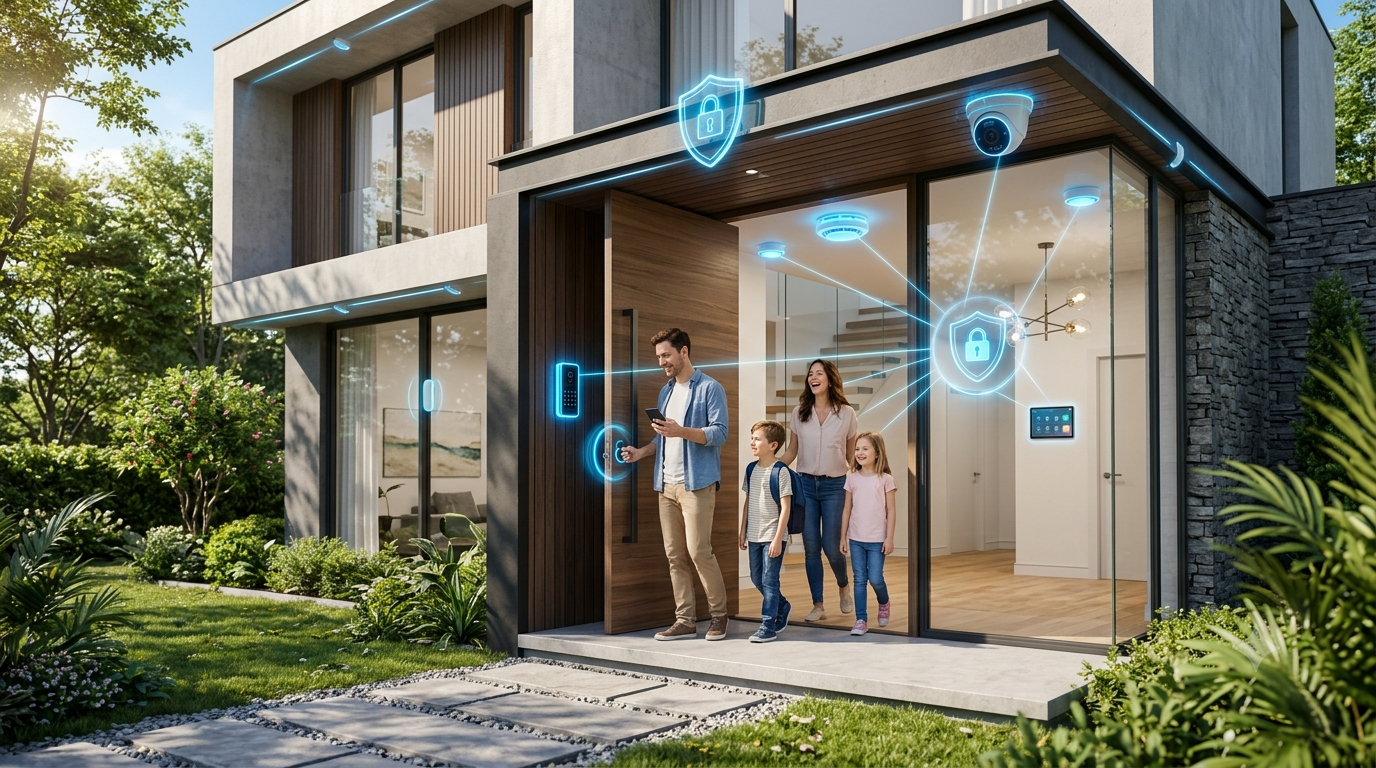
Smart home safety blends prevention, early detection, and fast response. It links devices so they work as a team. The goal is to reduce risk, cut response time, and give you peace of mind at home and away.
A strong setup covers four layers:
- Deter with lights, signs, and visible cameras.
- Detect with sensors, alarms, and smart analytics.
- Decide with clear alerts and simple rules that run on time or by trigger.
- Respond with sirens, recordings, lock controls, and help from pros if needed.
Choose devices that follow common standards to improve reliability. Newer tech like Matter and Thread can increase speed and compatibility. Wi‑Fi 6 helps crowded networks. For How To Improve Home Safety With Smart Tech?, aim for simple, fast, and secure.

Source: titanalarm.net
Core Devices For A Safer Home
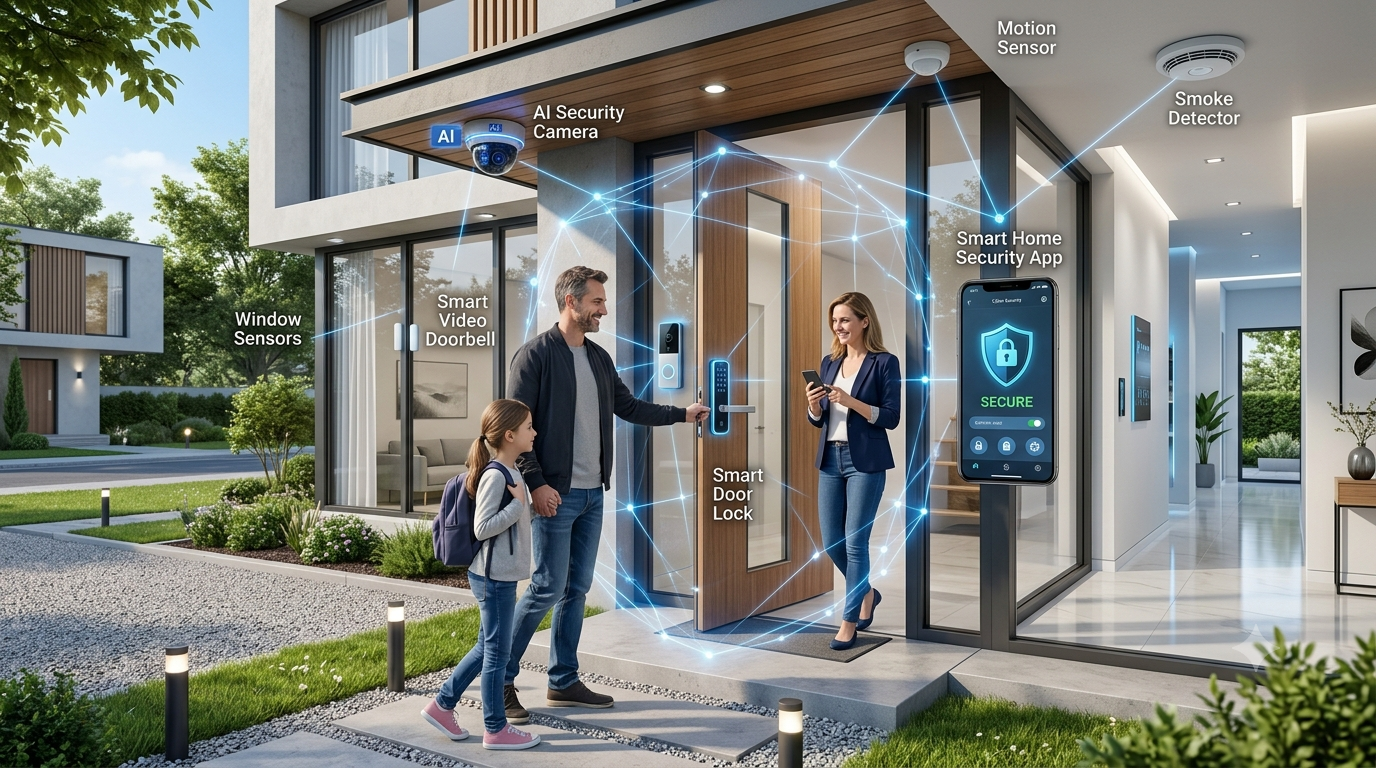
A few device types deliver the most value. Focus on the essentials first.
- Smart locks let you use codes, phone keys, or auto‑lock. Share temporary codes with guests and workers. Keep a physical key for backup.
- Video doorbells show faces and packages. Use zones and privacy masks to avoid false alerts and neighbor views.
- Indoor and outdoor cameras add context. Choose models with local storage or reliable cloud options. Enable two‑factor login.
- Entry and motion sensors watch doors, windows, and halls. Link them to lights and sirens to deter intruders.
- Smoke and carbon monoxide alarms are must‑haves. Smart models send phone alerts and can trigger lights and cameras.
- Water leak and freeze sensors save money. Place them near sinks, toilets, fridges, heaters, and laundry.
- Smart lighting boosts safety. Use motion or schedules to simulate presence and light dark paths.
- Smart plugs and shutoff valves add control. Turn off irons, heaters, or water when you leave.
- A hub or unified app ties it all together. Fewer apps mean fewer misses in an emergency.
If you ask How To Improve Home Safety With Smart Tech?, start with alarms, locks, and lights. Then add cameras and sensors where risk is highest.
Source: substack.com
Practical Setups Room-by-Room
Tackle safety by area. Small changes add up to a safer home.
- Entry and porch
- Video doorbell, smart lock with auto‑lock, and a motion light.
- Set a rule: after dark, one press of the doorbell turns on pathway lights.
- Living areas
- Motion sensors, indoor camera facing common space, and smart plugs for lamps.
- Use presence sensing to turn on lights when you arrive.
- Bedrooms and hallways
- Smoke and carbon monoxide alarms in each bedroom and outside sleeping areas.
- Night lights on motion for safe trips at night.
- Kitchen and laundry
- Leak sensor under sink and near dishwasher. Range or plug monitor for stove reminders.
- Laundry leak sensor near washer and a floor drain if possible.
- Basement, garage, and attic
- Leak sensors near heater and sump. Tilt sensor on garage door with auto‑close prompt.
- Door sensor to ensure access points close at night.
- Outdoors
- Cameras that avoid neighbor windows. Motion lights on drive and yard.
- Gate sensor to track pool or back entrance access.
These plans are a direct answer to How To Improve Home Safety With Smart Tech? because they reduce blind spots room by room.

Source: connectsecurity.com
Automation Recipes That Stop Problems Fast
Automation helps devices act at once. Keep rules simple, clear, and easy to test.
- If smoke is detected, then turn on all lights, unlock the front door, and announce the alert on speakers.
- If a water leak is detected, then shut the water main valve and send high‑priority alerts to phones.
- If motion is detected in the yard at night, then turn on floodlights and start camera recording for two minutes.
- If a door opens while you are away, then sound a siren, record video, and notify a trusted contact.
- If you go to bed, then arm perimeter sensors, close the garage if open, and set the thermostat.
Automation is central to How To Improve Home Safety With Smart Tech? because it cuts decision time when every second counts.

Source: fireandsafetyjournalamericas.com
Network, Privacy, and Data Security
Safety devices are only as strong as the network that connects them. Protect your data and access.
- Use a strong router with WPA3 and turn on automatic updates.
- Place smart devices on a separate Wi‑Fi network or VLAN. Keep phones and laptops on a main network.
- Turn on two‑factor authentication for all apps. Use unique passwords with a password manager.
- Review camera privacy settings. Use activity zones and masks. Consider local storage with encryption.
- Limit user access. Give each family member a profile with the right permissions.
- Log and review events. Spot odd activity like repeated failed logins.
- Keep firmware updated. Schedule device checks monthly.
From a security view, How To Improve Home Safety With Smart Tech? means building a safe digital base first.
Installation Tips, Testing, and Maintenance
Good installs and routine checks prevent failures.
- Place smoke alarms in each bedroom, outside sleeping areas, and on every level. Test monthly. Replace units about every 10 years.
- Put carbon monoxide alarms on each level and near bedrooms. Do not place them right next to fuel devices.
- Label sensors with location and install date. Keep spare batteries on hand.
- Run monthly drills. Trigger test alerts and confirm you get notifications at home and away.
- Create a simple emergency plan. Add a contact tree and meeting spot. Post it in the kitchen.
- Add a small UPS to the router and hub to keep alerts working during short outages.
As I set up homes, one leak sensor under a water heater has saved more damage than any camera. Regular tests turn How To Improve Home Safety With Smart Tech? from a hope into a habit.

Source: connectsecurity.com
Special Cases: Kids, Seniors, Renters, and Pets
Tailor your setup to the people and pets in your home.
- Kids
- Use contact sensors on medicine cabinets and garages.
- Share lock PINs with time limits. Set alerts for when kids get home.
- Seniors
- Add fall‑detection wearables or cameras with consent. Use voice assistants for easy calls.
- Set wellness routines that check for morning movement and send a gentle prompt if not detected.
- Renters
- Choose no‑drill gear like battery cameras, smart plugs, and standalone sensors.
- Use a smart lock that replaces only the interior deadbolt.
- Pets
- Set camera detection to ignore pets. Use robot vacs on schedules after pets settle.
- Smart feeders and pet doors with tags add safety and control.
These choices show How To Improve Home Safety With Smart Tech. Works for many living styles and needs.

Source: ilinktech.com
Cost, ROI, and Insurance Savings
Start small and scale with real gains.
- Typical starter kit
- Video doorbell, smart lock, two cameras, four entry sensors, and two leak sensors.
- Expect a few hundred dollars for hardware, plus optional monthly cloud or pro monitoring.
- Value drivers
- Water sensors and shutoff valves often pay for themselves by avoiding a single leak event.
- Monitored alarms may earn insurance discounts. Check your policy.
- Ongoing costs
- Cloud storage, pro monitoring, and battery replacement. Budget a small monthly fee.
Viewed over a few years, How To Improve Home Safety With Smart Tech? gives a high return by cutting risk and stress.
Common Mistakes To Avoid
Learn from real installs and common pain points.
- Relying only on cameras without sensors or lights.
- Ignoring network security and app permissions.
- Placing alarms wrong or not testing them.
- Over‑automating with complex rules you cannot remember.
- Skipping privacy settings or sharing admin access too widely.
Avoid these traps to make How To Improve Home Safety With Smart Tech? steady and reliable.
How To Improve Home Safety With Smart Tech? A Step-by-Step Plan
Follow this path to build a safe, smart home in stages.
- List your top risks by area: fire, intrusion, leaks, and injury.
- Fix basics first: locks, lights, and working smoke and carbon monoxide alarms.
- Add a video doorbell and a smart lock. Set up two‑factor login.
- Place entry sensors on main doors and windows. Add motion in halls.
- Install leak sensors in wet zones. Consider a shutoff valve.
- Add cameras where they help, never where they invade privacy.
- Create three core automations: fire response, water response, and night mode.
- Secure the network. Use a separate Wi‑Fi for smart devices.
- Test monthly. Update firmware. Replace batteries on a schedule.
- Review logs and refine rules every quarter. Expand only if needed.
This plan puts How To Improve Home Safety With Smart Tech? into action with clear wins at each step.
Frequently Asked Questions of How To Improve Home Safety With Smart Tech?
Do I need a hub or can I use Wi‑Fi devices only?
You can start with Wi‑Fi devices and a strong router. A hub can improve reliability, local control, and battery life for sensors as your system grows.
How many smoke and carbon monoxide alarms do I need?
Place smoke alarms in each bedroom, outside sleeping areas, and on every level. Place carbon monoxide alarms on each level and near sleeping areas.
Are smart cameras safe to use?
Yes, if you secure accounts with two‑factor login and use strong passwords. Turn on encryption, set privacy zones, and update firmware often.
Will smart tech work during a power or internet outage?
Battery devices can still detect and sound local alarms. Add a small UPS for the router and hub, and choose devices with local processing for key automations.
What is the best first device to buy?
Start with a video doorbell or smart lock for fast impact. Add leak sensors next; they are low cost and prevent costly damage.
Can renters use smart safety tools without drilling?
Yes. Choose battery cameras, smart plugs, stick‑on sensors, and an interior deadbolt smart lock. Always follow lease rules.
How do I prevent false alarms at night?
Use motion zones, adjust sensitivity, and enable person detection where possible. Pair motion with lighting to confirm events.
Do smart devices lower insurance costs?
Many insurers offer discounts for monitored alarms, leak detection, or professional security. Check your policy and submit proof of installation.
How private are voice assistants for safety use?
Limit voice purchases, disable unnecessary skills, and review voice history. Use voice for critical commands like calling for help or unlocking doors with a PIN.
What standards should I look for?
Look for devices that support Matter or Thread for better compatibility. Also check safety listings and certifications for alarms and shutoff valves.
Conclusion
Smart safety works best when devices act together with clear rules and good habits. Start with alarms, locks, lights, and leaks, then grow with cameras, sensors, and simple automations that you test each month. With a secure network and a short plan, you turn stress into calm and risk into control.
Ready to build your plan today? Pick one step from this guide, set it up now, and tell me which part of How To Improve Home Safety With Smart Tech? you want to master next. Subscribe for more step‑by‑step guides and practical checklists.





2 Comments