What Are The Benefits Of Smart Home Technology? Discover how smart homes improve convenience, security, energy efficiency, and comfort. Learn the top benefits, real-life use cases, and why smart home systems are worth it for modern living. It saves time, cuts energy costs, boosts security, and improves daily comfort.
Smart home technology is more than gadgets. It is a system that makes your home work for you. I have built, tested, and lived with these tools for years. In this guide, I break down what are the benefits of smart home technology with clear steps, real examples, and data you can trust.
Source: gensecurity.com
How Smart Home Technology Works
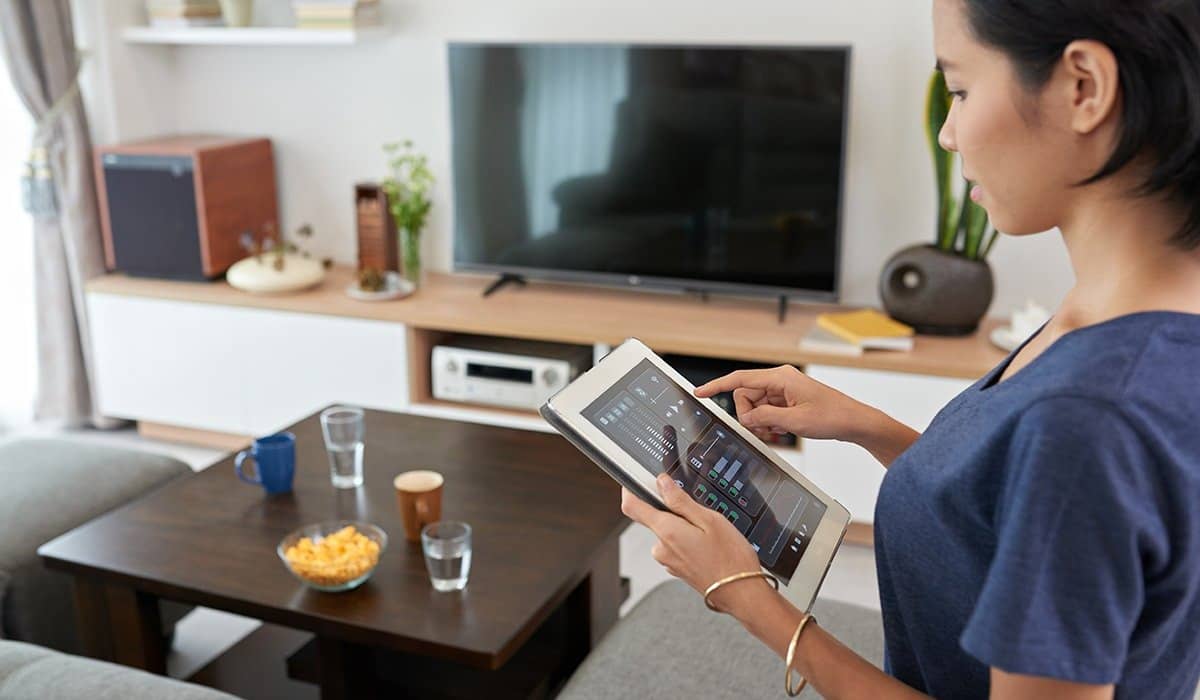
Smart home technology links devices so they can sense, decide, and act. You can use an app, voice, or set rules to run your home. The result is a home that reacts in real time to your needs.
The core parts include:
- Devices. Lights, plugs, thermostats, locks, cameras, and sensors.
- Network. Wi‑Fi or low-power radios like Zigbee or Thread.
- Control. Apps, voice assistants, hubs, and the new Matter standard.
- Logic. Scenes, schedules, geofencing, and automations.
Here is a simple flow. A motion sensor sees you enter a room. The hub checks the time and light level. It turns on the warm light and sets the music to a soft level. You did not touch a button.
Two principles help your setup scale. Local control keeps key rules running even when the internet is down. Open standards reduce lock‑in and make new gear work with old gear.
Do I need a hub for smart home technology?
Not always. Many devices work with just Wi‑Fi. A hub or bridge can improve speed, range, and local control.
Will smart home technology work with slow internet?
Yes, for most local tasks. Cloud features like video view or remote access may feel slow with weak service.
Can renters use smart home technology?
Yes. Start with bulbs, plugs, and sensors that do not need wiring. Take them with you when you move.
Source: co.uk
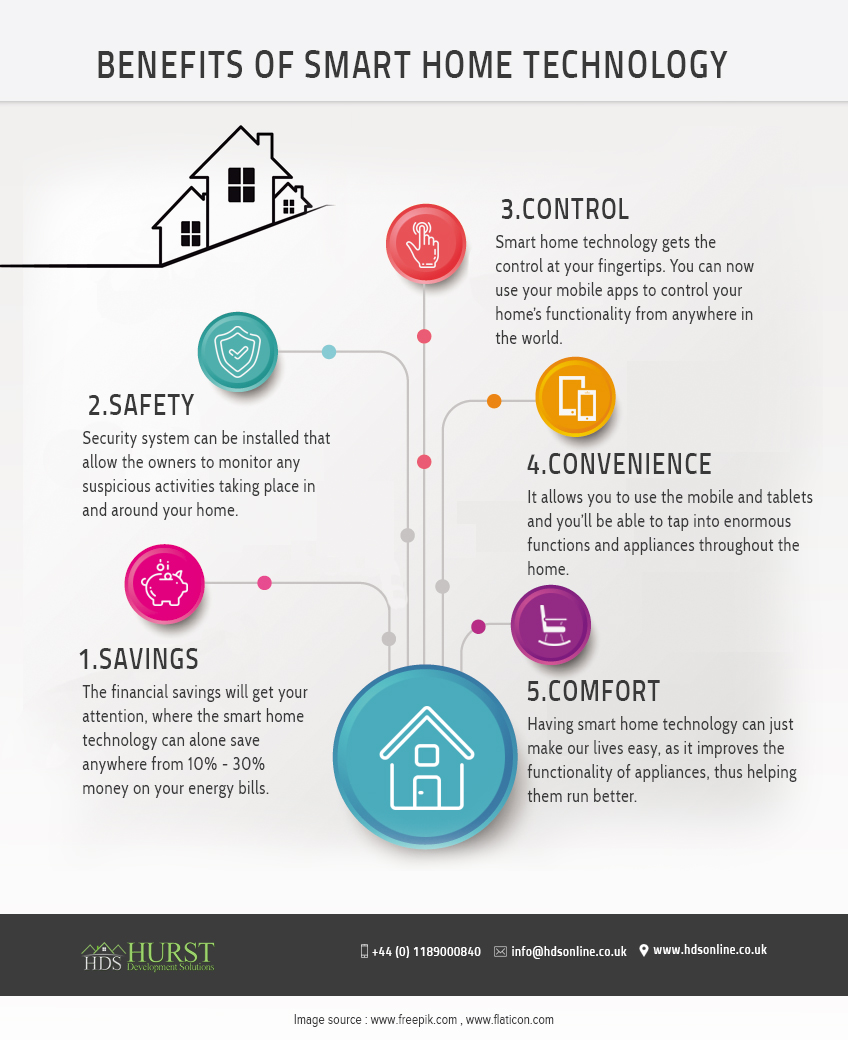
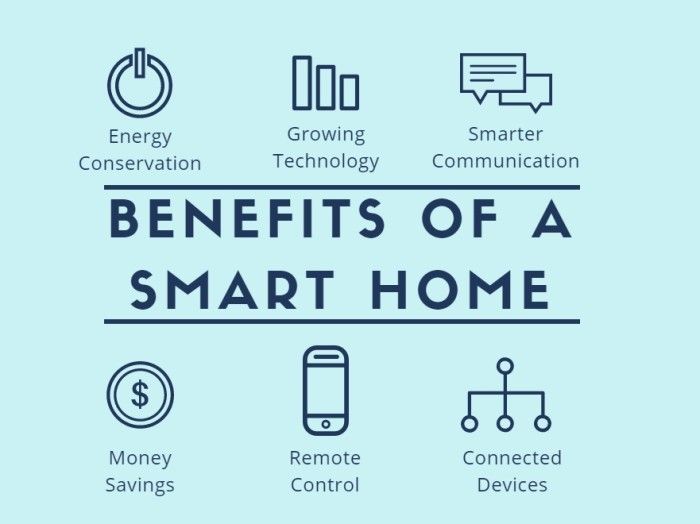
Core Benefits: Convenience and Time Savings
Smart home technology removes small chores that pile up in a day. Set lights to follow the sun. Let the door lock when you leave. Run your robot vacuum on a set schedule.
Here are time savers I use at home:
- A morning scene. Blinds rise. Lights glow warm. Coffee starts. News plays.
- A leave‑home rule. The thermostat goes to eco. All lights turn off. Doors lock.
- A goodnight routine. All shades close. The alarm arms. Kids’ night lights stay on.
This adds up. I track my tasks. Smart home technology saved me about 20 minutes a day. That is over two hours a week back to my family.
Source: neeeco.com
Energy Efficiency and Cost Savings
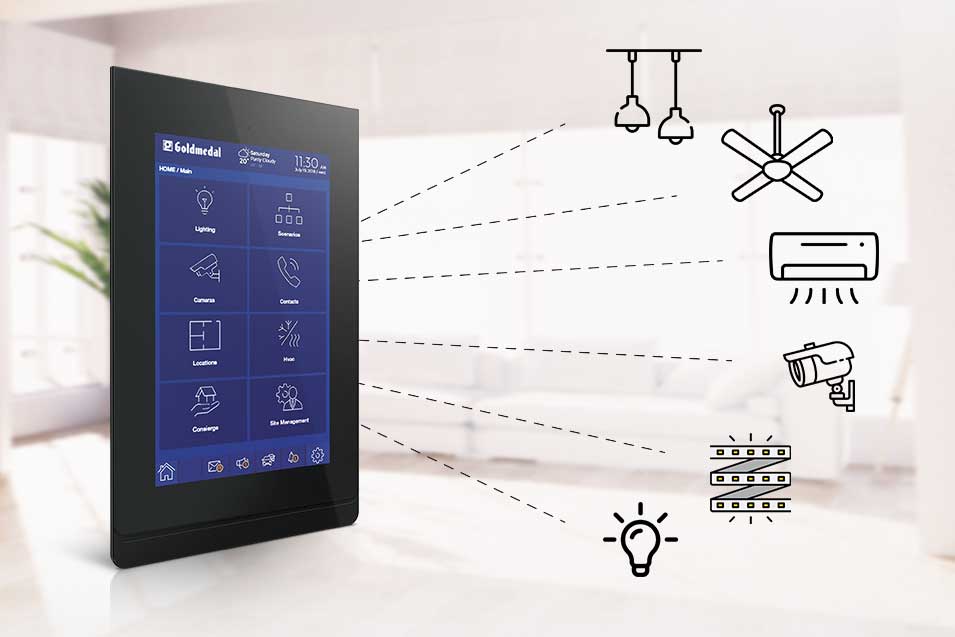
Smart home technology can trim your bills. Thermostats learn your routes and set back heat or cool when you are out. Smart plugs kill stand‑by use. Lights dim when daylight is bright.
Independent field tests report real gains. Smart thermostats can save around 10 to 15 percent on heating and cooling. LEDs paired with sensors can cut lighting use by 30 percent or more.
Try these low-cost wins:
- Use schedules and presence for the thermostat.
- Add motion sensors to halls, baths, and closets.
- Set hot water recirc pumps to run only when needed.
- Use smart plugs to turn off game consoles at night.
Ask your power company about rebates. Many pay you to join the demand response. Your gear shifts loads at peak times. You save more and lower grid strain.
Source: goldmedalindia.com
Security and Safety Enhancements
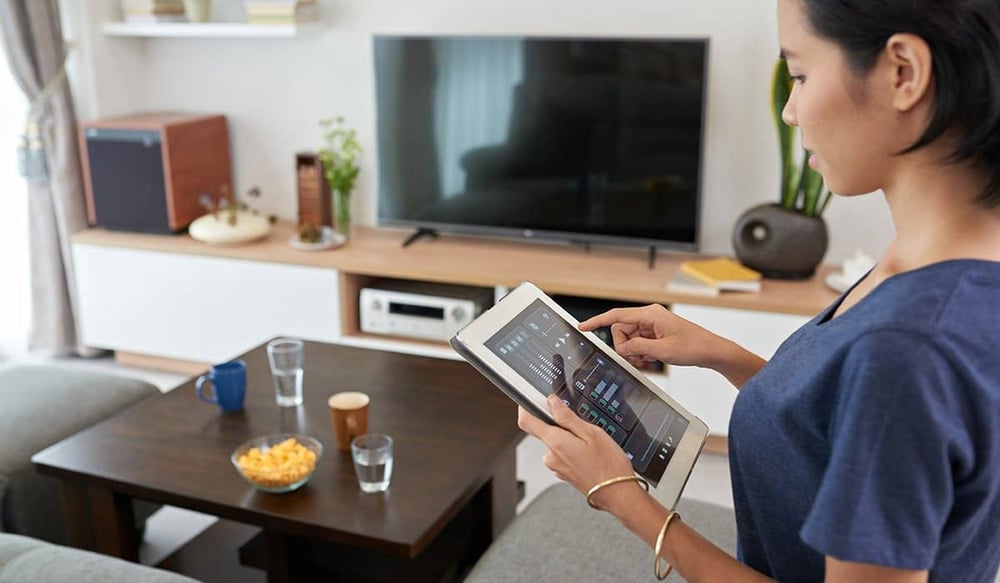
Smart home technology adds eyes and alerts when you are away. Video doorbells show who is there. Smart locks grant codes for guests. Sensors tell you if a door opens at odd hours.
Safety goes beyond theft. Smoke and CO detectors send phone alerts. Leak sensors spot water under sinks or near the washer. I caught a pinhole leak under my kitchen sink at 2 a.m. thanks to a cheap sensor. A small alert saved a big repair.
Use simple steps to boost peace of mind:
- Turn on two‑factor auth for all accounts.
- Share guest codes, not keys. Set them to expire.
- Enable privacy zones and blur for cameras.
- Log and review device alerts once a month.
Source: gensecurity.com
Comfort, Health, and Accessibility
Smart home technology fine-tunes your space to feel right. Zoned climate control keeps key rooms in range. Air sensors watch PM2.5 and VOCs. Fans and purifiers turn on only when needed.
Light has a big effect on mood. Use warm light at night to wind down. Use cool light in the morning to wake up. I track sleep with a simple rule: no bright white after 9 p.m. It helps more than coffee.
It also helps people with limited mobility. Voice control can lock doors, start calls, or set the oven. Caregivers can check in with shared alerts. This is called aging in place. It keeps people safe and proud at home.
Source: Innexia.in
Entertainment, Lifestyle, and Productivity
Smart home technology makes fun and work flow with less fuss. Speakers link rooms. TV scenes drop lights and close shades. Music follows you from the kitchen to the deck.
For a home office, small tweaks matter:
- Desk lights turn on when you sit.
- A sign light outside the door shows you are on a call.
- A smart plug cuts power to chargers at night.
These touches clear the mental load. You get more done with less stress. Your home feels like a calm, aware helper.

Source: mcarthurhomes.com
Property Value, Insurance, and Sustainability
Smart home technology can help a home stand out. Buyers like turnkey setups that cut bills and raise comfort. Clean wiring, labeled scenes, and clear docs add trust.
Many insurers offer small discounts for alarms, leak sensors, or monitored smoke alerts. Ask your agent what qualifies. Even a 5 percent cut can offset device cost in a year or two.
There is a planet win too. Lower power use cuts your carbon footprint. Load shift helps the grid use more clean power. Smart home technology turns good intent into daily action.

Source: iotforall.com
Limitations, Risks, and How to Mitigate
No system is perfect. Smart home technology can fail, clash, or feel hard to use. You can plan for this.
Common risks and fixes:
- Privacy and data. Use vendors with clear local options. Turn off data you do not need.
- Security. Update firmware. Use strong, unique passwords. Put IoT on a guest or VLAN network.
- Lock‑in. Choose a gear that works with Matter, Thread, or multiple ecosystems.
- Complexity. Start small. Name devices well. Document scenes and share them.
I once built a maze of rules that broke when Wi‑Fi blinked. Now I favor fewer, local automations. I test one new rule a week, not five.
How to Get Started: A Practical Roadmap
You can grow smart home technology room by room. Keep it simple and clear.
Step‑by‑step plan:
- Define goals. Pick the top two: save energy, boost safety, or add comfort.
- Audit your network. Place your router well. Add one or two access points if needed.
- Choose an ecosystem. Try Apple Home, Google Home, or Amazon Alexa. Use Matter when you can.
- Start with wins. Thermostat, smart dimmers in key rooms, and a few sensors.
- Build scenes. Morning, bedtime, away, and movie night.
- Test and tune. Change one thing at a time. Watch logs and alerts for a week.
- Back-up plans. Keep manual switches. Store a copy of your rules.
Mistakes to avoid:
- Buying lots of random gear on sale.
- Skipping names and labels. Clear names save time.
- Relying only on the cloud for core tasks.
Frequently Asked Questions: What Are The Benefits Of Smart Home Technology?
Does smart home technology work without the internet?
Local control can run many rules without the internet. For remote access and video, you will need a live connection.
Is smart home technology hard to install?
Many devices are plug-and-play. Wired gear like switches may need a pro, but clear guides make it simple.
How much can I save on energy?
Most homes see 10 to 20 percent savings with a smart thermostat and lighting controls. Results vary by climate and habits.
Is smart home technology safe from hackers?
It can be safe with a good setup. Use strong passwords, updates, and a separate network for devices.
What if devices from different brands do not work together?
Look for Matter support and open standards. Check device lists before you buy to ensure they integrate.
Conclusion
Smart home technology gives you time back, lowers bills, and keeps your home safe. It also raises comfort and can help loved ones stay independent. With a clear plan and a few smart choices, you can build a system that feels natural and stays secure.
Pick one goal and take one small step this week. Set up a scene, add a sensor, or tune your thermostat. Share your wins or questions in the comments, and subscribe for more simple, expert tips.