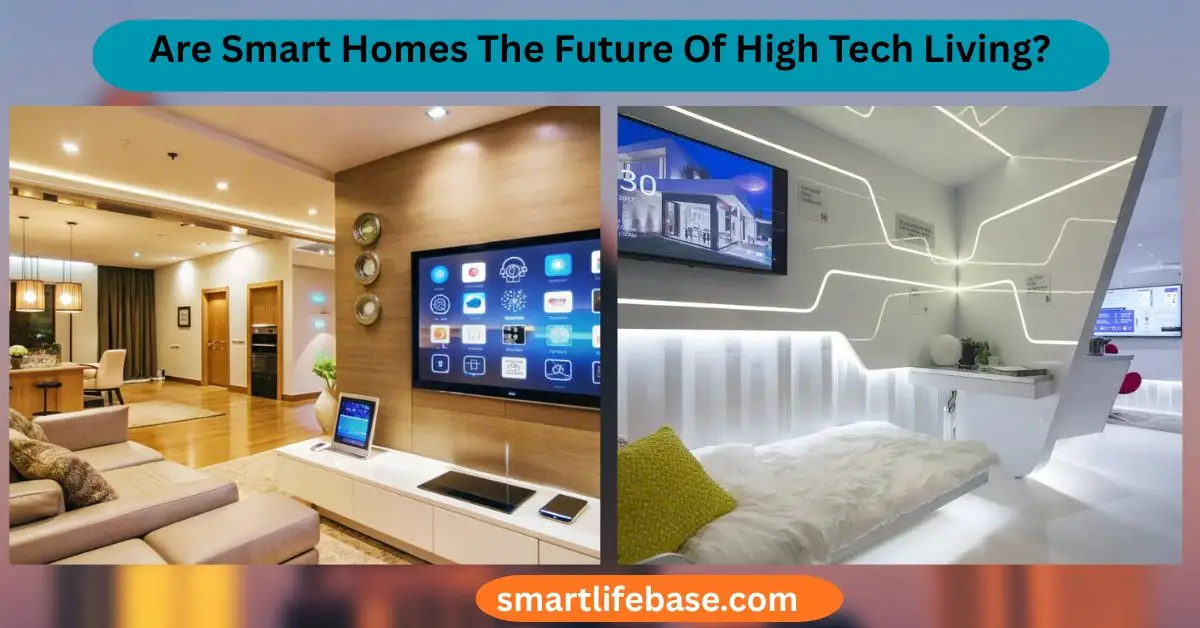
Are Smart Homes The Future Of High Tech Living? Explore 2026 trends, costs, security, and ROI to decide if connected living fits your lifestyle. Yes, smart homes are shaping high-tech living with seamless, secure, energy-savvy automation. I have spent years planning, installing, and optimizing connected homes. I have seen what works, what breaks, and what pays back.
Here, I answer a core question with clear facts and hands-on tips: Are Smart Homes the Future of High-Tech Living? I will show real gains, honest gaps, and smart steps you can use now to build a safer, greener, and more connected home.
Source: newsweek.com
What Is a Smart Home? Core Pieces and How They Work
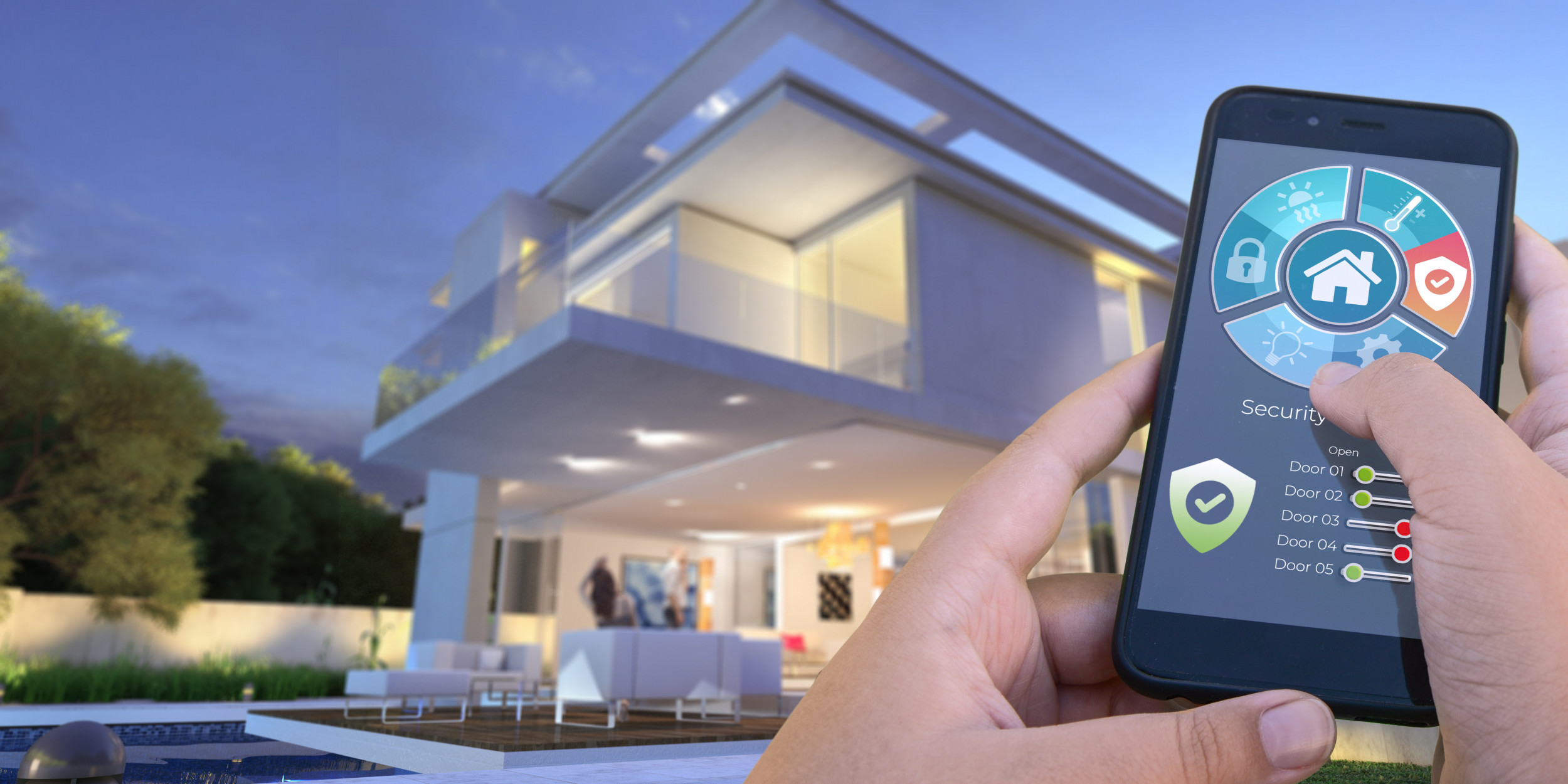
A smart home is a house with connected devices that talk to each other. They sense, decide, and act. You control them by voice, app, or rules. The core idea is simple. Make the home adapt to you.
Key parts include:
- Hubs and platforms that link devices. Think voice assistants and home apps.
- Sensors that track motion, doors, light, air quality, and energy use.
- Actuators like lights, locks, blinds, and valves that do the work.
- Networks like Wi‑Fi, Thread, Zigbee, and Z‑Wave that move data.
- Standards like Matter that help devices speak one shared language.
How it plays out day to day:
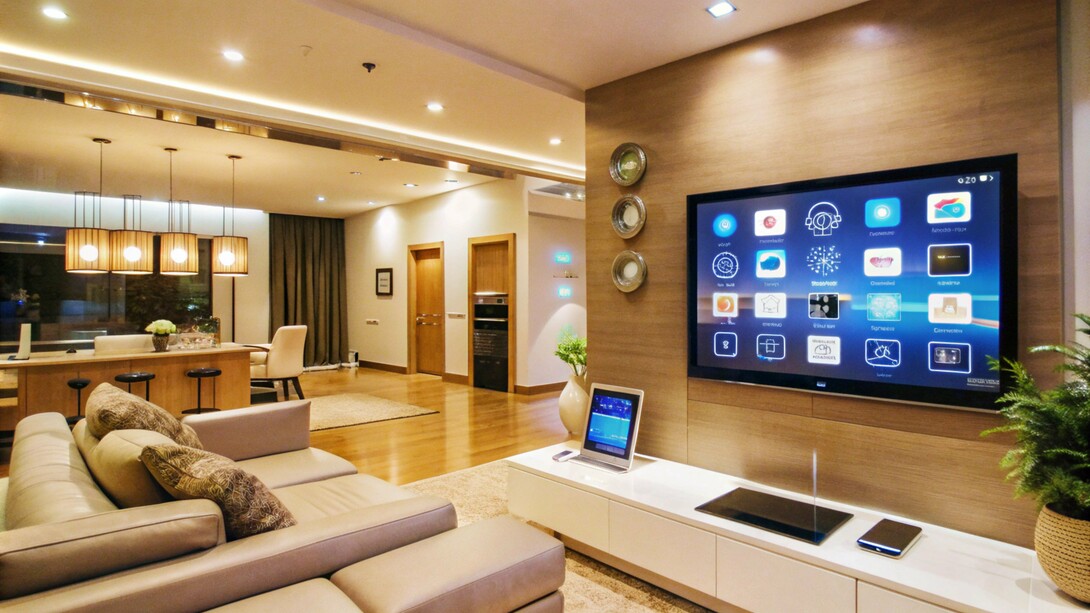
- Lights fade on as you walk in. They turn off when you leave.
- The thermostat learns your routine. It saves power while you sleep.
- A leak sensor shuts the water valve fast. A text warns you at once.
- A doorbell shows who is there. You talk and unlock if you trust it.

Source: aspirefinehomes.com
Are Smart Homes The Future Of High Tech Living? Market Trends and Adoption
The short answer is yes. Most new devices now ship with some form of smarts. Broad use is on the rise. Many homes already run lights, locks, or speakers by voice. Many local rules also push for energy control. That makes smart gear more common in new builds and retrofits.
What I see in the field:
- Demand is strong for comfort, safety, and lower bills.
- Builders prewire for power, data, and sensors to keep costs down.
- Owners want devices that work with any brand. Matter helps bridge gaps.
Data from recent industry reports:
- Smart home use grows by double digits each year.
- Smart thermostats cut heating by about 10 to 12 percent. Cooling drops by about 15 percent in many homes.
- Wi‑Fi 6 and Thread make networks more stable at home scale.
So, Are Smart Homes The Future Of High Tech Living? The growth path, policy push, and clear gains say yes.
Source: meer.com
Benefits That Matter Day to Day
Smart homes can pay off in small ways each hour. Over time, those small wins add up.
Top benefits:
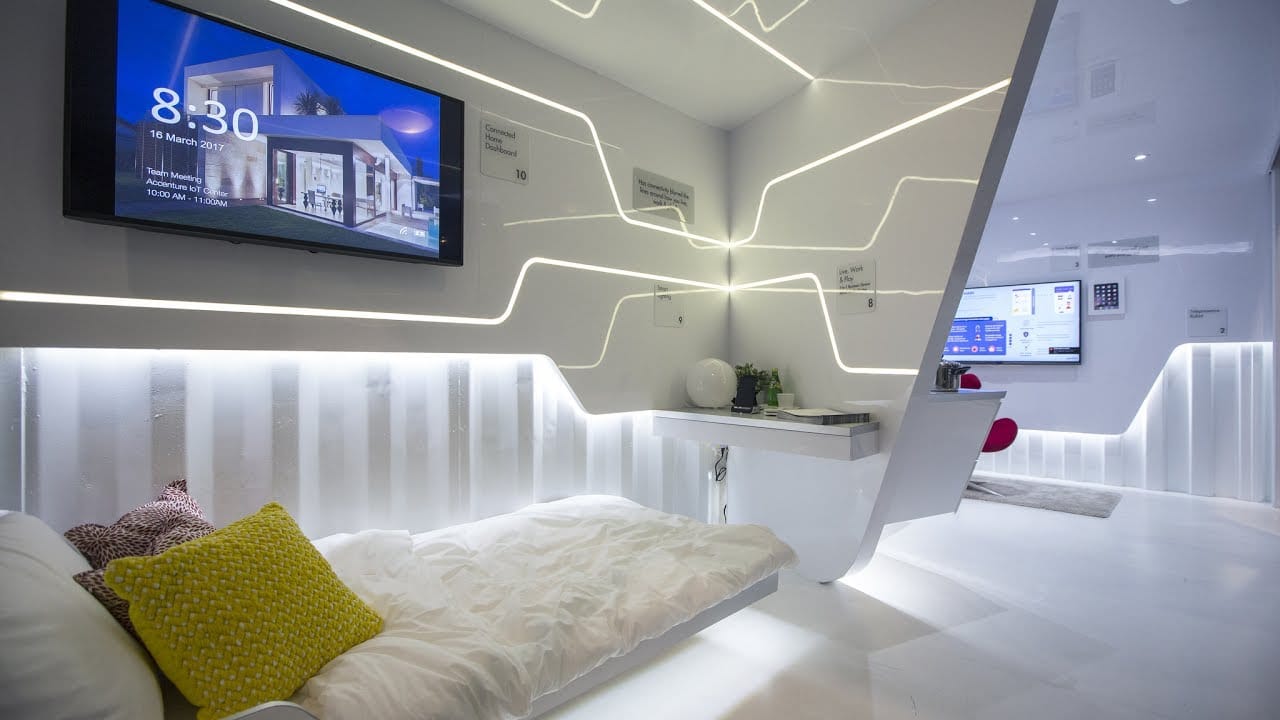
- Comfort and ease. Routines handle the boring stuff so you do not have to.
- Energy savings. Smart heat, cool, and light trim waste with little effort.
- Safety and peace of mind. Alerts for doors, leaks, smoke, and carbon monoxide.
- Access and care. Voice control and automated scenes help older adults and people with limited mobility.
- Insight. Dashboards show what drives cost. You can fix the top culprits fast.
Real-world example:
- A client used smart blinds and a learning thermostat. Bills fell 18 percent in one summer. The house stayed cool with less AC.
Are Smart Homes The Future Of High Tech Living? If value is comfort, safety, and lower cost, the case is strong.
Source: ligerinteriors.com
Risks, Limits, and How to Avoid Them
Smart homes are not magic. They can fail if you skip the basics.
Common risks:
- Privacy and data leaks. Cameras and mics can expose your life.
- Weak passwords and no updates. That opens the door to attacks.
- Vendor lock‑in. One app for each device leads to mess and regret.
- Poor Wi‑Fi. Dead zones break routines and frustrate your family.
How to reduce risk:
- Use strong, unique passwords and turn on multi‑factor login.
- Keep firmware and apps up to date.
- Put smart gear on a guest or VLAN network if you can.
- Prefer devices that support Matter and local control.
- Test backup modes. Make sure you can still use a switch or key.
I once fixed a house where lights froze when the router rebooted. We added a hub with local scenes. We set fallbacks to physical switches. No more dark halls. Lessons learned: design for failure and keep control close to home.
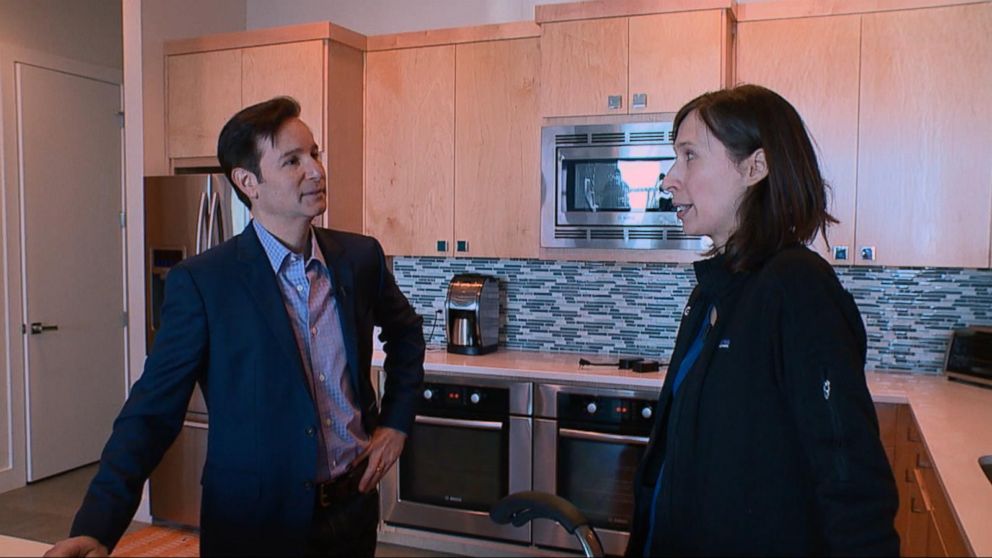
Are Smart Homes The Future Of High Tech Living? Only if we build them with privacy, safety, and graceful failure in mind.
Source: abcnews.com
Real Life Lessons From the Field
I have led more than 30 installs. Here is what I learned.
What works:
- Start small. Pick one or two high-impact rooms. Show fast wins.
- Map your network. Place access points to avoid drop zones.
- Choose devices that work offline for key tasks like lights and locks.
- Document your setup. Label gear and save the rules.
What to avoid:
- Do not chase every new gadget. Add only what solves a real need.
- Do not skip surge protection. One storm can fry a smart hub.
- Do not place cameras where guests expect privacy. Trust beats any rule set.
My favorite setup:
- Thread for sensors and bulbs. Wi‑Fi for heavy gear. A hub with local scenes. A simple wall switch for each key light. It feels smart yet never fragile.
Are Smart Homes The Future Of High Tech Living? With a plan like this, the answer stays yes over time.

Source: saunadekor.com
Buying Guide: Build a Smart Home That Lasts
Use this short plan to buy once and buy right.
Step by step:
- Define goals. Comfort, energy, safety, or access. Rank them.
- Pick a platform. Make sure it supports Matter and local control.
- Fix the network. Add access points if needed. Check every room.
- Start with core devices. Thermostat, lights, locks, sensors, and shades.
- Add by zone. Build scenes room by room.
- Test rules for a week before you scale.
What to look for in devices:
- Matter support and long vendor track record
- Local control and clear privacy policy
- Open APIs for future proofing
- Easy install and strong warranty
Are Smart Homes The Future Of High Tech Living? With a smart buying plan, you lock in value that lasts.

Source: oltdesign.com
Emerging Tech That Will Shape the Next Five Years
The next wave is about brains at the edge and better links between brands.
Trends to watch:
- Matter keeps growing. More device types will join scenes and energy data.
- Edge AI on hubs and cameras. Faster, private, on‑device action.
- Smarter energy. Devices join demand response to cut peak loads and save.
- Wi‑Fi 7 and better Thread mesh. Lower lag and more stable links.
- Digital twins of your home. Plan rules and test changes before you go live.
A note on AI:
- Good AI helps when it learns your habits but runs on your hub.
- Keep cloud use for opt‑in features. Keep core tasks local.
Are Smart Homes The Future Of High Tech Living? With these trends, the curve still points up.

Source: saunadekor.com
ROI and Energy Savings: What the Numbers Say
You can measure gains. That is key for trust and for planning.
Typical paybacks I see:
- Smart thermostats. One to three years from energy savings alone.
- LED smart lighting. One to two years when you add motion and daylight use.
- Leak sensors with auto shutoff. One event can pay for the whole system.
How to track ROI:
- Set a baseline for 30 days. Then apply changes one by one.
- Use device energy charts. Tag scenes and compare months.
- Check local rebates for heat pumps, smart thermostats, and EV chargers.
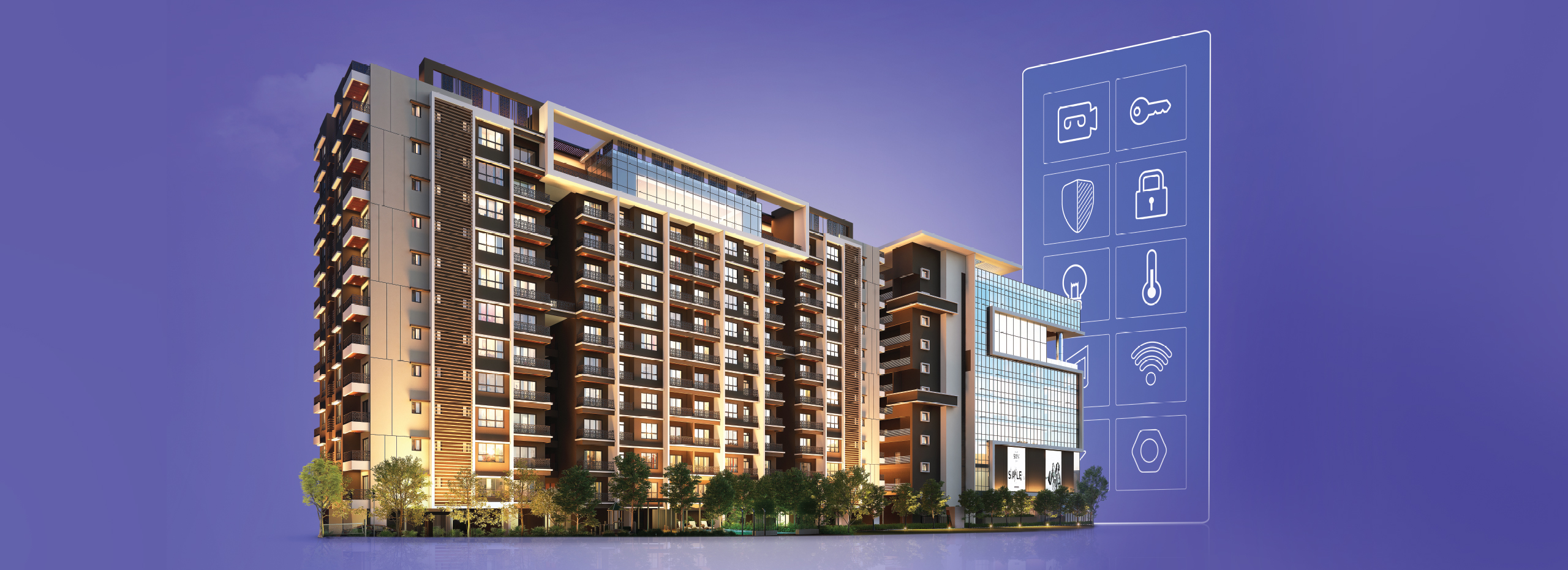
Are Smart Homes The Future Of High Tech Living? The math often says yes when you track and tune.
Source: utkalbuilders.com
Sustainability and Accessibility
A smart home can be green and kind.
Sustainability tips:
- Use schedules tied to sunrise and sunset.
- Let sensors dim lights and slow HVAC when rooms are empty.
- Add smart blinds to block heat in summer and let the sun warm in winter.
Accessibility wins:
- Voice scenes for lights, doors, and media.
- Smart doorbells with two‑way talk and clear alerts.
- Big, simple wall controls for guests and older adults.
Are Smart Homes The Future Of High Tech Living? When they serve both planet and people, the future looks bright.
Frequently Asked Questions of Are Smart Homes The Future Of High Tech Living?
What is the best way to start a smart home?
Begin with one room and one use case, like lights or climate. Pick devices that support Matter and local control so you can grow with less pain.
Do smart homes save real money?
Yes. Smart thermostats and lighting can cut energy use by 10 to 20 percent. Track bills for proof and tune rules month by month.
Are smart homes safe from hackers?
They can be safe when you use strong passwords, updates, and a guest network. Choose brands with clear privacy policies and local control.
Will my devices work together?
Pick a platform that supports Matter, Thread, and common voice assistants. This makes cross‑brand devices work in one app and in shared scenes.
What happens if the internet goes down?
Good systems keep core tasks local. Lights, locks, and scenes should still run from the hub and physical switches.
Are smart homes hard to maintain?
No, if you document your setup and keep it simple. Update firmware on a schedule and avoid unused automations.
Can renters use smart home tech?
Yes. Try plug‑in sensors, smart bulbs, and Wi‑Fi locks with owner approval. You can take them with you when you move.
Conclusion
Are Smart Homes The Future Of High Tech Living? The evidence, trends, and real cases point to yes. The gains in comfort, safety, savings, and access are clear when you plan well and design for failure.
Take one step this week. Map your goals, fix your Wi‑Fi, and start with one room. Keep control local, choose Matter‑ready gear, and track the wins. Are Smart Homes The Future of High-Tech Living? With the right choices, they are your present too. Ready to go deeper? Subscribe, share your questions, or leave a comment with your next smart move.