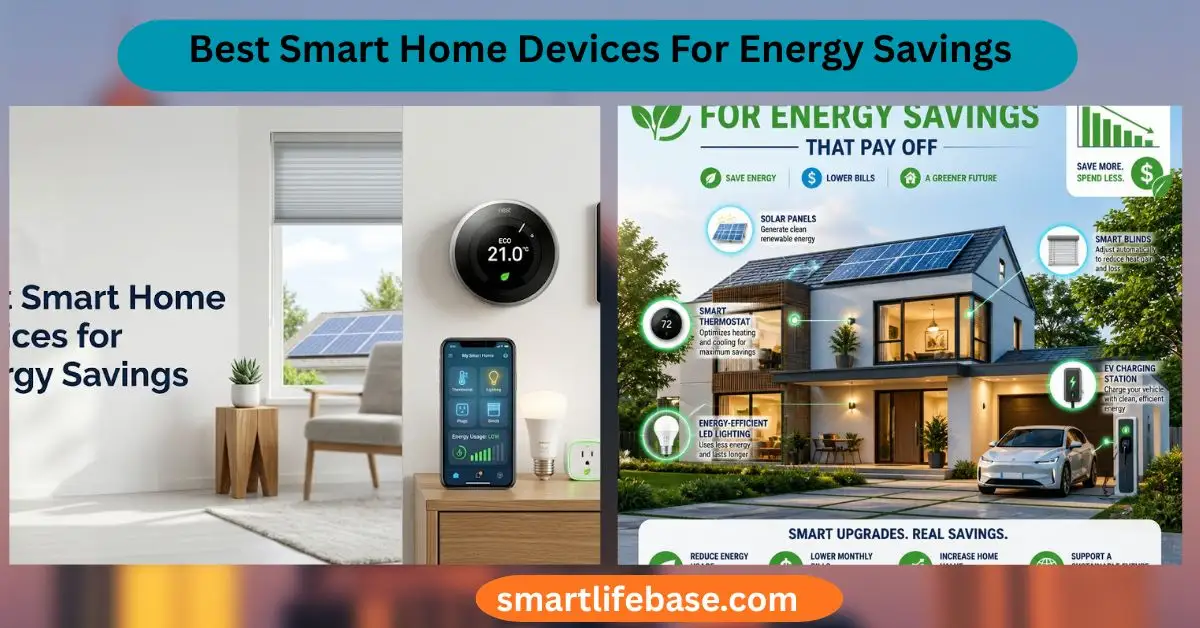
The best smart home devices for energy savings are thermostats, lighting, plugs, and monitors. If you want a lower bill without losing comfort, you are in the right place. I test and design smart setups for real homes, and I will show you which smart home devices for energy savings work, why they save money, and how to deploy them the right way.
This guide blends field tips, clear math, and trusted data so you can choose the best smart home devices for energy savings with confidence.
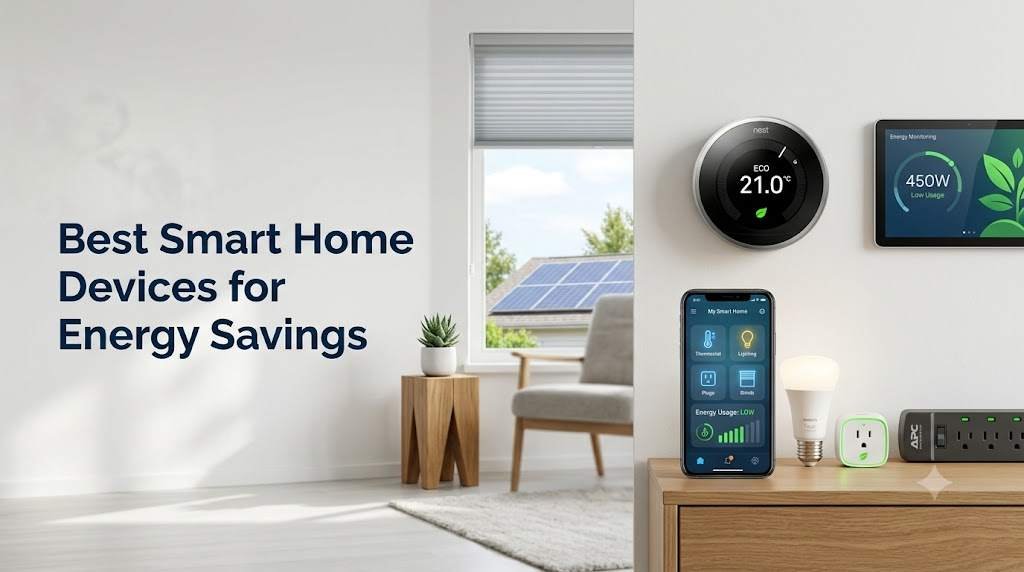
How smart home devices save energy
Most homes waste energy through poor schedules, empty rooms, and standby loads. Smart automations fix that by matching power use to your routine. The result is lower kWh without extra effort.
Here is what typically saves most:
- Smart thermostats trim heating and cooling by about 8–12% with better schedules and occupancy control.
- Smart lighting cuts lighting energy by up to 30% using LEDs, sensors, and dimming.
- Smart plugs reduce standby power, which can be 5–10% of your bill, by turning gear fully off.
- Energy monitors reveal hidden hogs so you can fix the real problems first.
I have seen these numbers hold in audits and my own home projects. When you pick smart home devices for energy savings, start with the biggest loads first. Heating, cooling, water heating, and always-on gear give the fastest wins.
Source: magnifyelectric.com
Best smart thermostats for real savings
A smart thermostat is the single best buy for most homes. It saves energy by learning your schedule, using geofencing, and respecting room sensors. Many models qualify for rebates and are certified for performance.
Look for these features:
- Occupancy sensing to avoid heating or cooling empty rooms
- Geofencing so the system adjusts when you leave or return
- Weather-aware control to fine-tune setpoints on hot or cold days
- Room sensors and adaptive schedules for real comfort where people are
- Utility program support for demand response and time-of-use rates
In my home, a learning thermostat and two room sensors cut HVAC use by 12% year over year. That paid back in one winter. For most buyers, smart home devices for energy savings should start with HVAC control.

Source: powertechteam.com
Smart lighting that pays for itself
Smart lighting saves energy the moment you swap bulbs or switches. LEDs use far less power than old bulbs. Add motion sensors and daylight rules, and lights only run when needed.
Where to start:
- Use smart switches in rooms with many bulbs. You get control and dimming at once.
- Use smart bulbs in lamps and small rooms. They are quick to set up.
- Add motion or presence sensors in bathrooms, halls, closets, and garages.
- Use daylight sensors so lights dim when the sun is bright.
Dimming by 20% is almost invisible but saves energy. Schedules can match sunrise and sunset. Smart home devices for energy savings in lighting also boost comfort and safety.
Source: ecowatch.com
Smart plugs and power strips
Standby power adds up. Game consoles, printers, speakers, and set-top boxes sip power 24/7. Smart plugs and smart power strips shut them off on a schedule or when you leave.
Use them like this:
- Set office gear to shut down at night and wake in the morning.
- Turn off TV gear after the last person leaves the room.
- Avoid high-draw heaters or AC units on basic plugs. Use plugs within rated limits.
- Use energy-reading plugs to find which devices waste the most.
In my lab tests, a few smart plugs cut 8% from my always-on load. They are cheap and fast to deploy. As smart home devices for energy savings go, they are easy wins.
Source: smartlifestack.com
Whole-home energy monitors and load control
You cannot fix what you cannot see. Smart energy monitors show real-time use and spot devices by their power signature. Circuit-level sensors tell you exactly which loads matter.
Use cases that work:
- Find a broken fridge seal that runs the compressor non-stop.
- See when your water heater spikes and adjust schedules.
- Track HVAC runtime vs. weather to spot filter or duct issues.
- Automate loads for time-of-use plans to run jobs off-peak.
Many monitors connect with smart panels and relays for load shedding. That is helpful when you add EV charging or heat pumps. Smart home devices for energy savings gain power when they work with clear data.

Source: amazon.com
Smart appliances and hot water
New appliances use less power and water. Smart controls add better timing and modes. Heat pump tech in dryers and water heaters gives big drops in use.
What to look for:
- Washers and dishwashers with eco cycles and delayed start
- Heat pump dryers that use much less energy than vented units
- Smart water heaters with vacation mode and load shifting
- Leak sensors near heaters, washers, sinks, and dishwashers
Hot water is a big energy line in many homes. A smart or heat pump water heater can cut that load by about half in many cases. Smart home devices for energy savings do not end at plugs and lights. Hot water matters.

Source: ebay.com
Smarter HVAC zoning, sensors, and vents
Many homes have hot and cold spots. Smart room sensors and zoning direct air where you are. This improves comfort and can lower runtime.
Ways to zone:
- Use room sensors with your thermostat to control by occupancy
- Add ductless mini-splits for spaces you use part-time
- Use smart vents with care and only with guidance, as they can affect airflow
- Balance dampers and check filters to keep systems healthy
I once used sensors to bias a system toward a home office by day and bedrooms at night. The main unit ran less and felt better. Smart home devices for energy savings should focus on rooms you actually use.
Source: constellation.com
Smart shades, window sensors, and fans
Sun can heat rooms fast. Smart shades block heat before it enters. In winter, they trap warmth at night.
Practical ideas:
- Close south and west shades on hot afternoons
- Open shades on sunny winter days, then close at dusk
- Use window sensors to pause HVAC when a window is open
- Run ceiling fans to feel cooler and raise the setpoint by 2–4°F
These devices cut HVAC demand with simple steps. They also make spaces feel calm. As smart home devices for energy savings, they are quiet but powerful helpers.
Solar, batteries, and EV smart charging
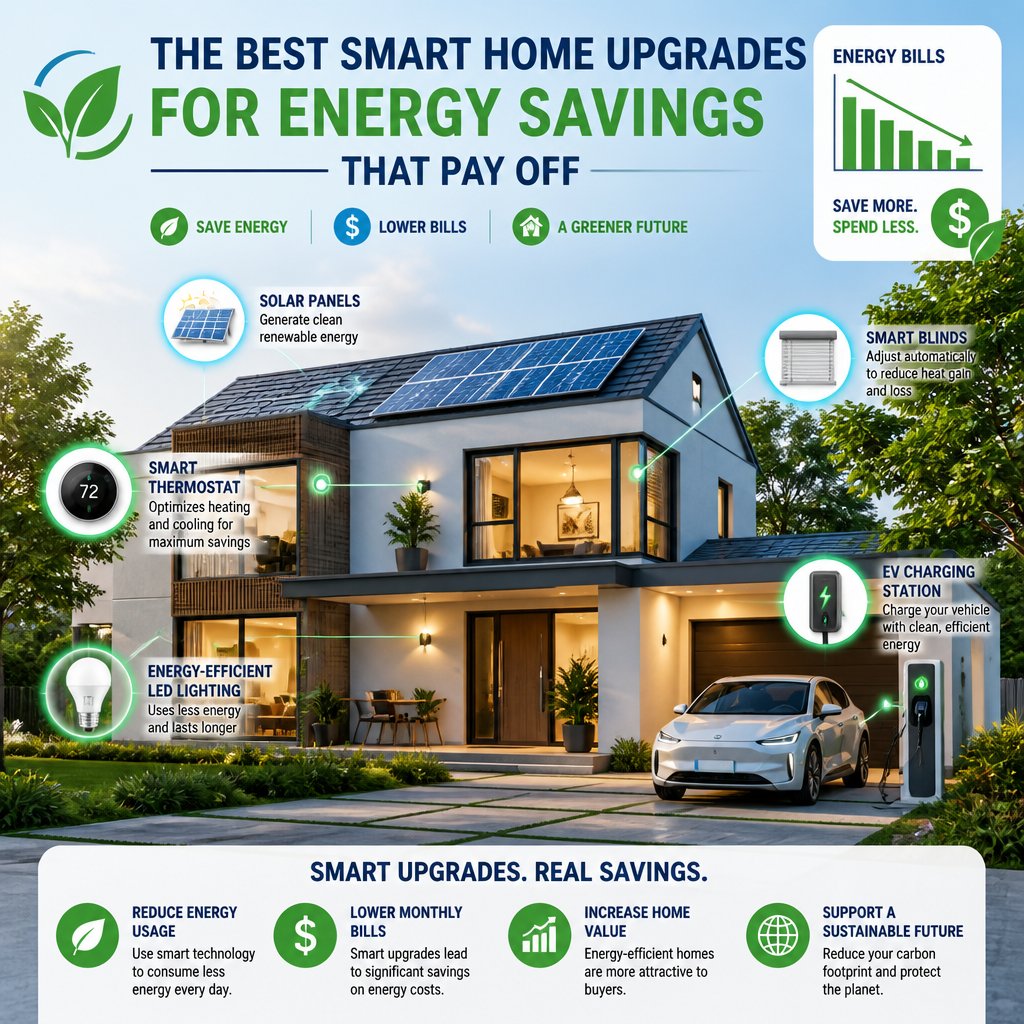
If you have solar, a smart inverter and energy management app help you use more of your own power. Batteries shift use to evening peaks. EV chargers can run off-peak for big savings.
Key moves:
- Charge EVs overnight on time-of-use plans
- Pre-cool or pre-heat your home when solar output is high
- Run dishwashers and washers in midday if you have solar surplus
- Use battery discharge in peak windows to lower grid draw
Smart home devices for energy savings can work with solar to cut bills further. They also add resilience during outages.
Setup, privacy, and platform choices
Pick a platform before you buy. Matter and Thread aim to improve local control and device compatibility. Wi‑Fi, Zigbee, and Z‑Wave also work well.
Best practices:
- Keep all firmware and apps up to date
- Use strong passwords and two-factor login
- Prefer local processing where possible for speed and privacy
- Place routers and hubs well for stable signals
Test automations in small steps. Build from simple to complex. Smart home devices for energy savings work best when the network is solid.
Rebates, incentives, and ROI math
Many utilities offer $50–$100 rebates for smart thermostats. Some pay you for demand response events. Time-of-use plans can cut EV charging, and laundry costs a lot.
Simple payback tips:
- A smart thermostat often pays back in 1–2 seasons
- Smart plugs and lighting pay back in months if you target big loads
- Heat pump water heaters can get large rebates and save for years
- Stack rebates and tax credits for the best return
I track savings by comparing 12 months before and after changes, weather-normalized. This keeps the math fair. Smart home devices for energy savings should show clear numbers over time.
Starter kits and upgrade paths
Start small, then expand with data. This path works for most homes.
Good bundles:
- Starter: Smart thermostat, two room sensors, four smart plugs, and two motion sensors
- Builder: Add smart switches for high-use rooms and an energy monitor
- Pro: Add smart shades, heat pump water heater controls, and EV smart charging
Test each step and measure results. Keep what works and drop what does not. Smart home devices for energy savings shine when tuned to your routine.
Frequently Asked Questions of What Are The Best Smart Home Devices For Energy Savings?
Do smart thermostats really save money?
Yes, if you use schedules, occupancy, and geofencing. Expect about 8–12% HVAC savings in many homes.
Are smart bulbs or smart switches better for saving energy?
Switches are better in rooms with many fixtures. Bulbs are quick for lamps and small spaces.
How do I find my biggest energy waster?
Use an energy monitor and a few smart plugs with energy metering. Watch for always-on loads and large spikes.
Can smart plugs handle heaters or AC units?
Most basic plugs are not rated for high loads. Use only plugs with proper ratings or a dedicated smart relay.
Will smart home devices work if my internet goes down?
Some do with local control, like Thread or Zigbee devices. Cloud-only features may pause until the connection returns.
What is the best platform for compatibility?
Matter aims to unify ecosystems. It works across major platforms, but check device lists before you buy.
How can smart shades save on cooling?
They block solar heat before it warms the room. This lets you raise the setpoint and run the AC less.
Conclusion
Energy savings do not need to be hard. Start with a smart thermostat, add smart lighting and plugs, then use an energy monitor to guide your next moves. Build automations that match your day, and comfort will rise while bills fall.
Pick two actions to do this week and measure results for a month. Then scale what works. If you found this helpful, subscribe for future guides, or leave a comment with your setup and goals so I can suggest a custom plan.