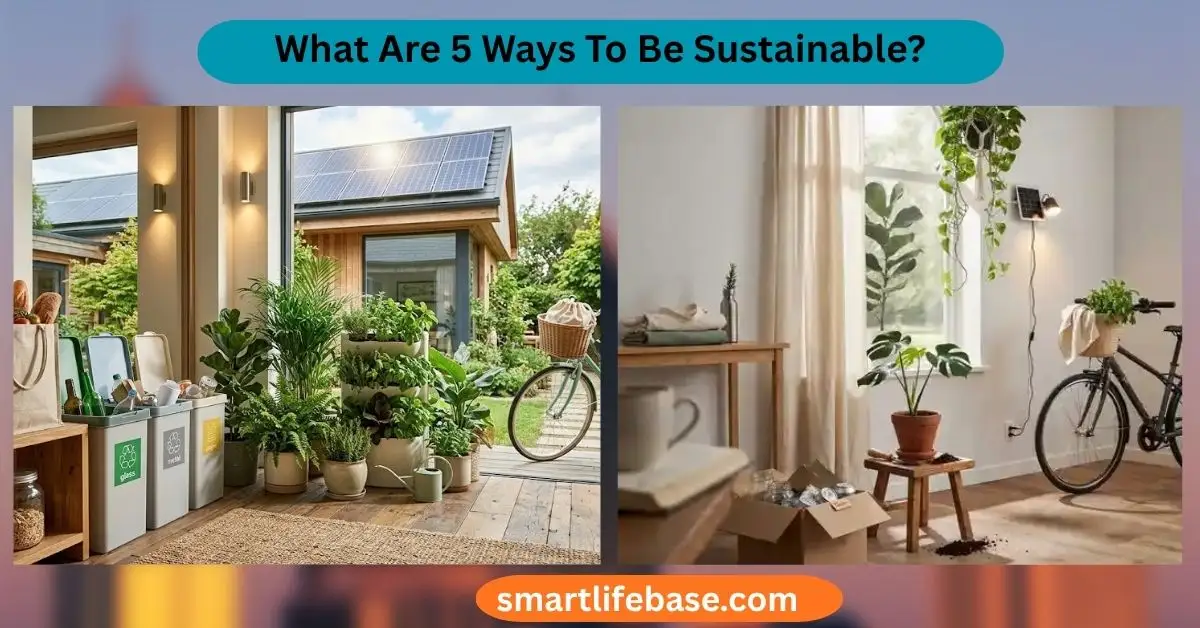
What Are 5 Ways To Be Sustainable? Learn five easy, proven tips to cut waste, save money, and live greener at home and on the go. Start today. Adopt energy-saving habits, travel smart, eat greener, buy mindfully, and conserve water.
If you have asked, What Are 5 Ways To Be Sustainable?, you are in the right place. I help households and teams turn climate goals into simple daily wins. This guide breaks down What Are 5 Ways To Be Sustainable? into clear steps, backed by research and real-life practice. You will find practical tips, honest trade-offs, and easy ways to start today.
Understanding sustainability and why it matters
Sustainability means meeting today’s needs without hurting the future. It blends environmental care, social well-being, and economic sense. When we act with this balance in mind, we cut waste, save money, and build stronger communities.
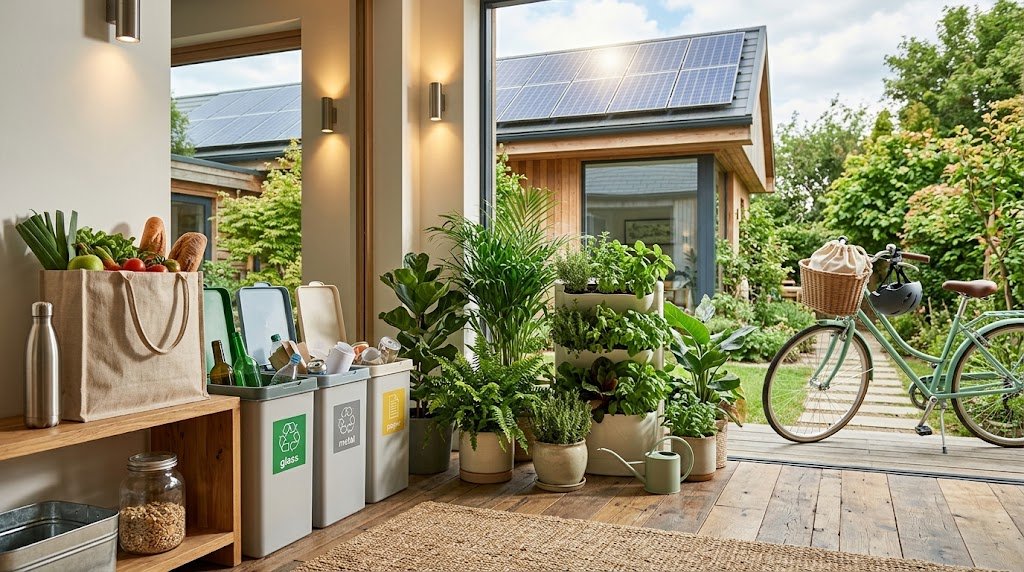
Many footprint studies point to five big daily levers. Energy, transport, food, shopping, and water shape most of a home’s impact. We will define What Are 5 Ways To Be Sustainable? in practical terms and show how to fit them into a busy life.

Source: posna.org
1) Reduce energy use at home and work
Cutting energy use is often the fastest way to lower emissions and bills. Start with what pays back soon. LED bulbs use about 75% less energy than older bulbs and last longer. Smart power strips stop electronics from sipping power when off. A smart thermostat can trim heating and cooling without losing comfort.
Seal air leaks and add insulation where it is thin. Doors, windows, attics, and basements are common weak points. Heat pumps can be two to three times more efficient than electric resistance heat. They also cool in summer if you can; choose renewable electricity or rooftop solar to clean the rest.
In my own home, swapping 28 bulbs cut my bill by about 12%. A smart strip in the media area helped even more. The first answer to What Are 5 Ways To Be Sustainable? is to cut energy use where it pays back fast.
Practical checklist:
- Replace old bulbs with ENERGY STAR LEDs in high-use rooms first.
- Set thermostat setbacks for sleep and when away.
- Weatherstrip doors and windows; add attic insulation if thin.
- Use cold water for laundry and hang-dry when possible.
- Unplug chargers and use smart strips on TVs and gaming gear.
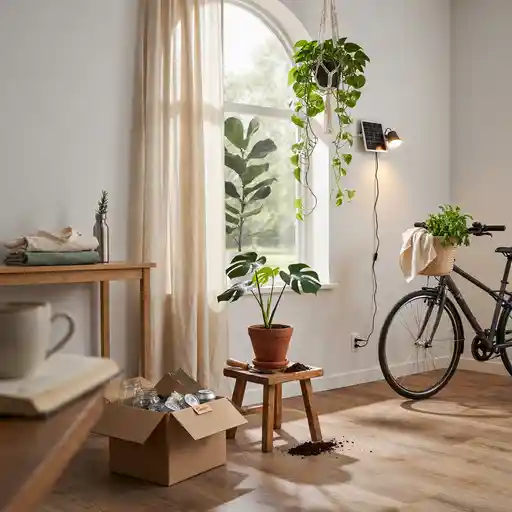
2) Choose low-impact transport
Transport can be a large part of a personal footprint. Small changes help. Walk or bike for short trips. Use public transit when it fits your route. Carpool with coworkers. If you drive, keep tires inflated and avoid hard starts. These steps save fuel and stress.
If you can switch cars, consider an EV or a plug-in hybrid. On many power grids, EVs cut tailpipe emissions by half or more. Plan trips to avoid empty miles. Reduce flights when you can, and bundle meetings. Another core part of What Are 5 Ways To Be Sustainable? is low-impact transport that still meets your needs.
From my experience, moving near a bus line changed my routine. I now skip two car trips a week. The time on the bus doubles as reading time. The change felt easy once I tried it.
Quick wins:
- Replace one weekly car errand with a walking loop.
- Try transit for a known route once a week.
- Keep a bike ready with lights and a lock.
- Drive steady, use cruise control, and combine errands.
- For trips, compare train vs. plane when time allows.
3) Eat a climate-smart diet and cut food waste
Food choices and food waste drive a big part of household impact. Plant-rich meals tend to have a lower footprint than beef-heavy menus. Poultry, legumes, tofu, grains, and seasonal produce are strong picks. Choose sustainable seafood and enjoy dairy in smaller portions. Frozen fruits and veggies keep well and cut spoilage.
Plan meals and shop with a list. Store food so it lasts longer. Use a clear “eat first” bin in the fridge. Compost scraps if you can. Studies show households often waste 20 to 30% of food. Cutting that in half saves money and emissions. Food choices sit at the heart of What Are 5 Ways To Be Sustainable?.
I started a Sunday prep and an “eat first” bin. My food waste dropped by about a third. It also made weeknight dinners faster. The change stuck because it saved time and cash.
Try this:
- Plan three anchor meals and buy for those first.
- Use the freezer for leftovers and bread.
- Learn simple storage tips for greens and herbs.
- Swap one red-meat meal each week with a plant-based dish.
- Compost or join a local food-scrap program.
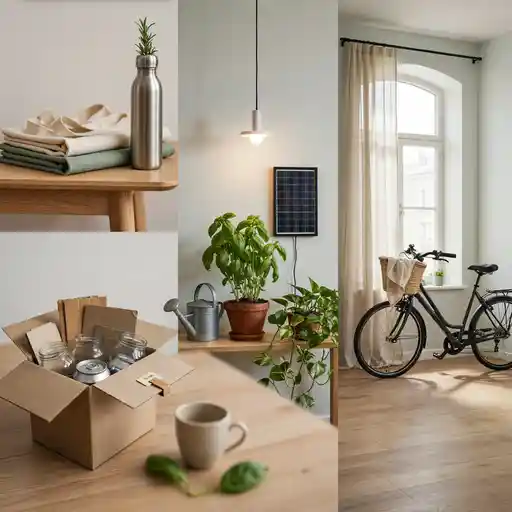
4) Buy less, choose better, and extend product life
The greenest item is the one you do not buy. Pause before purchases. Can you borrow, rent, or buy used? When you must buy, pick quality that lasts. Prefer repairable designs and durable materials. Avoid excess packaging. Circular choices cut waste and save money over time.
Care and repair make a big difference. Maintain tools and appliances. Mend clothes. Resole shoes. Refill containers. Smarter shopping rounds out What Are 5 Ways To Be Sustainable? at home and helps build a circular economy.
A small win for me was fixing my coffee grinder with a five-dollar part. It took 15 minutes and kept a good tool in service. These tiny repairs add up over a year.
Action ideas:
- Use a 30-day list for non-essentials to curb impulse buys.
- Check local buy-nothing or tool library groups.
- Choose items with spare parts and clear repair guides.
- Prefer bulk bins and refill stores for staples.
- Donate or sell what you no longer use.
5) Conserve water and green your home and yard
Water use links to energy and local ecosystems. Install low-flow showerheads and faucet aerators. They often cut water use by 20 to 40% with little change in feel. Fix leaks fast. Toilets and irrigation are common culprits. In the yard, choose native plants and mulch to hold moisture. Water in the early morning.
Consider a rain barrel or a simple drip system. Sweep driveways instead of hosing them down. Healthy soil acts like a sponge and stores carbon. Water care also features in What Are 5 Ways To Be Sustainable? lists and brings quick savings on bills.
I swapped a thirsty lawn edge for native perennials. Summer watering fell by about 40% on that side of the yard. The beds also draw more pollinators, which makes the space feel alive.
Steps to try:
- Install WaterSense showerheads and faucet aerators.
- Set toilet tanks to the right fill level and fix leaks.
- Convert part of the lawn to native ground covers.
- Mulch beds and raise mower height to shade soil.
- Add a rain barrel where downspouts allow.
Measure, plan, and build habits for lasting change
What gets measured gets managed. Use a simple home energy or carbon calculator. Track one or two key numbers, like kWh or miles driven. Set a small goal for the next quarter and review progress. Build routines that fit your life, not someone else’s.
Make it social. Share goals with a friend or a neighbor group. Ask your workplace to support bike parking or telework. Tracking progress supports What Are 5 Ways To Be Sustainable? over time and keeps motivation strong.
Habit tips:
- Tie new actions to existing routines, like lights off with door checks.
- Use reminders until the habit sticks.
- Celebrate small wins and reset when you miss.
- Reinvest savings into the next upgrade.
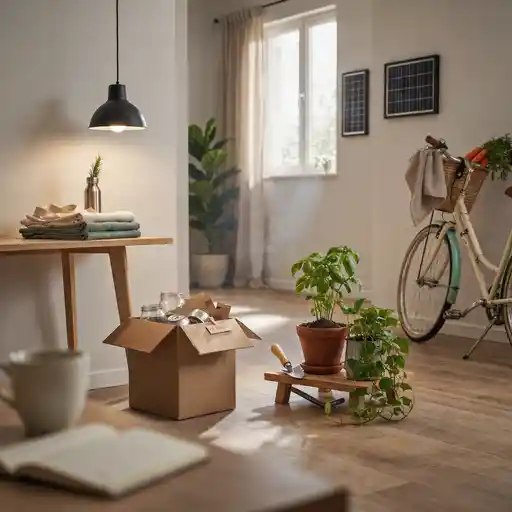
Common barriers and how to overcome them
Upfront cost can be a hurdle. Start with no-cost steps, then low-cost items. Many utilities offer rebates for LEDs, heat pumps, and insulation. Landlord issues are common. Ask for simple upgrades, like weatherstripping or a smart thermostat. Offer to share the cost if it halves your bills.
Time and convenience matter. Batch tasks and use checklists. Try one change per week. Keep tools and supplies handy. Cost concerns often block What Are 5 Ways To Be Sustainable, but solutions exist, and support is growing in many cities.
Mindset helps too. Focus on progress, not perfection. Pick the highest-impact step you can take this month. Then build from there.
Frequently Asked Questions: What Are 5 Ways To Be Sustainable?
What are 5 Ways To Be Sustainable in simple terms?
Save energy, travel smarter, eat plant-rich, waste less, buy less but better, and conserve water. These steps cover most daily impact.
Which change gives the biggest win first?
Energy savings often pay back fast and show on your bill. LEDs, smart thermostats, and sealing drafts are great starters.
Do I need to go fully vegan to help?
No. Shifting some meals to plant-rich options can cut food emissions a lot. Start with one or two meals a week.
Are electric cars always greener?
They are cleaner on most power grids, often by half or more. Results vary by your local grid and driving habits.
How can renters practice the 5 Ways To Be Sustainable??
Focus on plug-and-play fixes like LEDs, smart strips, and low-flow fixtures. Choose transit, reduce waste, and talk to your landlord about simple upgrades.
How do I avoid greenwashing when I shop?
Look for trusted certifications and clear repair info. Favor durable goods, simple materials, and transparent supply details.
What if I am on a tight budget?
Start with no-cost habits and small swaps. Use rebates and community programs to lower the cost of bigger upgrades.
Conclusion
Sustainability thrives on small, steady moves. You now know What Are 5 Ways To Be Sustainable and how to use them: save energy, move smarter, eat greener, buy with care, and protect water. Each step builds comfort, health, and savings at home.
Pick one action this week and make it stick. Then add the next. Share your progress, ask questions, and tell me what worked for you.
Subscribe for more hands-on guides and join the conversation in the comments.