
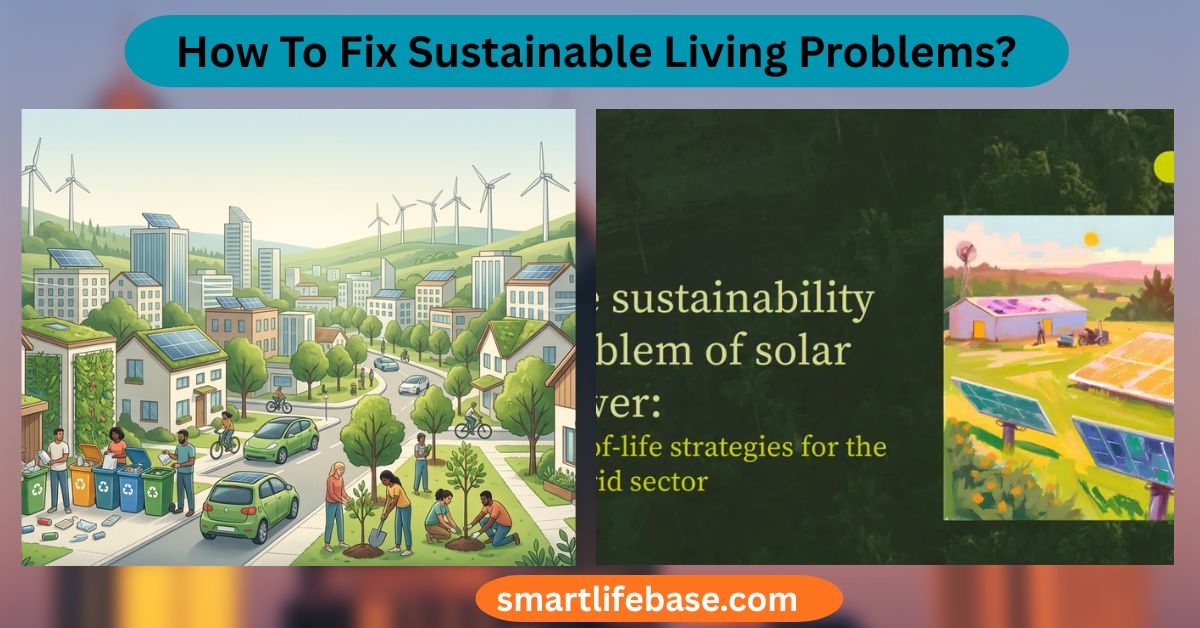
How To Fix Sustainable Living Problems? Discover practical solutions, eco-friendly habits, renewable energy tips, and smart lifestyle changes to overcome sustainable living challenges in 2026. Learn how to reduce waste, save energy, cut costs, and build a greener future with this complete guide. Fix sustainable living problems by setting goals, tackling high-impact actions, and tracking results.
You want real fixes, not vague tips. In this guide, I explain How To Fix Sustainable Living Problems with a clear method, tested tools, and practical examples from homes, renters, and small businesses. I combine experience with current research so you can act with confidence today and see progress fast.

What Are Sustainable Living Problems? Definitions and Root Causes
Sustainable living means using less energy, water, and materials while keeping a good quality of life. The problems show up in daily choices. Power bills are high. Waste piles up. Commutes are long. Food and housing feel costly. It can also feel hard to start.
If you ask, How To Fix Sustainable Living Problems?, begin by mapping the system. Problems often come from design, not willpower. Homes leak heat. Cities favor cars. Prices hide true costs. Information is complex and mixed.
Common drivers to note:
- Convenience bias. We default to easy habits, even when they waste.
- Split incentives. Renters pay energy bills, but landlords choose appliances.
- Up-front costs. Some upgrades save money later but need cash now.
- Rebound effects. Savings in one area lead to more use in another.
- Misinformation. Labels and ads can mislead or overpromise.
Knowing the root cause makes the fix clear and faster.

A Simple Framework: How To Fix Sustainable Living Problems? Step by Step
You can solve most issues with a repeatable loop. This is how I guide clients and use it at home.
- Set a concrete goal
- Pick one metric first. Examples: cut home energy 25% in 12 months; halve trash by 8 weeks; shift 60% of miles to low-carbon modes in 6 months.
- Get a baseline
- Pull the last 12 months of bills. Track kWh, therms, gallons, miles, and waste by weight or volume. A simple spreadsheet works.
- Find high-impact levers
- In most homes: space heating and cooling, hot water, driving, and food waste. Target the top two first. This is central to How To Fix Sustainable Living Problems?.
- Design the habit and the system
- Pair one-time upgrades with daily cues. Use smart plugs, default settings, and calendar reminders. Make the green default the easy default.
- Invest where payback is clear
- LEDs, weather sealing, a smart thermostat, and efficient showerheads give quick, low-cost wins. Plan for heat pumps, induction, and insulation.
- Track and tweak
- Review monthly. Compared to the same month last year. Celebrate wins. Fix backslides with a small change.
- Scale impact
- Share results with family, neighbors, or at work. Ask for rebates. Join community programs. This is the compounding step in How To Fix Sustainable Living Problems?.
Is it worth focusing on the biggest energy users first?
Yes. Heating, cooling, hot water, and driving make up most household emissions. Fixing these first cuts costs and carbon fast.
Should I measure before I change anything?
Yes. Baselines reveal the real cause and size of the problem. They also help you see progress, which keeps you going.
How do I keep habits from fading?
Make it easy, obvious, and rewarding. Use defaults, automatic schedules, and small public commitments to lock in change.

Energy Use at Home: Quick Wins and Long Plays
Energy work is often the fastest path for How to Fix Sustainable Living Problems?. Start simple, then plan for deeper retrofits.
Quick wins you can do in a weekend:
- Swap LEDs in high-use fixtures. They cut lighting use by up to 80%.
- Install a smart thermostat. Set back 7–10°F at night or when away.
- Seal air leaks. Use weatherstripping on doors and foam on gaps.
- Use advanced power strips. Kill standby loads on TVs and gear.
- Clean filters and coils. HVAC and fridges run better when clean.
Longer plays with bigger gains:
- Heat pump for space heating and cooling. It can halve energy in many homes.
- Heat pump water heater. Often a top-3 upgrade for bills and emissions.
- Induction cooktop. Fast, safe, and clean indoor air.
- Insulation and air sealing. Start with the attic and rim joists.
- Rooftop solar or community solar. Match with time-of-use rates if offered.
Tips from the field:
- Run the dishwasher and laundry full. Use cold cycles when possible.
- Shift heavy loads to off-peak hours on time-of-use plans.
- Ask for a free or low-cost home energy audit from your utility.
Independent studies show these steps lower bills and emissions in most climates. They also make homes more comfortable and quiet.
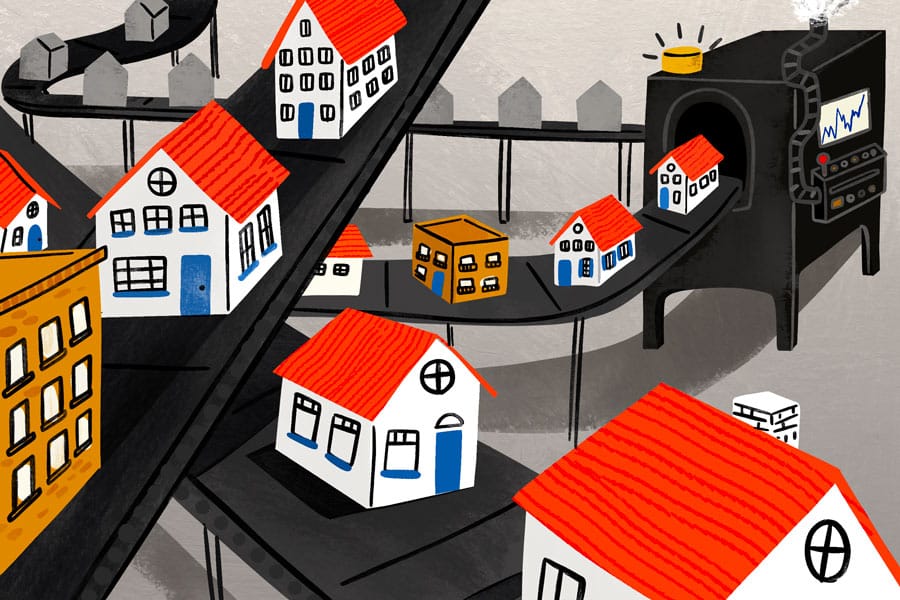
Water, Waste, and Circular Habits
Water and materials tie into energy and climate. Pumps, heaters, and trucks use power. Fixing them supports the same goal: How To Fix Sustainable Living Problems?.
Keep water simple and effective:
- Fix leaks. A dripping faucet can waste gallons a day.
- Install low-flow fixtures. Modern models keep comfort high.
- Heat water smart. Lower the setpoint within safe limits.
Cut waste with a circular mindset:
- Reduce first. Buy less and choose durable goods.
- Reuse with intent. Bottles, bags, and containers save money and trash.
- Recycle right. Learn local rules to avoid contamination.
- Compost food scraps. It turns waste into soil and cuts methane.
- Repair before replacing. Join a local repair cafe if you can.
One routine I teach is the Sunday reset. Check the fridge, plan meals, and freeze extras. This kills food waste, which is a hidden cost and a big emitter worldwide.

Food and Consumption Choices That Matter Most
Food systems produce a large share of global emissions. Diet shifts and waste cuts deliver big results for How To Fix Sustainable Living Problems?.
High-impact steps:
- Eat more plant-forward meals. Even a few days a week makes a clear dent.
- Choose poultry, eggs, or legumes more often than beef or lamb.
- Plan meals and shop with a list. Use what you buy.
- Buy seasonal and local when it cuts long-haul shipping and spoilage.
- Pick verified sustainable seafood.
- Grow herbs or greens at home. Small beds give steady wins.
Practical tips:
- Store food well. Use clear bins and labels.
- Batch-cook and freeze. Save time, money, and stress on busy days.
- Track waste for one month. Target the top two causes you find.
I switched our home to induction and a plant-forward plan. We kept our favorite dishes and swapped proteins or sauces. It felt normal within two weeks and cut costs.

Housing and Transport: Where Big Cuts Hide
Where you live and how you move often explain most of your footprint. That is why any answer to How to Fix Sustainable Living Problems? must cover homes and travel.
Transport fixes with fast payoff:
- Replace short car trips with an e-bike or walking.
- Use transit for commute days when it fits your route.
- Carpool or try car-share for rare needs.
- Keep tires at the right pressure and drive smoothly.
- Plan errands to chain trips and avoid backtracking.
Housing choices and upgrades:
- Choose location efficiency when you can. Shorter commutes beat many offsets.
- Do a blower-door test and air sealing. It is the base for all other upgrades.
- Install window treatments or upgrade panes in cold or hot zones.
- Consider an EV when your old car is near the end of its life.
- For renters, use plug-in fixes: window inserts, thermal curtains, and smart strips.
I moved half my local trips to an e-bike. It was faster in traffic and more fun. The change stuck because it saved time.

Behavior Change That Sticks
Tech helps, but behavior locks in gains. The human side is key to How To Fix Sustainable Living Problems?.
Use simple behavioral tools:
- Defaults. Set devices to efficient modes at install.
- Prompts. Put a reminder near the action, like a note on the washer.
- Social proof. Share progress with family or friends.
- Commitment. Write a public goal and post monthly results.
- Immediate rewards. Tie a treat to each milestone.
Common lesson from clients and my own home:
- Make the green path the easy path. Put reusables by the door. Keep bike gear ready. Pre-set thermostats. Remove friction where you can.
Mistake to avoid:
- Changing ten things at once. Start with one habit and one upgrade. Add more after a win.

Source: clear.co
Policy, Community, and Work: Scale Your Impact
Personal choices matter. Policy and community choices multiply them. To master How To Fix Sustainable Living Problems?, tie your actions to bigger levers.
Community and policy moves:
- Claim rebates and tax credits. They change payback math.
- Join a community solar or a green power program.
- Ask your workplace to switch to efficient lighting and smart HVAC.
- Support safer bike lanes and better transit in your city.
- Vote for building codes and standards that cut waste.
Evidence shows standards and incentives drive market shifts fast. Your voice, data, and examples help leaders act with less risk.
Tools, Metrics, and Tracking: Make Results Visible
What gets measured gets managed. Tracking is the backbone of How To Fix Sustainable Living Problems?.
Useful tools:
- A watt meter or smart plug for appliances.
- A smart thermostat and home energy app.
- A simple kitchen scale for waste audits.
- A trip log app to track miles and modes.
- A shared household dashboard or spreadsheet.
Key metrics to watch:
- kWh and therms per month and per square foot.
- Water gallons per person per day.
- Trash, recycling, and compost by weight or volume.
- Vehicle miles, share by mode, and fuel used.
- CO2e estimates and dollars saved.
Set a monthly review. Compared to last year. Note one fix to test before next month.
Budgeting and Payback: Affordability Without Sacrifice
Money matters. Smart sequencing lowers costs and risk. This is a practical layer in How To Fix Sustainable Living Problems?.
Ways to reduce up-front costs:
- Stack rebates, tax credits, and utility incentives.
- Use on-bill financing or low-interest loans where offered.
- Buy refurbished or used when safe and efficient.
- Bundle projects. Insulation first, then right-size HVAC.
- Time upgrades near equipment end of life.
Typical payback ranges:
- LEDs, sealing, and smart strips. Months.
- Smart thermostats and low-flow fixtures. One to two years.
- Heat pumps, insulation, and induction. Three to ten years, often less, with incentives.
- Solar. Five to ten years, depending on rates and policy.
Always get two to three bids. Ask for lifecycle costs, not just sticker price.
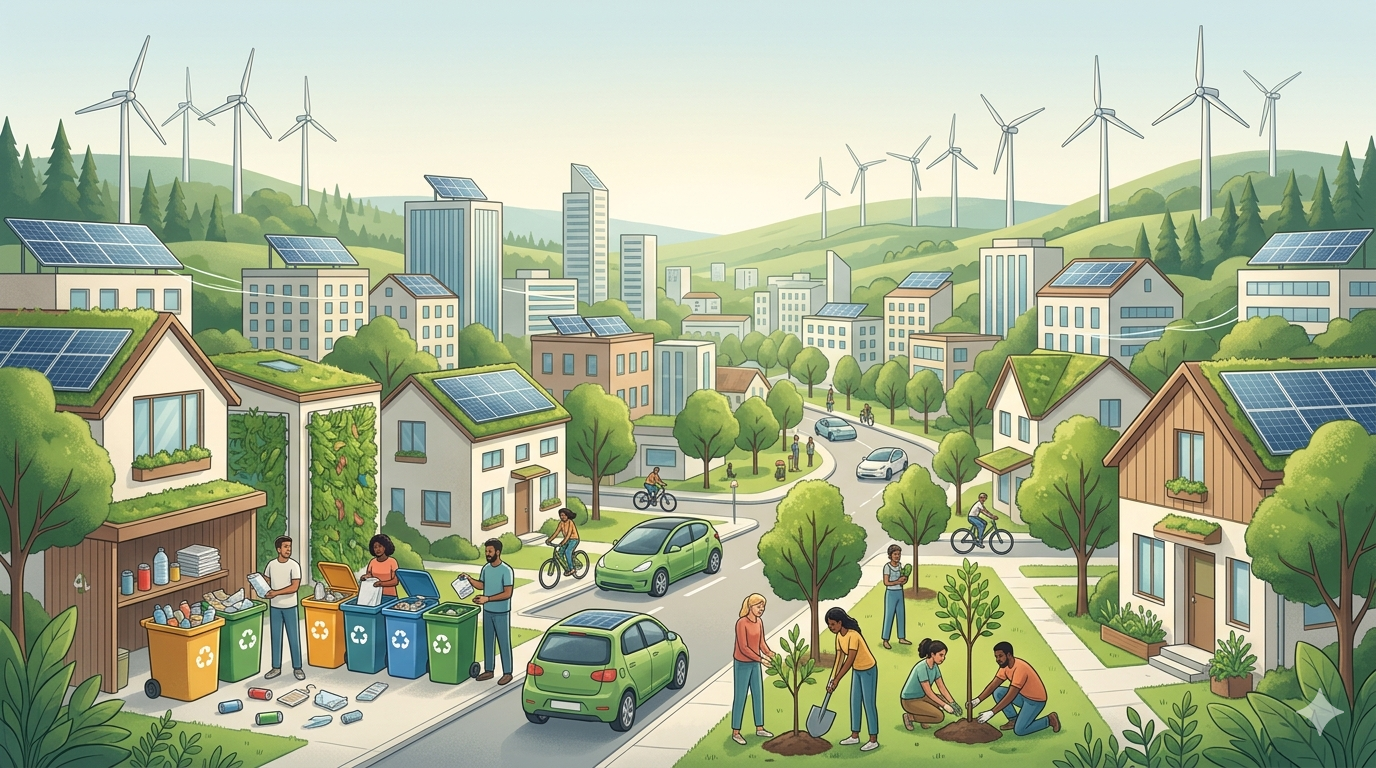
Common Pitfalls When Trying to Fix Sustainable Living Problems
Awareness helps you steer clear. I see the same traps often when people ask, How To Fix Sustainable Living Problems?.
Watch out for:
- Perfectionism. It stalls action. Aim for progress, not perfection.
- Low-impact busywork. Decluttering labels won’t offset a leaky home.
- Rebound. Keep savings by setting caps and budgets.
- Greenwashing. Verify claims with third-party labels and test data.
- One-off challenges. Build habits and defaults instead of sprints.
- Ignoring maintenance. Dirty filters and poor settings erase gains.
Set a quarterly tune-up. Check filters, settings, and usage trends. Keep the wins you earned.
Mini Case Studies: What Worked For Clients and Me
Real stories show how to act. These cases reflect common paths and help answer How To Fix Sustainable Living Problems? with proof.
Family in a 1970s home
- Actions. Air sealing, attic insulation, smart thermostat, LED swap, and a heat pump water heater.
- Results. About 28% lower energy in a year. Comfort improved, and noise dropped.
City renter in a drafty apartment
- Actions. Window inserts, thermal curtains, advanced power strips, a low-flow showerhead, an induction hot plate, and a transit pass.
- Results. Lower bills, less noise, better air, and less time in traffic. The landlord later replaced a failing fridge with an efficient model.
Small retail shop
- Actions. LED lighting redesign, occupancy sensors, HVAC tune-up, and staff routines for open-close.
- Results. Bill dropped by about 22%. Payback under a year. Staff liked the brighter, cooler space.
These are repeatable patterns. The mix may change, but the framework holds.
Frequently Asked Questions on How To Fix Sustainable Living Problems?
What is the first step to start?
Pick one metric and set a goal. A clear target makes your next move easy and measurable.
Are heat pumps worth it in cold climates?
Modern cold-climate units work well in low temperatures. Pair with good sealing and insulation for the best results.
How can renters make a big difference?
Focus on plug-in and portable fixes. Window inserts, smart strips, and induction hot plates offer strong gains without landlord approval.
Is going zero-waste realistic?
Aim for less waste, not zero. Reduce, reuse, and recycle right while tackling food waste first.
How do I avoid greenwashing?
Look for third-party labels and verified test data. Compare lifecycle costs and ask for specs, not slogans.
What about carbon offsets?
Prioritize real cuts at home and work. Use high-quality offsets only for hard-to-avoid travel or emissions.
How often should I track progress?
Monthly is ideal. Compare to last year and plan one improvement before the next check.
Conclusion
Fixing sustainable living problems is a process, not a one-time task. Start with one goal, hit the biggest levers, and lock in habits that last. Use the framework, measure what matters, and scale your wins at home, in your community, and at work.
Take one step today. Pick a metric, choose a quick win, and schedule a review next month. If this guide helped, subscribe for more practical tools, share your progress, or leave a question so we can solve the next challenge together.



3 Comments